Account





What To Look For When Buying Wine
Start exploring

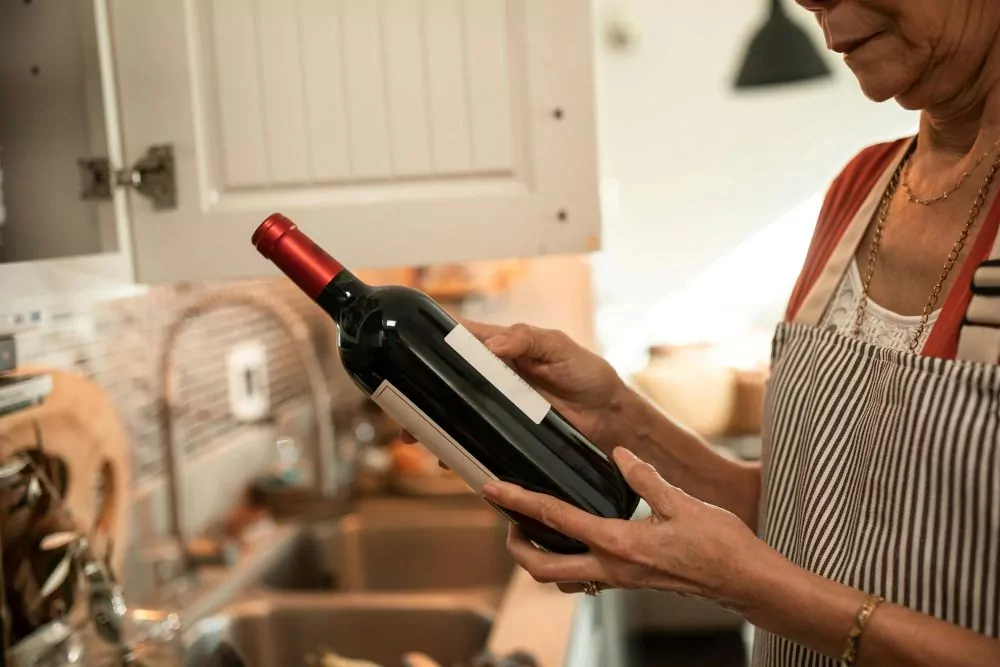
Knowing how to choose a wine makes it easy to find the right bottle for any occasion, a dinner party, a gift, or a quiet evening at home. You don’t need to be a sommelier, but there are a few helpful guidelines to keep in mind.
Perhaps you want a crowd-pleasing wine to share with friends over dinner, a smooth, sweet bottle for someone with a soft spot for dessert, or a full-bodied, jammy red to enjoy with a hearty roast. Knowing how to read a wine label, how region and grape affect flavour, what each dryness level means, and what the vintage tells you will help you pick the right wine every time.
Below is a quick reference table for common preferences, followed by guidance for specific occasions, from parties to milestone gifts, practical tips for navigating a shop or supermarket shelf, and the bigger questions people ask when choosing a wine.
For a closer look at what’s printed on a bottle, our how to read a wine label guide covers that in detail. If you’re newer to wine altogether, our beginner’s guide to wine is a good starting point too.
Jump to a section
- Choosing a wine by style: a quick reference table
- Navigating the wine aisle: a practical guide
- Acid, tannin and body: what they mean
- Cork or screw cap: does it affect quality?
- Does a higher price mean a better wine?
- Choosing wine to match your food
- Choosing a wine to cook with
- Choosing wine for a party, reception or celebration drink
- Choosing a dessert wine
- Choosing wine by season
- Trying something different: unique wines to explore at home
- Choosing wine as a gift or for yourself
- Asking for help in a shop or restaurant
- A simple checklist for choosing wine
- Book a wine tasting
- FAQs
- Sources
Choosing a Wine by Style: A Quick Reference Table
Here’s a starting point for the most common preferences people ask about.
| Looking for… | What it means | What to check on the label | Examples |
|---|---|---|---|
| High acid | A crisp, tangy, mouth-watering sensation | A cool climate region | England, Chablis, Mosel, Sauvignon Blanc, Riesling |
| Low acid | A softer, rounder mouthfeel | A warm climate region | Southern Italy, Spain, California, Viognier |
| High tannin | A drying, gripping feel on the tongue and gums | Thick-skinned red grapes, often oak-aged | Cabernet Sauvignon, Nebbiolo, Syrah |
| Low tannin | A smooth, soft mouthfeel with little grip | Thin-skinned reds, or rosé | Pinot Noir, Gamay, most rosé |
| Full-bodied | A rich, heavy feel in the mouth, like whole milk | Warm climate reds, oak-ageing mentioned, higher ABV | Malbec, Zinfandel, oaked Chardonnay |
| Dry | Little to no perceptible sweetness | Brut (sparkling), Trocken or Sec (still) | Most Champagne, most everyday table wine |
| Sweet | Noticeable sugar and a rounder taste | Doux or Demi-Sec (sparkling), dessert wine regions | Sauternes, Moscato d’Asti |
| Semi-sweet | A touch of sweetness alongside crisp acidity | Extra Dry (sparkling, despite the name), Halbtrocken | Riesling Kabinett |
| A celebration bottle | Extra markers of quality and origin | PDO status, a stated vintage, estate-bottled wording | Vintage Champagne, English Quality Sparkling Wine |
| Good with cheese | Varies widely by cheese style | Depends on the cheese, covered in a dedicated guide | See our wine and cheese guide below |
PDO stands for Protected Designation of Origin, a status confirming a wine was made entirely from grapes grown in a named area, according to GOV.UK. It’s a quick way to verify a wine’s origin, and it’s worth looking for on a celebratory bottle alongside a stated vintage. Our guide on how to read a wine label covers PDO and PGI status in more detail.
For sparkling wine specifically, our guide on how to choose sparkling wine and our breakdown of Brut, Extra Dry and Demi-Sec go into more detail.
Navigating the Wine Aisle: A Practical Guide
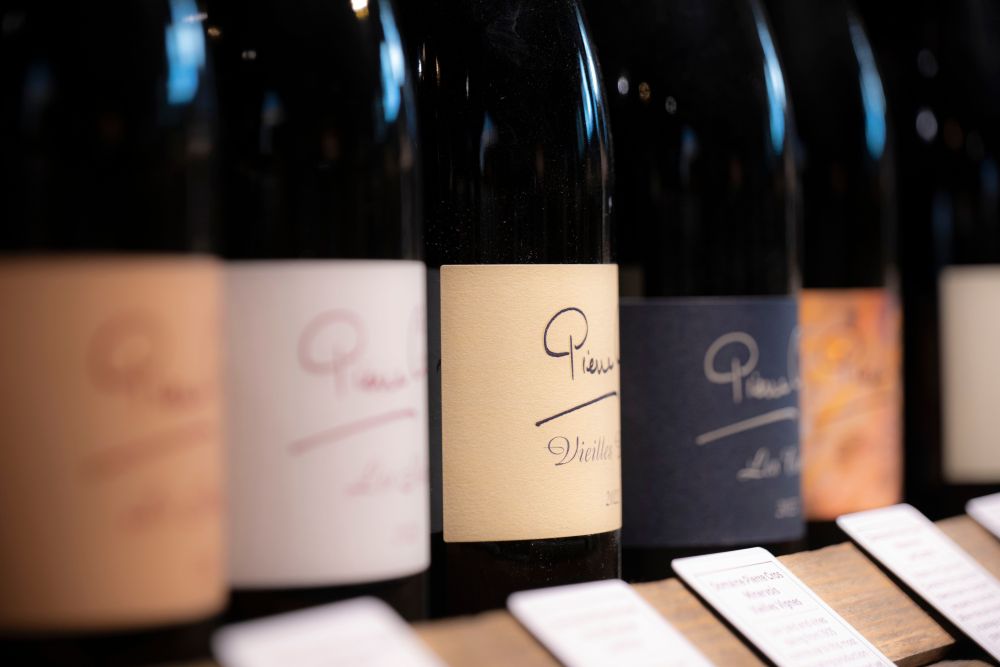
Asking a member of staff, particularly in a wine shop or vineyard shop, will help make choosing a wine easier. But if no one is available to assist you, or if you prefer to navigate the wines on your own, we have some useful tips.
How to choose by country and region
A country or region on the label is mostly a shortcut for climate. France, Germany, and England tend to grow grapes in cooler climates, producing wines with higher acidity and a lighter body. Spain, Australia, and California have warmer climates, producing fuller, riper styles. Once you know a country’s typical climate, you can guess a lot about the wine inside, even before checking the grape.
Old World vs New World
Old World countries such as France and Italy tend to name the place on the label. New World countries such as Australia and Chile tend to name the grape instead. Neither is better, just a different starting point for working out what’s in the bottle.
Using the tools around you
- Shelf talkers and tasting note cards, often clipped to the shelf, usually list body, sweetness, and food-pairing ideas.
- Staff are there to help. Give them a style or a budget you have in mind.
- A quick search of a wine’s name on your phone often brings up reviews and ratings from other buyers.
- The back label is usually more useful than the front, often listing sweetness, food-pairing suggestions, and sometimes a short tasting note.
Acid, Tannin and Body: What They Mean
Once you know which labels to look for, it helps to understand what these words describe.
- Acidity is what makes your mouth water, according to WSET, the wine education body. It gives wine its freshness and prevents it from tasting flat. Cooler regions tend to hold onto more acidity, since the grapes ripen more slowly there.
- Tannin is the drying, slightly bitter feeling on your tongue and gums after a sip of red wine. According to Wine Folly, tannin comes mainly from grape skins, so thick-skinned grapes like Cabernet Sauvignon produce far more tannin than thin-skinned ones like Pinot Noir.
- Body describes how light or heavy a wine feels, similar to comparing skimmed milk with whole milk. A study published in the Australian Journal of Grape and Wine Research found that higher alcohol levels increase a wine’s perceived body and viscosity, which is why riper grapes, warmer climates and higher alcohol all tend to add body.
Jargon buster: Tannin
A natural compound from grape skins, seeds and stems that creates a drying sensation on the tongue and gums. More tannin usually means a wine that can age longer and pairs well with fatty or protein-rich food.
For a wider list of terms, our wine terminology guide for beginners covers more ground.
Cork or Screw Cap: Does It Affect Quality?
Neither closure is a mark of quality on its own. Many excellent wines, including some of the world’s most expensive, are sealed with screw caps.
- Cork is traditional and allows a very small amount of oxygen to reach the wine over time, which some winemakers use to help certain reds age and develop. It carries a small risk of cork taint, a musty fault caused by a compound called TCA. According to Wine Enthusiast, around 3% of natural corks tested show some level of TCA contamination.
- Screw cap seals a wine more consistently and almost eliminates the risk of cork taint. It’s now standard for many New World wines, including plenty of premium bottles meant for both early drinking and ageing.
Cork, however, makes a wine feel more luxurious and special. It’s the traditional choice for formal or celebratory wine, and can appear more premium than a screw cap, particularly if you’re giving a bottle as a gift. Our guide on why cork is used for wine bottles looks at the reasons and benefits of its use.
A screw cap is not a sign of a cheap wine, and a cork is not a guarantee of a better one. Instead, check the label and price for quality signals, as covered throughout this piece.
Does a Higher Price Mean a Better Wine?
Not necessarily, and there’s research to back that up.
A well-known study published in the Journal of Wine Economics looked at more than 6,000 blind tastings. Non-expert drinkers didn’t rate pricier wines any higher once they couldn’t see the label, and on average, rated them very slightly lower. Tasters with formal wine training showed the opposite pattern, rating more expensive wines a little higher.
The takeaway isn’t that price is meaningless. Higher prices often reflect real costs, such as hand-harvesting, oak barrels, lower yields and more time in the cellar. Price alone doesn’t guarantee greater enjoyment, so it’s worth pairing price with the label signals covered in our how to read a wine label guide, such as PDO status, vintage, and estate-bottled wording.
Choosing Wine to Match Your Food
Food and wine pairing sounds complicated, but it comes down to a few practical principles set out by WSET:
- Start with a wine you already enjoy. A “perfect” pairing you dislike isn’t a good match for you personally.
- Salt and fat soften tannin and acidity, which is why a fatty, salty steak works so well with a tannic red like Barolo.
- High-acid wines pair well with acidic or salty foods, such as Champagne or Muscadet with oysters.
- As a rule of thumb, a wine should be at least as sweet as the food it’s served with, or the food can make the wine taste thin and sour.
Cheese is one of the trickiest pairings, since a hard, salty cheese and a soft, creamy one call for entirely different wines. Our guides on hosting your own wine-and-cheese night and wine-and-cheese pairings put these principles into practice. If you’re new to pairing altogether, our beginner’s guide to food and wine pairing is a good place to start.
Choosing a Wine to Cook With
A good rule is to cook with a wine you’d be happy to drink, though there’s no need to spend much on it, according to Fiona Beckett, a food and wine writer quoted in Decanter. Medium-bodied, low-tannin reds such as Merlot or Grenache suit a beef stew or braise, while a crisp, unoaked white such as Picpoul de Pinet or Muscadet, recommended by Beckett writing for Great British Chefs, works well in a white wine sauce or a simple fish dish.
Not all of the alcohol disappears once it hits the pan, either. According to The Drinks Business, a dish simmered for an hour can still retain around 25% of its original alcohol, so it’s worth choosing a wine whose flavour you enjoy, even in small amounts.
Our guide on how to cook with wine covers specific pairings for different dishes.
Choosing Wine for a Party, Reception or Celebration Drink
Canapés and drinks receptions
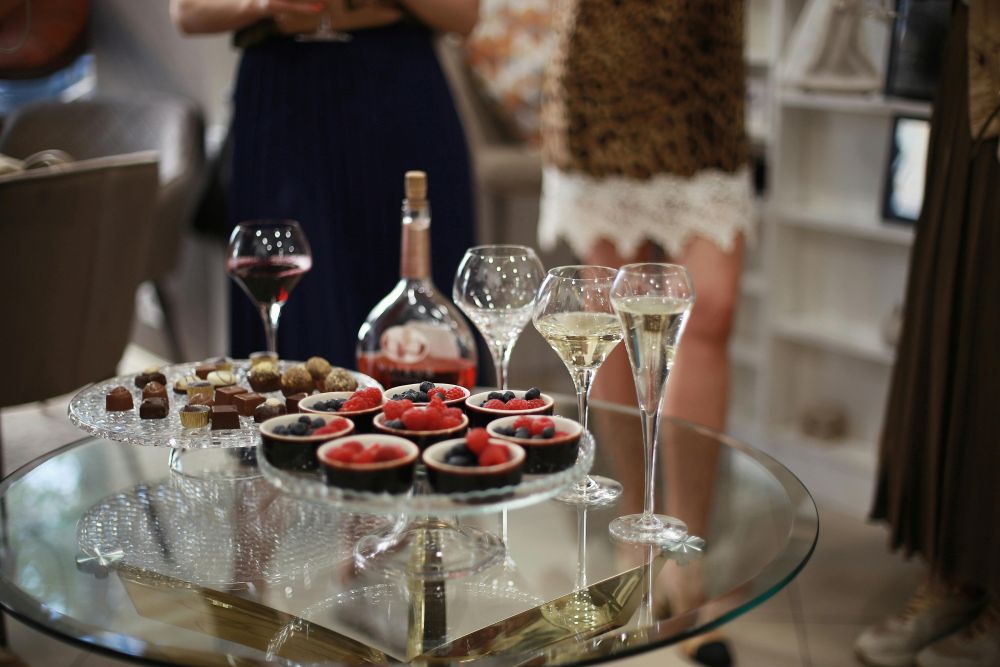
A quality dry sparkling wine is the classic choice for receptions, since its acidity and fine bubbles cleanse the palate between canapés. A Brut style works well across a mixed canapé table, from smoked salmon to cheese straws. You’ll treat your guests to layered, complex, and delicious flavours.
Opt for a well-regarded English sparkling wine or a very good Champagne. Our guide on pairing canapés with sparkling wine has more specific pairing ideas.
Welcome cocktails
Sparkling wine is also the base for simple welcome cocktails such as Buck’s Fizz, Mimosa, Bellini and Kir Royal, made with orange juice, peach purée or a fruit liqueur. These cocktails are a good way to use a simpler, less expensive sparkling wine (an inexpensive prosecco or cava), since the mixer masks the more delicate qualities of a premium bottle, so save your best sparkling wine for drinking on its own.
Choosing a high-quality sparkling wine
For a wine to drink on its own rather than mix, look for markers of quality: a stated vintage, PDO status such as “English Quality Sparkling Wine,” and the traditional method mentioned on the label. Our guide to the traditional method behind the best sparkling wine explains how it shapes flavour and quality. English sparkling wine and Champagne are now often judged side by side by critics, so region alone isn’t a reliable indicator of quality. The right glass matters too, and our guide to sparkling wine glasses covers which shape suits which style.
Choosing a Dessert Wine
Dessert wines are sweeter and more concentrated than table wine and are usually served in smaller glasses.
- Sauternes and other noble “rot wines”: Made from grapes affected by botrytis, a fungus that shrivels the grape and concentrates its sugar, according to Wine Folly. Expect honeyed, marmalade-like flavours.
- Late-harvest wines: Made from grapes left on the vine longer than usual, resulting in a similar sugar concentration without botrytis.
- Ice wine: Made from grapes frozen on the vine, concentrating sugar and acidity, common in Canada and Germany.
- Fortified wines, such as Port or Vermouth, add a spirit during fermentation, giving extra sweetness and strength.
Serve dessert wine chilled, and in a smaller glass than table wine, since its sweetness and intensity mean a little goes a long way. Our wine glasses guide covers the right glass for each style.
Choosing Wine by Season
Spring
Lighter, fresher styles suit the shift toward brighter, warmer weather. Refreshing whites, pale rosés, and easy-drinking reds pair well with spring vegetables like asparagus, peas, and new potatoes. Look for a cooler climate region and a lower ABV as clues to a lighter style. Read our guide to spring food pairings for ideas.
Summer barbecues
Light, high-acid whites and rosés suit warm weather and grilled food. A chilled, fruity red also works well with barbecue, since a light chill balances tannins in the heat. According to WSET, lighter reds are best served lightly chilled, at around 13°C. Our white wine guide and our comparison of English rosé and Provence rosé both cover good warm-weather options.
Autumn
Richer, earthier styles suit the move toward heavier food and cooler evenings. Pinot Noir, Chianti or a barrel-aged white all pair well with game, mushrooms and root vegetables, the produce that tends to dominate this time of year. See our guide to wine pairing on Bonfire Night.
Winter meals
Fuller-bodied reds suit heartier winter food, from a Sunday roast to a stew. Look for warmer-climate regions, higher ABV, and oak ageing on the label as clues to a fuller style. Try our guides to pairing wine with a Christmas meal and for cosy evenings with chocolate.
Trying Something Different: Unique Wines to Explore at Home
If you already know what you like, trying something unusual can be a fun way to expand your palate.
- Jammy, fruit-forward reds: Grapes like Zinfandel and Primitivo, grown in warm climates, produce rich, jammy flavours of stewed dark fruit. Our guide to red wines for beginners is a good starting point.
- Wines from unusual terroir: Grapes grown on volcanic soil, such as Assyrtiko from Santorini, or vines grown on English chalk and clay, can produce distinctive mineral or saline notes not found in warmer, flatter vineyards.
- Lesser-known grape varieties: Stepping outside familiar names like Chardonnay or Cabernet Sauvignon into varieties such as Grüner Veltliner or Nero d’Avola can reveal flavours you won’t find in more mainstream bottles.
- Red sparkling wine: A rarer style that combines the tannin and body of a red wine with the fizz of a traditional method sparkling wine. A Cuvée Noir, for example, works well with richer dishes like game or spiced food that a typical white or rosé fizz might struggle to stand up to.
Choosing Wine as a Gift or for Yourself
By sweetness preference
- Very dry: Look for Brut Nature or Extra Brut (sparkling), or Trocken (German still wine)
- Dry: Look for Brut (sparkling) or Sec (still)
- Sweet: Look for Demi-Sec or Doux (sparkling), or a dessert wine style covered above
If you’re buying for someone else and don’t know their preference, a Brut sparkling wine or a medium-bodied still red is a safe, widely enjoyed choice. Our guide to sending a wine gift covers delivery and presentation options.
For a milestone celebration
For a graduation, birthday or engagement, look for the highest quality markers covered throughout this piece: a stated vintage, PDO status, and the traditional method for sparkling wine, or a single-vineyard or reserve label for still wine. A vintage English sparkling wine or Champagne, or a well-regarded reserve red, makes a fitting milestone gift.
For an easy, crowd-pleasing gift
If you don’t know someone’s taste well, an easy-drinking, medium-bodied wine such as Pinot Noir, Pinot Grigio, Pinot Gris, or Brut sparkling wine is a safe, crowd-pleasing choice for a thank-you gift or a first bottle for a new colleague or neighbour.
Asking for Help in a Shop or Restaurant
You don’t need to know everything before asking for help, and it isn’t a sign of inexperience. According to Decanter:
- Tell the staff what you like and dislike, such as light and fruity versus full and spicy.
- Give a budget or price band to work within, so they don’t have to guess.
- Ask what they’re excited about on the list. Staff often know which bottles are the best value.
- Don’t be put off by the cheapest bottle on a wine list. It’s usually there because it’s good value, not because it’s poor.
For special occasions, our guide on why choose a magnum of wine and our explanation of how sparkling wine is made are useful next steps.
A Checklist for Choosing Wine
Bring these questions with you the next time you pick a bottle of vino.
- Dry or sweet? Check for Brut, Trocken or Sec for dry, and Doux, Demi-Sec or “medium” for sweeter styles.
- Light or full-bodied? Check the ABV and any mention of oak-ageing.
- High or low acid? Check if it’s from a cool or warm climate.
- High or low tannin? Check the grape variety and whether it’s been aged in oak.
- Everyday bottle or a celebration one? Check for vintage, PDO status, and estate-bottled wording.
- Cork or screw cap? Neither is a sign of quality on its own, so don’t judge a wine by its closure alone.
- What’s the occasion? A party, gift, milestone or quiet night in all point toward slightly different choices, covered above.
Reading the label is the first step. Our guide on how to read a wine label breaks down exactly what each of these terms means.
Ready to Taste It for Yourself
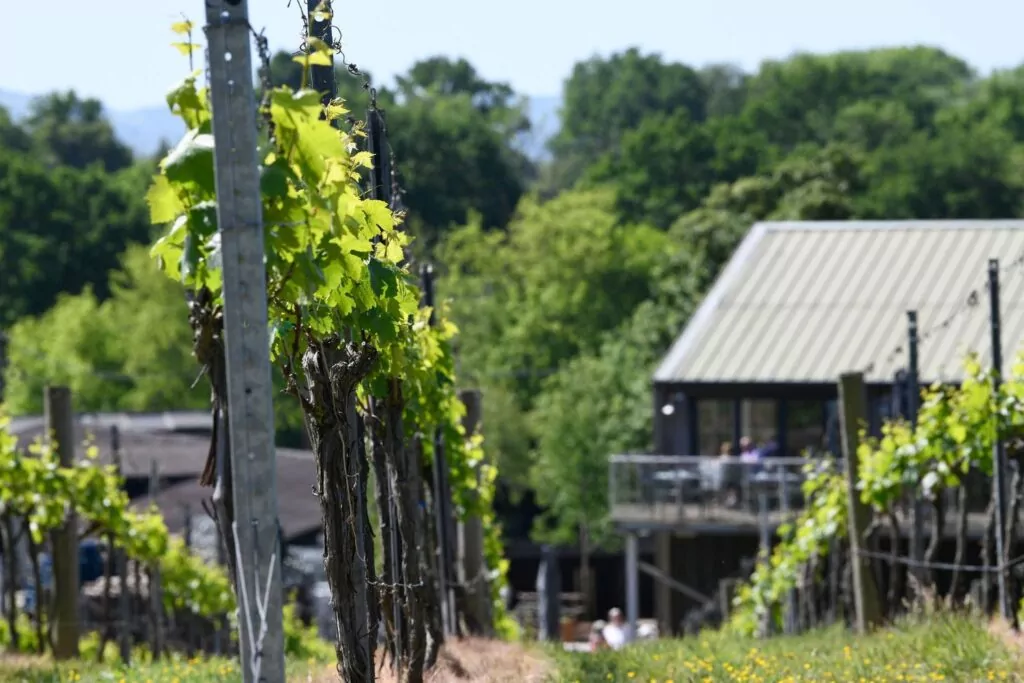
If you’d like to put some of this into practice and taste different styles side by side, book a tour and tasting session at Bolney Wine Estate in West Sussex, England’s wine country.
FAQs
Does a more expensive wine always taste better?
No. Blind-tasting research shows non-expert drinkers don’t rate pricier wines any higher when they can’t see the label. Price reflects production cost more than guaranteed enjoyment.
What’s the easiest way to know if a wine is dry or sweet?
Check for the words Brut, Trocken or Sec for dry, and Doux, Demi-Sec or “medium” for sweeter styles. Without any of these, a higher ABV usually points to a drier wine.
Is a high-tannin wine always of better quality?
No. Tannin is a style choice, not a quality marker. Some excellent wines have low tannin, such as good Pinot Noir or Beaujolais.
Should I always ask for a recommendation?
It’s worth it if you’re unsure. Giving staff a rough idea of what you like and your budget usually gets you a better bottle than guessing on your own.
Is it better to buy wine from a wine shop, a supermarket, or a vineyard?
Each has its strengths. Supermarkets are convenient and competitively priced, though the range is often limited to popular styles. Independent wine shops usually offer more specialist advice and a wider range, sometimes at a higher price. Buying directly from a vineyard often gets you the freshest stock, a chance to taste before you buy, and wines you may not find anywhere else.
Sources
- Protect a geographical wine name (GOV.UK)
- Understanding acidity in wine (WSET)
- What Are Tannins In Wine? (Wine Folly)
- Everything You Ever Wanted to Know About Cork Taint (Wine Enthusiast)
- Do More Expensive Wines Taste Better? Evidence from a Large Sample of Blind Tastings (Journal of Wine Economics)
- Four rules to masterful food and wine pairing (WSET)
- Bucks Fizz Cocktail Recipe (Difford’s Guide)
- They Call It ‘Noble Rot’ Wine (Botrytis) (Wine Folly)
- Ideal serving temperatures and top tips for wine storage (WSET)
- How should I order wine at a restaurant? (Decanter)
- The effects of ethanol and glycerol on the body and other sensory characteristics of Riesling wines (Australian Journal of Grape and Wine Research)
- Does the alcohol really burn off during cooking? (Idaho State University)