Account






How To Taste Wine: A Guide to the 5 S’s
Start exploring

Wine tasting can have a bad reputation. It’s often associated with snobbery and seemingly nonsensical descriptions of “bouquets” and “notes” — and that puts plenty of people off before they even start. But once you understand the process, it stops feeling like a test and starts feeling like what it actually is: a really enjoyable way to pay attention to what’s in your glass of wine.
This guide walks you through how to taste wine as a beginner, explaining each step and why it matters, so you can get more out of every bottle.
Before you begin, it’s worth knowing how to serve wine properly — the right serving temperatures and glassware genuinely transform a tasting. You’d be surprised how big a difference these small details make.
What are the 5 S’s of Tasting Wine?
- See – Inspect the colour, clarity and any sediment.
- Swirl – Aerate the wine to release its aromas.
- Smell – Identify primary, secondary and tertiary aromas.
- Sip – Hold the wine in your mouth for 3–5 seconds.
- Savour – Notice the finish and lingering flavours.
The trick to tasting wine properly is to keep the three key components in mind throughout: fruit, alcohol, and acid. There are five main elements of a proper wine tasting, often called the 5 S’s: See, Swirl, Smell, Sip and Savour.
1. See
You can tell a surprising amount about a wine just by looking at it. A deeper, more intense colour — whether white or red — can hint at the strength of the flavour and the wine’s age. White wines take on darker, golden hues as they age, while red wines actually lose colour over time, fading from deep purple to brick or garnet.
Inspecting the wine also lets you check for sediment. Sediment is normal in older red wines and isn’t a fault — it’s simply natural compounds that have settled out. If you spot any, stand the bottle upright so the sediment drops to the bottom, then pour carefully (or decant) to keep it out of your glass.
Pro tip: Tilt the glass against a white surface or piece of paper to read the colour accurately.
2. Swirl
Swirling is more than theatre. It adds oxygen to the wine, helping the flavours open up, and the aromas rise to the rim of the glass — which sets you up for the next step.
You may notice the wine clinging to the sides of the glass after swirling. These trails are called “legs” or “tears”, and they indicate the wine’s viscosity (a combination of alcohol and sugar content). More pronounced legs generally translate to a fuller, rounder mouthfeel — though contrary to popular belief, legs aren’t a reliable indicator of quality, as wine experts at Decanter have noted.
3. Smell
After swirling, put your nose right into the bowl of the glass — without touching the wine — and breathe in deeply.
Smell is responsible for around 80% of what we perceive as flavour, which is why this step is so important. You might pick up vegetation, wood, minerals, smoke, wet stones, or any number of fruits and flowers. These aromas come from the wine’s natural chemical compounds, and the smell will continue to evolve as the wine sits in the glass.
Don’t worry if you detect “unusual” aromas. Petrol notes in an aged Riesling or earthy, barnyard hints in certain reds are completely normal characteristics of those styles.
4. Sip
The main event. Take a sip, and as you do, try to draw a little air across the wine while it’s in your mouth (a technique sometimes called “retronasal” tasting). Hold the wine on your tongue for 3–5 seconds before swallowing or spitting.
To get more technical, there are three layers of flavour to look out for:
- Primary aromas are the most dominant. They come from the grape itself and may be fruity, floral, herbal or spicy.
- Secondary aromas come from the winemaking process — fermentation, lees ageing or oak barrels (think buttery, yeasty or oaky notes).
- Tertiary aromas develop during ageing and tend to be more complex — leather, dried fruit, honey, mushroom or tobacco. Don’t be alarmed by unfamiliar flavours; that complexity is what tasters prize.
For a deeper dive into aroma categories, the Wine & Spirit Education Trust (WSET) offers structured tasting frameworks used by professionals worldwide.
5. Savour
The final step is to “finish” your taste of wine. Whether you swallow or spit (more on that below), pay attention to how the flavours linger on your palate. You may notice a powerful finish where new flavours emerge, or a refreshing acidity that cleanses the mouth. Take a moment to savour what’s there — this lingering impression is often the most telling part of the wine.
How to Describe the Taste of Wine
Wines come in a vast range of styles and flavours: red, white, rosé, still, sparkling and fortified. So there’s an equally varied vocabulary for describing them.
Every wine has a structure built from a few key elements:
- Tannins — natural compounds found in grape skins, stems and seeds. High-tannin wines (like Cabernet Sauvignon) make your mouth feel drier; lower-tannin wines feel softer.
- Acidity — gives wine its freshness and food-friendliness.
- Alcohol — contributes warmth and body.
- Sweetness — from residual sugar left after fermentation.
- Body — the overall weight or “fullness” of the wine.
A wine that nails the balance of these elements is the holy grail.
Common Wine Tasting Terms
| Term | What It Means |
|---|---|
| Acidity | The tingling, mouth-watering sensation at the back of the throat. The longer your mouth waters, the more acidic the wine. |
| Balanced | Fruit, alcohol and acidity work in harmony, with no single element dominating. |
| Body | The wine’s “fullness” or weight in the mouth. Full-bodied wines are richer; light-bodied wines feel delicate. |
| Bold | Particularly striking, fruit-forward flavours. The opposite is “elegant” — more restrained. |
| Bouquet | The aroma of a wine, particularly aromas developed through ageing. Common bouquets include fruit, flowers, herbs, earth, grass, tobacco and chocolate. |
| Complex | A wine whose flavour evolves noticeably from first sip to aftertaste. |
| Finish | How long the flavour lingers after swallowing or spitting. Longer finishes generally indicate higher quality. |
| Minerally | Wines that aren’t overtly fruity, herby or spicy — often with a stony, flinty or almost metallic edge. |
| Oaky | A wine aged in oak barrels. In whites, this can read as vanilla and butter; in reds, smoky or toasty. |
| Zesty | Bright citrus notes paired with vivid acidity. |
For a more comprehensive glossary, Wine Folly’s tasting vocabulary guide is an excellent free resource.
How to Taste Red Wine
Red wine’s higher tannin content can make your mouth feel drier — that’s a feature, not a fault. To get the best from a red:
- Serve at around 16 °C (just below room temperature). This softens the tannins and lets the fruit shine.
- Lighter reds like Pinot Noir benefit from being slightly cooler — around 14 °C.
- Use a glass with a wider bowl and opening. This encourages ethanol to evaporate and tannins to soften, giving you a smoother sip.
Decanting older or more tannic reds for 30 minutes to an hour before serving can also dramatically improve the experience.
How to Taste White Wine
White wines are best enjoyed cooler — typically 8–10 °C. Most home fridges run colder than this, so take the bottle out 10–15 minutes before tasting to let it warm slightly. Serving white wine too cold actually mutes its aromas and flavours.
- Use a glass with a smaller bowl. This brings the delicate aromas closer to your nose and helps preserve fruity and floral notes.
- Crisp, aromatic whites (Sauvignon Blanc, English Bacchus) shine at the cooler end of that range.
- Richer, oaked whites (such as Chardonnay) often reveal greater complexity at 10–12 °C.
Why Do People Spit Out Wine at Tastings?
There are two main reasons:
- Palate fatigue. As alcohol enters your bloodstream, your senses dull and you become less able to detect subtle nuances. A professional tasting might involve 40+ wines, and spitting is the only practical way to assess them all.
- Driving and daily life. Tastings often happen during the day, and spitting lets you sample without becoming intoxicated.
That said, swallowing does give a slightly fuller experience: the taste buds at the back of the tongue contribute, and exhaling after swallowing releases additional aroma compounds (a process called retronasal olfaction).
If you’re at a casual tasting and only sampling a handful of wines, swallowing is perfectly fine. At a larger event, follow the professionals’ lead and use the spittoon — it’s a sign of expertise, not poor manners.
Try Wine Tasting at Bolney Wine Estate
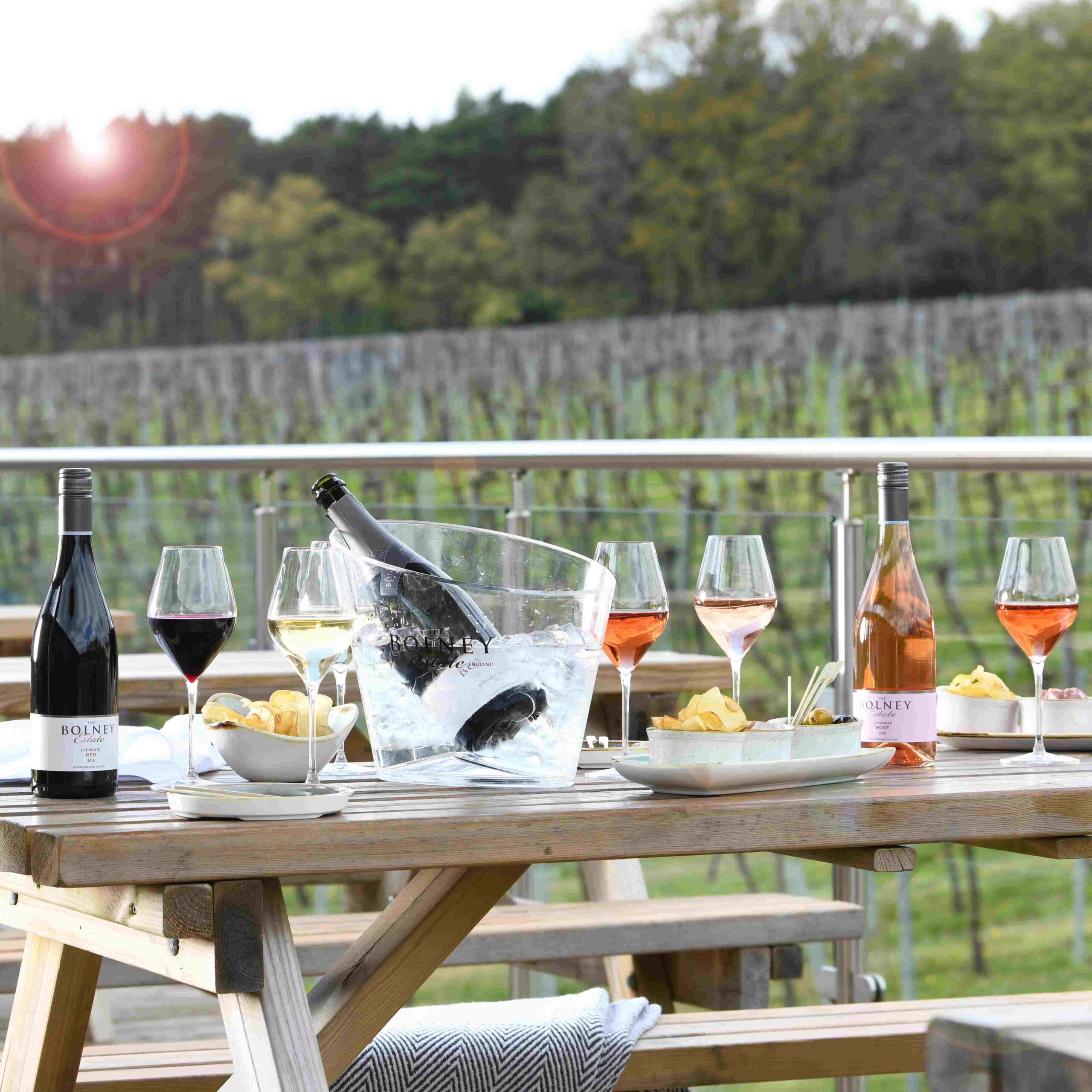
The best way to put any of this into practice is to taste alongside someone who can talk you through it. Visit our 50-year-old vineyard in the heart of the Sussex countryside, and a dedicated Bolney guide will lead you through a fully tutored tasting of our delicious wines, showing you exactly how it’s done — from glass to glass.
Browse our full range of wine tasting experiences and discover the journey from vine to wine on an immersive day that satisfies all the senses.
Frequently Asked Questions
How long should I hold wine in my mouth when tasting?
Aim for 3–5 seconds. This gives the wine time to coat your palate and lets you pick up flavours that develop on different parts of the tongue.
Do I need an expensive glass to taste wine properly?
No — but the shape matters more than the price. A reasonably tulip-shaped glass that tapers slightly at the rim will outperform a flat tumbler. Invest in one decent all-purpose wine glass before worrying about varietal-specific shapes.
Why does wine taste different on different days?
Several factors are at play: your mood, what you’ve eaten, the room temperature, and even humidity can shift how a wine comes across. Wines themselves also evolve in the bottle and in the glass.
What’s the difference between aroma and bouquet?
“Aroma” generally refers to smells from the grape and fermentation, while “bouquet” describes the more complex scents that develop with age. In casual use, the terms are often interchangeable.
How do I get better at wine tasting?
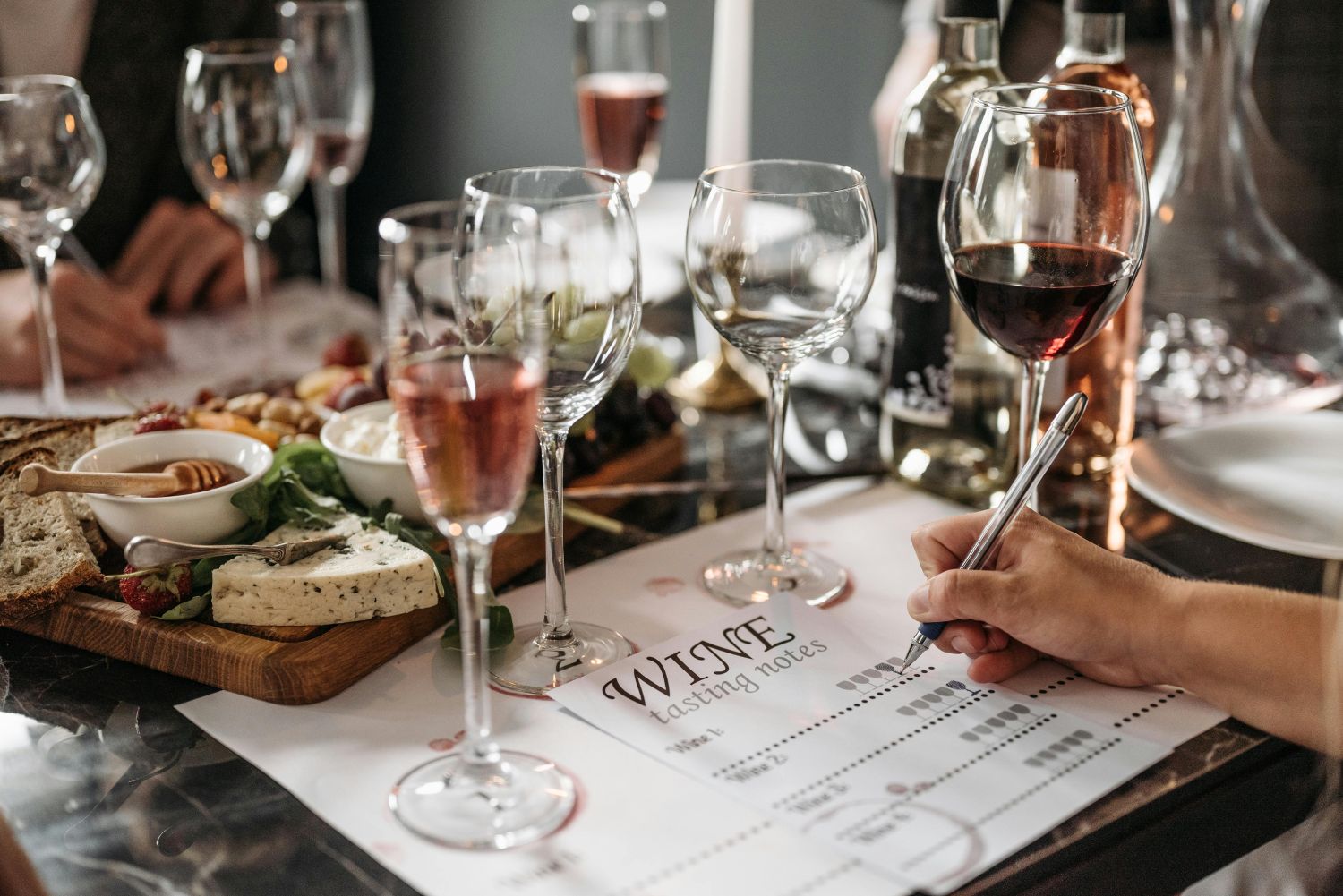
Practice deliberately. Taste wines side by side, write down what you notice, and compare your impressions to professional tasting notes. Structured courses from organisations such as the WSET or the Court of Master Sommeliers can accelerate the learning curve.