Account






Which Sparkling Wine Method Makes The Best Wine?
Start exploring

Did you know that different sparkling wines are made using completely different methods? There are five of them. And those methods are a big part of why you can spend £4 on a bottle of supermarket fizz, or over £200 on a single bottle of luxury Champagne, and why they taste absolutely nothing like each other.
A bottle of Krug Grande Cuvée or Dom Pérignon sits at one end of that spectrum. A supermarket’s own-brand sparkling wine sits at the other. In between, there is a whole world of sparkling wine: Prosecco, English sparkling wine, Cava, Crémant, Pét-nat and more. The method used to make each one accounts for most of the differences in quality, flavour and price.
This guide tells you exactly which method is best, why, and which sparkling wine is right for what you are buying it for. New to wine terms? Our glossary covers the key words used throughout. For a full step-by-step explanation of how each method works, read our guide on how sparkling wine is made.
Jump to a section
- Why are there different sparkling wine methods?
- What makes an excellent sparkling wine?
- How does the production method change how sparkling wine tastes?
- Comparing every sparkling wine method
- So which sparkling wine method is actually best?
- Which sparkling wine should you buy? A guide by occasion
- What the research says about sparkling wine quality
- Frequently asked questions
- Sources
Why Are There Different Sparkling Wine Methods?
The methods were invented in different places, at different times, for different grapes and different goals.
The oldest method of all is the ancestral method, the technique behind Pét-nat. It dates to the early 16th century in the Limoux region of southern France, where winemakers first noticed that bottling wine before fermentation was complete created natural bubbles. No one designed it. They observed what was happening and bottled it.
The traditional method (used for Champagne, English sparkling wine and Cava) developed later, in the Champagne region during the 17th century. Winemakers found that adding a small amount of sugar and yeast to a finished still wine before sealing the bottle triggered a second fermentation that created fine, persistent bubbles. This was refined over centuries into the highly controlled process used today.
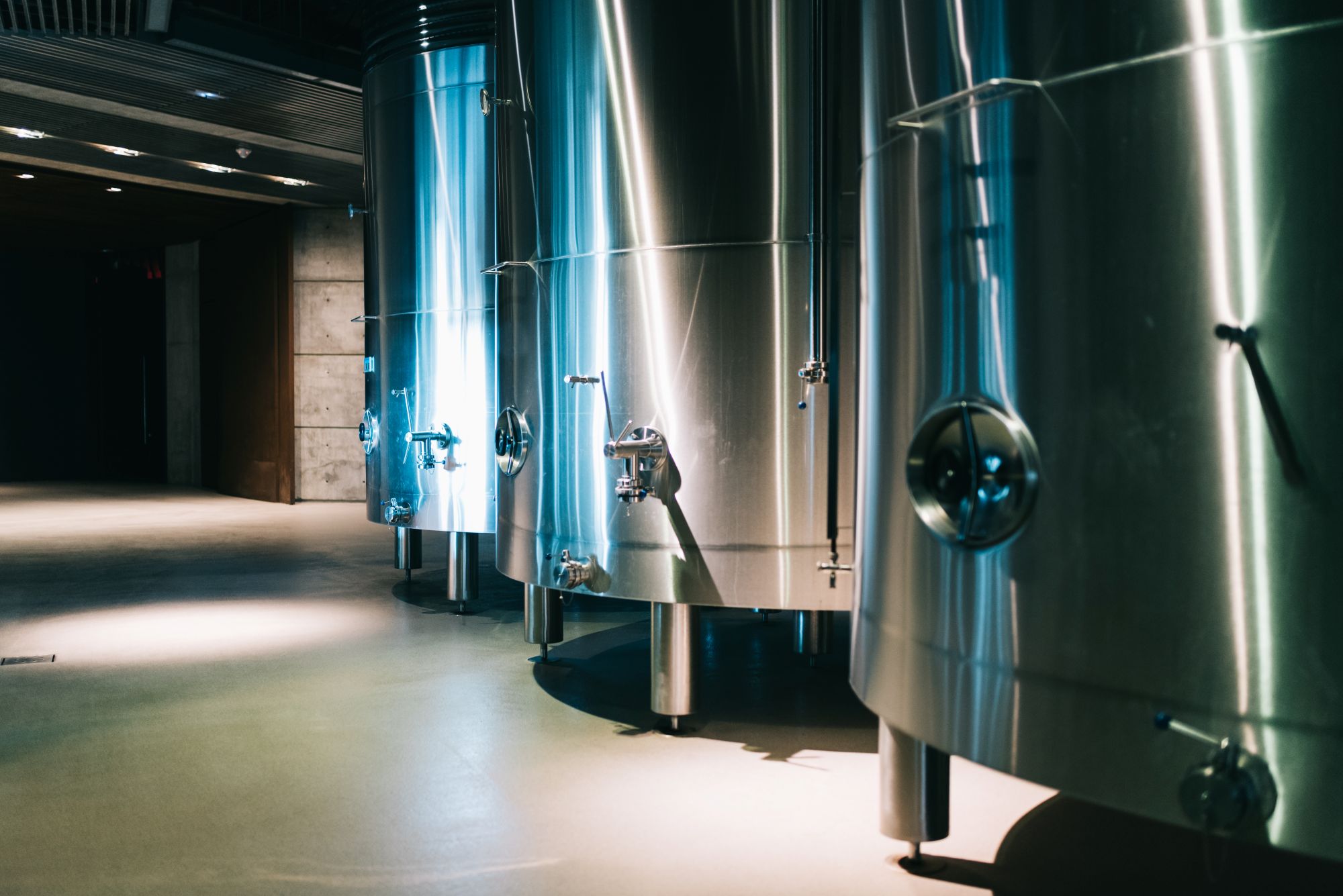
The tank method came much later. Italian winemaker Federico Martinotti developed the pressurised tank technique in 1895, and Eugène Charmat patented an improved version in 1907, hence the name “Charmat method”. The goal was practical: to produce a lighter, fresher sparkling wine more quickly and at lower cost, preserving the delicate fruit aromas of grapes like Glera (the grape behind Prosecco) that would be lost during extended bottle ageing.
Carbonation is a 20th-century industrial process. CO2 is injected into still wine the same way fizzy drinks are made. Different methods exist because:
- Different grape varieties suit different techniques (aromatic, fragile grapes suit the tank method; high-acid grapes like Chardonnay and Pinot Noir suit the traditional method)
- Different regions developed their own traditions and quality standards independently
- Different price points require different production approaches
- Different styles of wine call for different outcomes: complexity versus freshness, longevity versus immediate enjoyment
What Makes an Excellent Sparkling Wine?
Before ranking the methods, it helps to know what we are judging. Wine professionals assess sparkling wine on four main things:
Bubble quality
Fine, small, persistent bubbles are a sign of a well-made wine. They feel creamy and integrated rather than harsh or aggressive. Research by Professor Gérard Liger-Belair at the University of Reims, the world’s leading expert on sparkling wine bubble dynamics, shows that the way bubbles form during production directly determines their size and how long they last.
Jargon explained: mousse
Mousse describes the overall texture of bubbles in a sparkling wine, both in the glass and on the palate. Fine, creamy mousse (small, silky bubbles) is a quality marker. Large, aggressive bubbles that disappear quickly are associated with lower-quality production methods.
Flavour complexity
A quality sparkling wine has layers. Alongside fruit, you might find toast, brioche, almond, cream or a mineral quality. These secondary flavours come from the production method, not the grape alone. A wine with only one-note fruit and no depth has not had the time or process to develop complexity.
Balance
Fresh acidity, lively bubbles and any sweetness should feel in harmony with each other, not pulling in different directions.
Finish
How long the flavour lasts after you swallow. Premium sparkling wines have a long, clean finish. Entry-level wines fade quickly.
How Does the Way Sparkling Wine Is Made Change How It Tastes?
The production method shapes two things above all else: bubble quality and flavour development.
- Slow fermentation sealed inside each bottle (the traditional method) produces small, creamy bubbles and complex toasty flavours from months or years of ageing in contact with yeast
- Fast fermentation in a large pressurised tank (the tank method) produces softer, fresher bubbles and bright fruit flavours with no toasty complexity
- Injected CO2 (carbonation) produces large, harsh bubbles and a simple flavour with no development at all
The time difference is significant. The traditional method takes a minimum of 15 months and often several years. The tank method takes a few weeks. Carbonation can be done in hours. That time is when flavour is built.
Jargon explained: lees ageing
After fermentation, dead yeast cells (called lees) remain in contact with the wine. Over time, they break down and release flavour compounds that add body, richness and complexity — the bready, biscuity, toasty notes you find in Champagne, English sparkling wine, Cava and Crémant. The CIVC requires non-vintage Champagne to age on the lees for at least 15 months. Tank method wines spend around 30 days in contact with lees. Carbonated wines have none at all.
Comparing Every Sparkling Wine Method: Quality, Bubbles and Flavour
| Traditional method | Tank method | Transfer method | Ancestral (Pét-nat) | Carbonation | |
|---|---|---|---|---|---|
| Examples | Champagne, English sparkling wine, Cava, Crémant, Franciacorta | Prosecco, Asti, most Sekt | Large-format bottles, some Australian wines | Pét-nat | Budget supermarket fizz |
| Bubble quality | Fine and creamy | Soft and fresh | Fine to medium | Light and variable | Large and harsh |
| Flavour complexity | High: toasty, biscuity, nutty alongside fruit | Medium: fresh and fruit-forward | Medium: some complexity | Low to medium: fruity, sometimes funky | Low: simple |
| Ageing potential | Years to decades | Drink within 1 to 2 years | Drink within 1 to 2 years | Drink young | Drink immediately |
| Typical price | £12 to £500+ | £8 to £20 | £10 to £25 | £12 to £25 | Under £8 |
| Overall quality | Premium | Good | Good | Variable | Basic |
| Best used for | Celebrations, gifts, special occasions | Weeknight drinking, parties, brunch | Larger bottle formats, parties | Curious drinkers, natural wine lovers | Cocktails and Bucks Fizz on a tight budget |
So, Which Sparkling Wine Method Is Best?
For overall quality: the traditional method
The evidence is clear and consistent. Bottle-fermented traditional method wines produce finer bubbles, more complex flavours and greater longevity than any other method. A study published in the Journal of Agricultural and Food Chemistry comparing Australian sparkling wines across production methods found that traditional-method wines consistently scored highest for quality. Carbonated wines scored lowest.
The Institute of Masters of Wine notes that trained tasters can identify the production method in a blind tasting from the bubble texture and flavour alone. That is not a marginal difference.
But “best overall quality” is not the same as “best for every situation.” The right sparkling wine depends on the occasion, the budget and what you want from your bottle of bubbly, which is what the next section covers. For more guidance on choosing a sparkling wine, see our full guide.
Which Sparkling Wine Should You Buy? A Guide by Occasion and Budget
For a once-in-a-lifetime moment: prestige cuvée Champagne
Best for: milestone anniversaries, retirements, proposals, occasions that deserve the very best
A prestige cuvée such as Dom Pérignon, Krug Grande Cuvée or Louis Roederer Cristal represents the pinnacle of the traditional method. Made from hand-selected grapes, aged for many years and finished to an exceptional standard, these are among the most complex, refined sparkling wines in the world.
The price: from around £150 to several hundred pounds per bottle.
Extended ageing, meticulous blending and the finest base wines produce a depth and elegance that is genuinely in a category of its own. Worth knowing: English sparkling wine from small-batch, award-winning producers can offer a comparable experience at a lower price point and has outperformed Champagne in international blind tastings, as reported by Decanter.
For a celebration or special gift: traditional method, mid-range
Best for: weddings, big birthdays, engagements, new arrivals, something generous without costing hundreds
All of the following use the traditional method and deliver the fine bubbles and complexity that make a bottle feel like a proper occasion:
- Vintage Champagne: £50 to £100
- English sparkling wine from the South Downs, Kent or Hampshire: £25 to £50
- Franciacorta from Italy: £25 to £50
- Cava Gran Reserva (30 months on the lees): £15 to £25
- Crémant de Bourgogne or Crémant d’Alsace: £12 to £20
Crémant and Cava, in particular, are genuinely underrated with traditional-method quality at a fraction of Champagne prices.
Worth knowing: English sparkling wine
The chalk soils of Sussex, Kent and Hampshire are a geological continuation of the chalk under the Champagne region, as confirmed by the British Geological Survey. English sparkling wines have earned strong international recognition for quality and elegance, and regularly outperform established Champagne houses in blind competitions.
For a party or casual occasion: tank method
Best for: large gatherings, summer barbecues, hen dos, any occasion where you need plenty of bottles
Prosecco is light, fresh, crowd-pleasing and easy to enjoy without any wine knowledge. The tank method preserves the bright, peachy, floral aromas of the Glera grape, making it immediately approachable. For large gatherings where volume and accessibility are factors, it is the sensible choice.
- Prosecco DOC: £8 to £12
- Prosecco DOCG (Conegliano Valdobbiadene): £12 to £18 — a step up in quality
- Basic Cava: £8 to £12
For Bucks Fizz and sparkling cocktails: budget sparkling wine
Best for: brunch, morning receptions, mixed drinks and cocktails
When you mix sparkling wine with orange juice, elderflower, fruit purée, or spirits, the wine’s complexity gets diluted and lost. There is no point using a traditional method wine that has spent two years developing its flavour only for it to be overwhelmed by orange juice. A clean, dry, affordable base is all you need. Look for Brut on the label — it means dry, and it works well with sweet mixers.
- Basic Cava or Prosecco: £7 to £10
- Entry-level supermarket sparkling wine: £5 to £8
For the wine-curious: natural sparkling wine (Pét-nat)
Best for: adventurous drinkers, natural wine fans, anyone wanting something different to explore
Pét-nat is made using the oldest sparkling wine method. Lower in alcohol (often 9 to 11% ABV), slightly cloudy from natural sediment and with a character that varies from bottle to bottle, it is unpredictable in a way that is either charming or frustrating depending on your personality. Typically priced at £12 to £22 from small natural wine producers.
Jargon explained: Pétillant Naturel
Pétillant Naturel (shortened to Pét-nat) means “naturally sparkling” in French. The wine is bottled mid-fermentation so the bubbles form naturally, with no added sugar or yeast at bottling. The cloudiness you sometimes see is natural sediment — completely harmless and a sign of minimal intervention.
To avoid: carbonated wine
Only consider if: the budget is genuinely very tight and quantity is all that matters
Carbonated wines inject CO2 directly into still wine. The bubbles are large, they disappear quickly, and the flavour is simple. Research confirms they consistently score lowest in quality assessments. If your budget stretches to £8, a basic Prosecco or Cava will be noticeably better.
What the Research Says About Sparkling Wine Quality
The science points in the same direction across multiple studies:
- Research by Professor Liger-Belair, published in the Annual Review of Analytical Chemistry, confirms that bottle-fermented wines produce significantly smaller, more stable bubbles than tank method or carbonated wines
- A study in Molecules found that lees ageing releases flavour-active compounds (the source of bready, toasty aromas) that do not develop in faster production methods
- Research in Food Chemistry showed that lees consume oxygen during ageing, protecting the wine and contributing to its stability over time
- A PubMed study comparing Australian sparkling wines found traditional method wines scored highest on every quality measure; carbonated wines scored lowest
The conclusion is consistent: the traditional method produces the most complex, highest-quality sparkling wine. Tank-method wines are optimised for a different purpose and do so well. Carbonated wines are functional at a low price point, but are not quality products.
Book a guided tour to learn more
See winemaking methods and taste delicious sparkling wine for yourself. At Bolney Wine Estate in West Sussex, our tours take you through the vineyard and winery before a guided tasting of English sparkling wines made on-site.
Frequently Asked Questions
Is the traditional method always the best method for sparkling wine?
For overall quality, yes. Research consistently places traditional-method wines above tank-method and carbonated wines in terms of bubble quality, flavour complexity, and finish. But “best quality” is not always what the occasion calls for. For cocktails, large parties, or Bucks Fizz, a good tank-method wine is the more practical choice.
What is the best sparkling wine for Bucks Fizz?
A clean, fresh Prosecco or basic Cava is ideal. The complexity of a traditional method wine is lost when mixed with juice, so there is no benefit in spending more. Look for Brut on the label for a dry finish that works well with sweet mixers.
What is the best affordable sparkling wine that still tastes premium?
Crémant d’Alsace and Crémant de Bourgogne consistently offer the best value, both using the traditional method and regularly coming in under £15. Cava Reserva is another strong option, often under £12, with a minimum of 18 months on the lees. For more help narrowing it down, we have a guide to choosing a sparkling wine.
Is English sparkling wine worth the price compared to Champagne?
Yes, and independently verified. English sparkling wines made using the traditional method from chalk-soil vineyards in Sussex, Kent and Hampshire have outperformed established Champagne houses at international blind tastings. They taste different from Champagne — typically more delicate, mineral and precise — but the quality level is comparable. For a broader look at sparkling wine styles and how they compare, we cover the full picture.
Can you taste the difference between methods?
Most people can, especially when tasting side by side:
- Traditional method wines have finer, longer-lasting bubbles and flavours of bread, biscuit and toast alongside fruit
- Tank method wines are lighter, fruitier and more floral
- Carbonated wines have large bubbles that disappear fast and simple, a one-note flavour
The Institute of Masters of Wine notes that trained tasters can identify the method reliably in a blind tasting. Our guide to tasting wine can help you develop your own ability to spot the differences.
Why does luxury Champagne cost so much?
Several factors combine:
- Prestige cuvées use the finest grapes from the best vineyard sites
- They are aged for many years beyond the legal minimum — Dom Pérignon is typically held for at least seven years before release
- Production is strictly limited, which drives prices up
- The brand heritage adds a significant premium
- Land in the Champagne region is among the most expensive vineyard land in the world
What does Brut mean on a sparkling wine label?
Brut means the wine is dry — low in residual sugar. It is the most common style across all sparkling wine methods. Confusingly, “Extra Dry” is actually slightly sweeter than Brut. Our full guide to Brut, Extra Dry and Demi-Sec explains the complete sweetness scale.
Sources
- Professor Gérard Liger-Belair, University of Reims — bubble dynamics in sparkling wine
- ACS Nano — peer-reviewed bubble formation research
- Molecules (MDPI) — lees ageing and flavour compound release
- Food Chemistry (ScienceDirect) — lees, oxygen and wine stability
- PubMed: Australian sparkling wine study — comparative quality assessment
- MDPI Beverages — ancestral method characteristics
- Institute of Masters of Wine
- Wine and Spirit Education Trust (WSET)
- Comité Interprofessionnel du Vin de Champagne (CIVC)
- British Geological Survey
- Decanter