Account






Wine Glasses: A Complete Guide To Shapes, Sizes & Care
Start exploring

Most of us have at least one mismatched set of wine glasses lurking in a cupboard. Some inherited from a house move, some bought on a whim, some chipped from a dinner party three years back. The good news is you don’t need a perfect set to enjoy your wine, but it does help to know which glass works best for which wine, and why.
This guide walks you through it, plus the practical things most articles skip: how to clean wine glasses without snapping the stems, where to store them, and what to look for when you’re shopping for a new set.
Does it matter what glass you drink wine from?
Short answer: yes, though a little less than you might expect.
Here’s something most people don’t realise. Somewhere between 70% and 95% of what we think of as “taste” is actually smell. The aroma of the wine as you raise your glass contributes far more to your enjoyment than the wine that touches your tongue. That’s why anything that affects how the aroma reaches you — most obviously, the shape of the glass — has a real impact on the experience.
The design of a wine glass changes a few things: how much air the wine touches, how the aromas travel up to your nose, where the wine lands on your tongue, and even how the glass feels in your hand. All of it nudges how the wine tastes.
There’s solid academic research backing this up. Researchers at Oxford University’s Crossmodal Research Laboratory, including Professor Charles Spence and Dr Qian Janice Wang, study how our senses interact with food and drink. Their 2018 paper A smooth wine? Haptic influences on wine evaluation found that even the texture of the glass, whether it feels smooth or rough in the hand, affects how we perceive a wine’s flavour and mouthfeel. They call this “sensation transference”. In other words, what we feel about the glass carries over into what we taste in the wine.
It’s a small effect, but it makes a difference. A wine glass, one that feels nice to hold, has a thin rim, and a bowl shaped to release aroma, will genuinely make most wines taste better than a regular tumbler or a mug. The good news is you don’t need a different glass for every type of wine. A couple of decent shapes will cover almost everything.

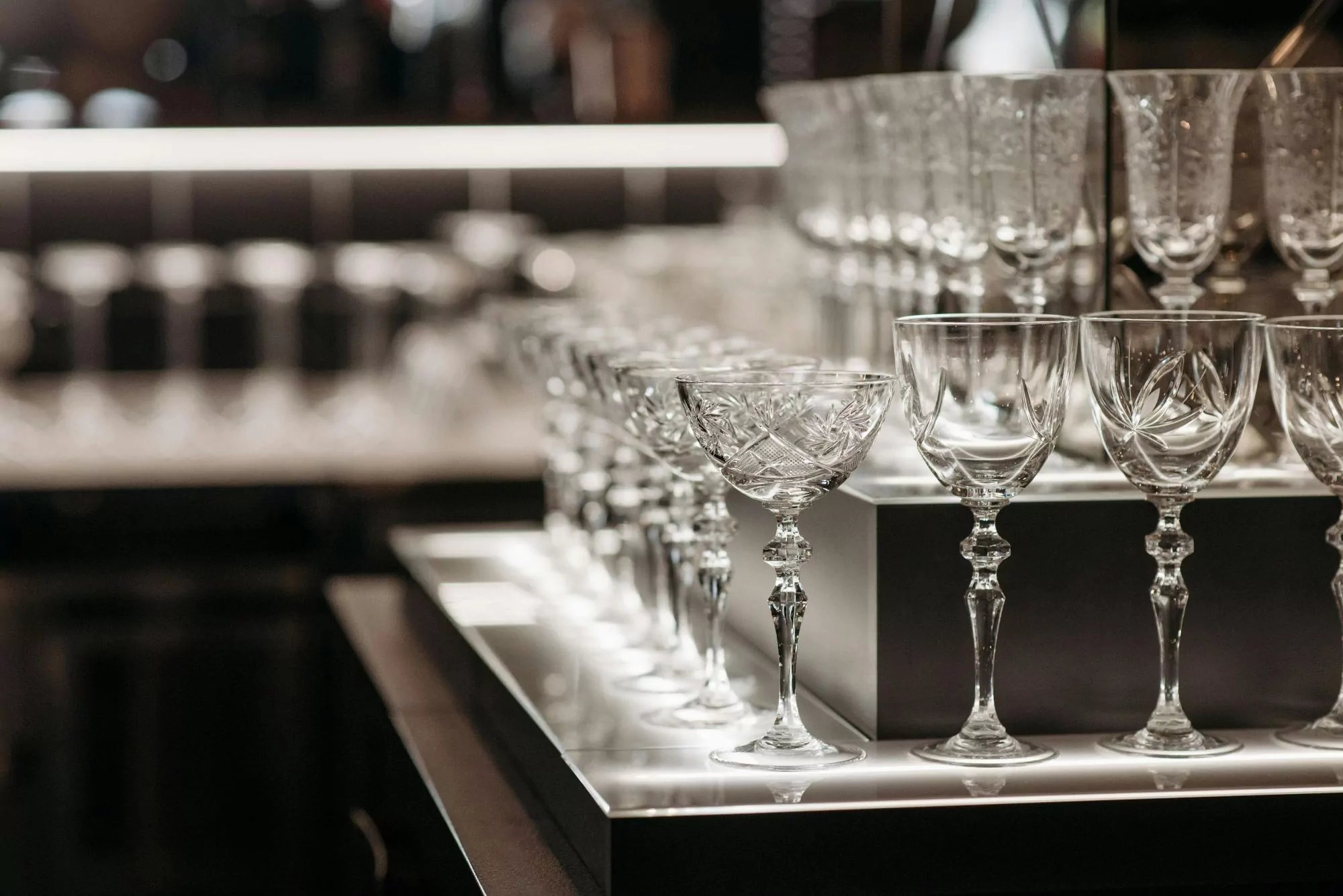
The parts of a wine glass (and what each one does)
Before we get into shapes, here are the four parts of a wine glass and why they exist.
- The bowl is where the wine sits. A bigger bowl gives the wine more room to breathe and releases more aroma. The shape of the bowl directs the wine onto different parts of your tongue.
- The rim is the part your lip touches. A thinner rim feels nicer and gets the wine onto your palate without distraction. A rim that curves slightly inward (called a “tapered” rim) traps aromas inside the glass so you smell more of the wine.
- The stem keeps your hand off the bowl. Holding the bowl warms the wine up — fine for a big red, less ideal for a chilled white.
- The foot is the flat base. It stops the glass from falling over.
Which wine glass for which wine?
Here’s the quick version, then we’ll go through each one:
| Wine | Glass shape | Why |
|---|---|---|
| Red wine (full-bodied, e.g. Cabernet, Shiraz) | Large bowl, slightly tapered rim (known as “Bordeaux”) | Softens tannins, directs wine to the back of the tongue |
| Red wine (lighter, e.g. Pinot Noir) | Wide, round bowl (known as “Burgundy”) | Spreads delicate aromas, lifts fruit |
| White wine | Smaller bowl, narrower opening | Keeps wine cool, focuses fresher aromas |
| Sparkling wine | Tulip-shaped flute | Holds bubbles longer, lets aroma develop |
| Rosé | Same as white | Drink it cold, no fuss |
| Dessert / fortified | Small glass with a narrow bowl | Smaller serve, concentrated aromas |
If you only buy one wine glass, get a medium-sized one with a tapered rim. It will handle red, white, rosé, and sparkling wine perfectly well at home.
Red wine glasses
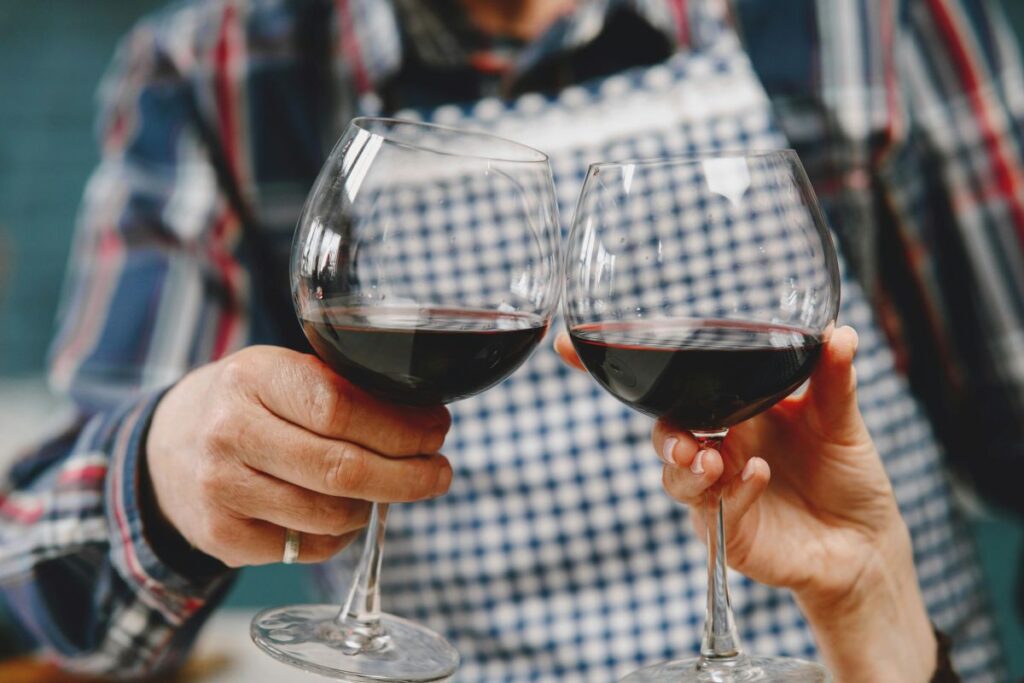
Red wine glasses are bigger than white wine glasses. The bigger bowl gives the wine room to come into contact with air, which softens the harsher edges of red wine (a quality called “tannin” — the dry, grippy feeling you get on your gums from a strong red).
There are two classic red wine glass shapes:
- Bordeaux glass. Tall, with a fairly straight bowl. Made for full-bodied reds like Cabernet Sauvignon, Merlot, and Shiraz. The shape sends the wine to the back of your mouth, which suits big, structured wines.
- Burgundy glass. Wider and rounder, almost balloon-shaped. Made for lighter, more aromatic reds like Pinot Noir. The wide bowl gives delicate aromas plenty of room to develop.
If you don’t want two sets, a Bordeaux-shaped glass is the more versatile option.
White wine glasses
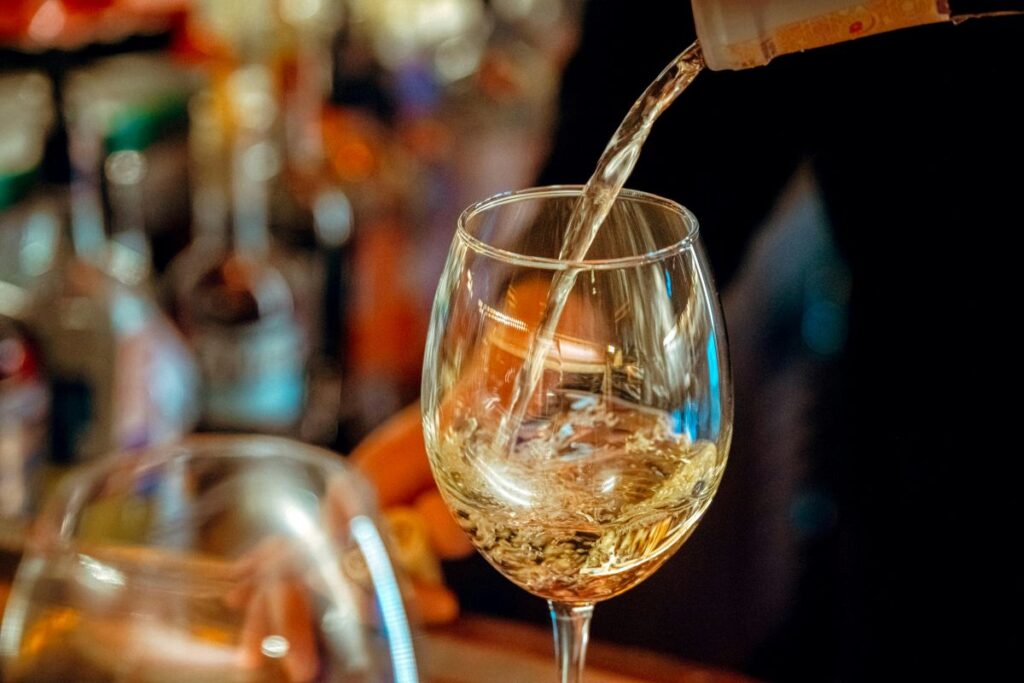
White wine glasses are smaller, with a narrower opening. There are two reasons for that. First, you serve white wine cold, and a smaller pour stays cold for longer. Second, the smaller bowl focuses the lighter, fresher aromas of white wine straight up to your nose.
You don’t really need separate glasses for Sauvignon Blanc, Chardonnay, Riesling and so on. One good white wine glass works for the lot.
Sparkling wine glasses
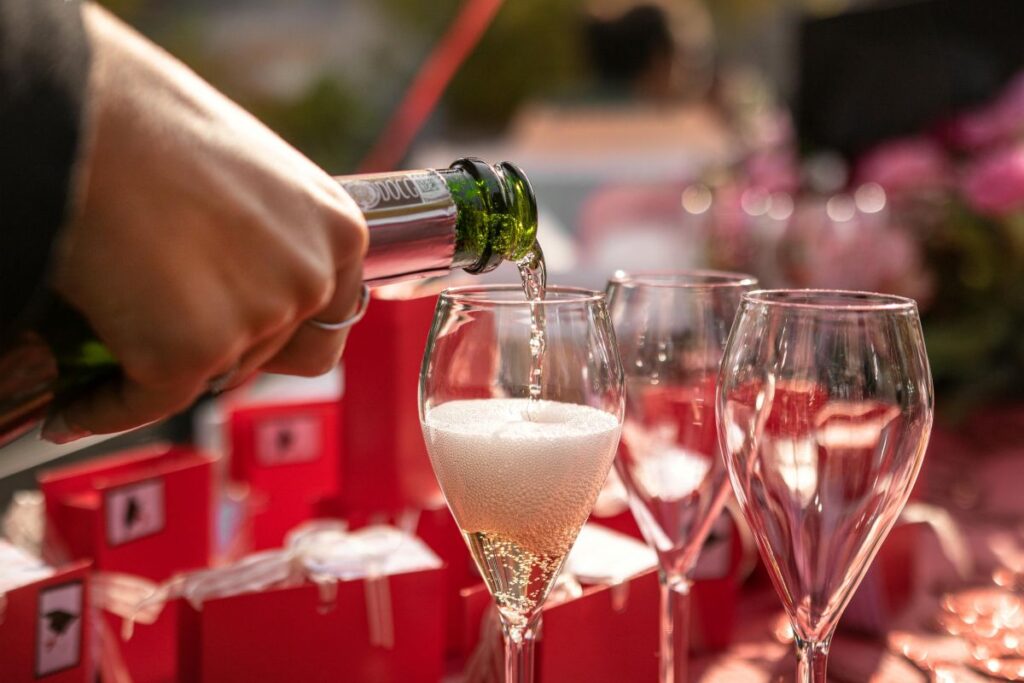
Sparkling wine is its own thing. Traditional flutes (the tall, thin ones) keep the bubbles going for longer but don’t give the wine much room to show off its aromas. A tulip-shaped flute — slightly wider in the middle — is now the shape most experts recommend, including Comité Champagne.
You can also use a white wine glass — and many experts now recommend it. A standard white wine glass has a wider bowl than a flute, which gives sparkling wine far more room to release its aromas. Yes, the bubbles dissipate slightly faster, but they still last long enough to drink the glass. The pay-off is a noticeably more aromatic, more enjoyable wine, particularly with good-quality fizz like English sparkling wine or vintage Champagne, where the aromas are part of the point.
The wine writer Jancis Robinson MW has long argued that fine sparkling wine deserves a proper wine glass rather than a flute, on the basis that aroma is too important to sacrifice for a few extra minutes of fizz. Wine Spectator has covered the same shift in expert thinking.
The simple takeaway: use a white wine glass when pouring bubbly. If your guests raise an eyebrow, you can (smugly) entertain with your wine trivia, the reason for the lack of flutes!
If you’d like to go deeper, we’ve written a full guide to sparkling wine glasses and a separate piece on how to open sparkling wine without making a mess.
Rosé glasses
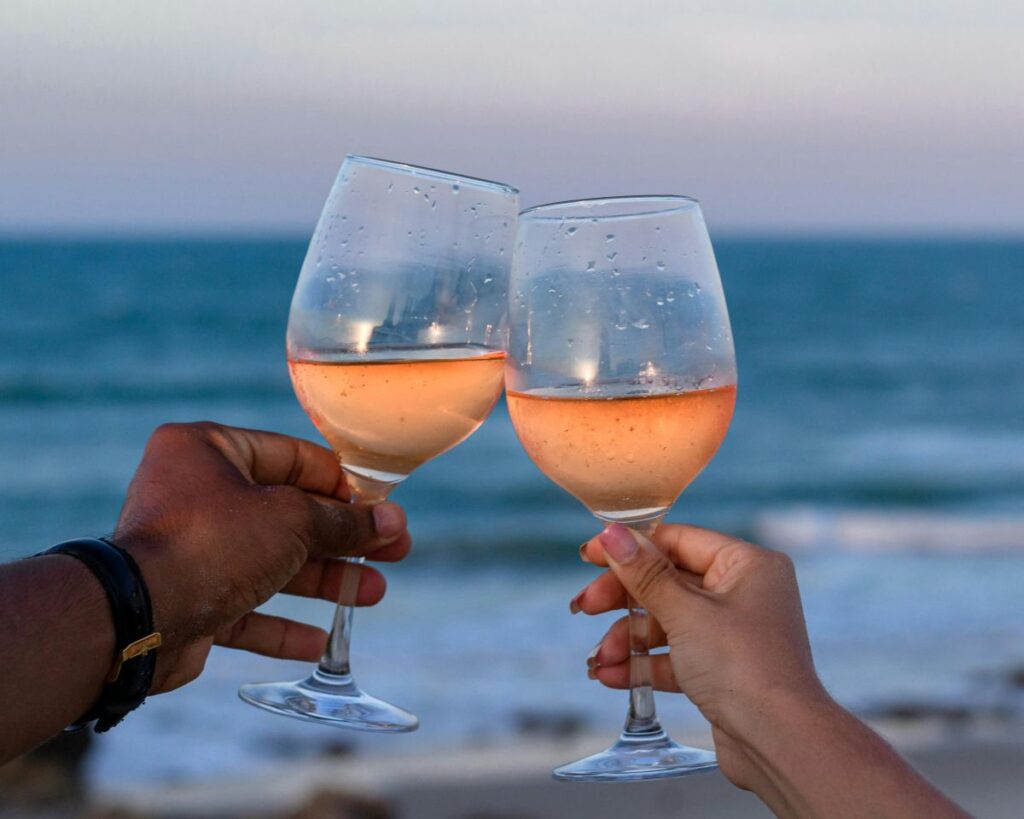
Rosé happily shares a wine glass with white wine, so there’s no need to buy anything special. The same shape works for both — a smaller bowl keeps the wine nicely chilled and channels rosé’s delicate, fruity aromas (think strawberry, redcurrant, citrus) straight up to your nose.
Serve it well chilled, around 8–10°C, or straight from the fridge after a couple of hours. Pour modest amounts so each glass stays cool while you drink.

Dessert and fortified wine glasses
Dessert wines (think Sauternes) and fortified wines (like Port and Sherry) are higher in alcohol and richer in flavour, so you serve them in much smaller measures. The glass is smaller too, with a narrower bowl that holds the concentrated aromas.
Vermouth glasses
Vermouth is a fortified wine flavoured with herbs and spices, drunk on its own over ice or in cocktails like a Negroni or Martini. Two glasses work well:
- A small wine glass or “copa” when serving vermouth on the rocks. The wider bowl lets the herbal aromas come through, and there’s room for ice, a slice of orange and an olive without crowding the drink. This is how it’s traditionally served in Spain.
- A coupe or Martini glass when vermouth is the base of a cocktail.
A standard white wine glass works perfectly well at home if you don’t want to buy something specific.
Which wine glass is bigger — red or white?
Red. Always.
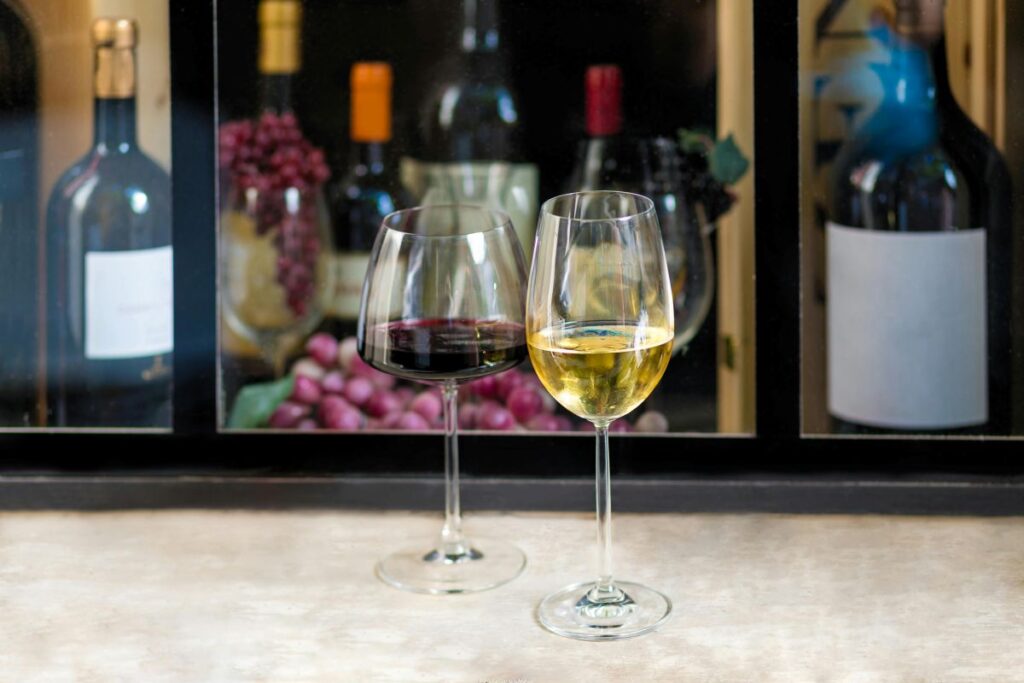
A red wine glass typically holds 400–700ml when full, while a white wine glass usually holds 300–400ml. You’re not meant to fill either to the top — a third of the way up is the right pour. The size difference comes down to what each wine needs from its glass.
Why red wine glasses are bigger:
- More air contact. A wider bowl gives the wine a larger surface area, so it comes into contact with more air. This softens tannins (the dry, grippy edge of a strong red) and lets fruit aromas come forward. Younger reds in particular benefit from the extra breathing room.
- Room to swirl. Swirling the wine in the glass releases more aroma compounds. A bigger bowl means you can swirl without sloshing it onto the tablecloth.
- Aromas have somewhere to go. Red wines tend to have more complex, layered aromas (fruit, spice, leather, oak) than white wines. A larger bowl gives those aromas space to develop and travel up to the rim, where you smell them.
- Slight warming. Red wines taste best at around 16–18°C — slightly cooler than room temperature. The bigger bowl lets the wine warm gently in your hand if it has come straight from a cool cupboard.
Why white wine glasses are smaller:
- Keeps the wine cold. White wine is served chilled (around 8–12°C). Smaller servings stay cold longer.
- Focuses the aromas. White wine aromas are usually more delicate — citrus, apple, and floral notes. A narrower bowl funnels those lighter aromas straight to your nose instead of letting them dissipate.
- Less air needed. Most white wines don’t need to “open up” the way reds do.
If you’re looking at two glasses on a table and trying to work out which is which, the bigger one is the red one.
Which wine glasses are best for everyday drinking?
For most people at home, the best wine glasses are medium-sized, stemmed, made of plain glass with a thin rim, and dishwasher-safe. Here’s what each of those things actually means in the shop.
What does “medium-sized” mean?
A medium wine glass holds around 400–500ml when full (about 14–17 fluid ounces). That sits between a small white wine glass and a large red wine glass, and there’s enough room to handle pretty much any wine you’d serve at home.
When you’re shopping, the easiest checks are:
- Capacity: Look for the millilitre or fluid-ounce figure on the label or on the website. Aim for 400–500ml.
- Total Height: Around 20–22cm from the foot to the rim is a typical all-purpose size.
- Bowl Height: The bowl itself (not counting the stem) should be roughly 8–10cm tall.
- Comfort: The bowl should fit comfortably in your palm without feeling heavy or clumsy.
If you can’t see the capacity, hold the glass next to a regular pint glass for a rough check — a medium wine glass is usually a bit shorter and slimmer.
What’s the difference between glass and crystal?
This trips a lot of people up, because they look very similar.
Glass (technically “soda-lime glass”) is what most everyday wine glasses are made from. It’s thicker, more durable, more affordable, and almost always dishwasher-safe. It feels slightly heavier in the hand, and the rim has a small “lip” where it has been finished.
Crystal is a finer material that contains either lead oxide (traditional crystal) or a lead-free alternative like barium, zinc or potassium oxide (modern crystal). It’s thinner, lighter, more transparent, and rings when you tap it. The rim can be made razor-thin, which feels nicer against your lip and gets the wine onto your palate more cleanly.
The trade-offs:
- Crystal feels and tastes better, especially with good wine, but it’s more fragile and usually needs hand-washing.
- Lead crystal is fine for drinking from, but shouldn’t be used to store wine for long periods (the European Food Safety Authority has guidance on lead exposure). Lead-free crystal avoids the issue entirely and is widely available.
- Glass is more practical for everyday drinking and far cheaper to replace when one inevitably gets knocked off the worktop.
For most homes, a set of medium-sized, lead-free crystal glasses (sometimes labelled “crystalline” or “Tritan crystal”) gives you the best of both — thin rims, dishwasher-safe, and not eye-watering to replace.
Stemmed or stemless?
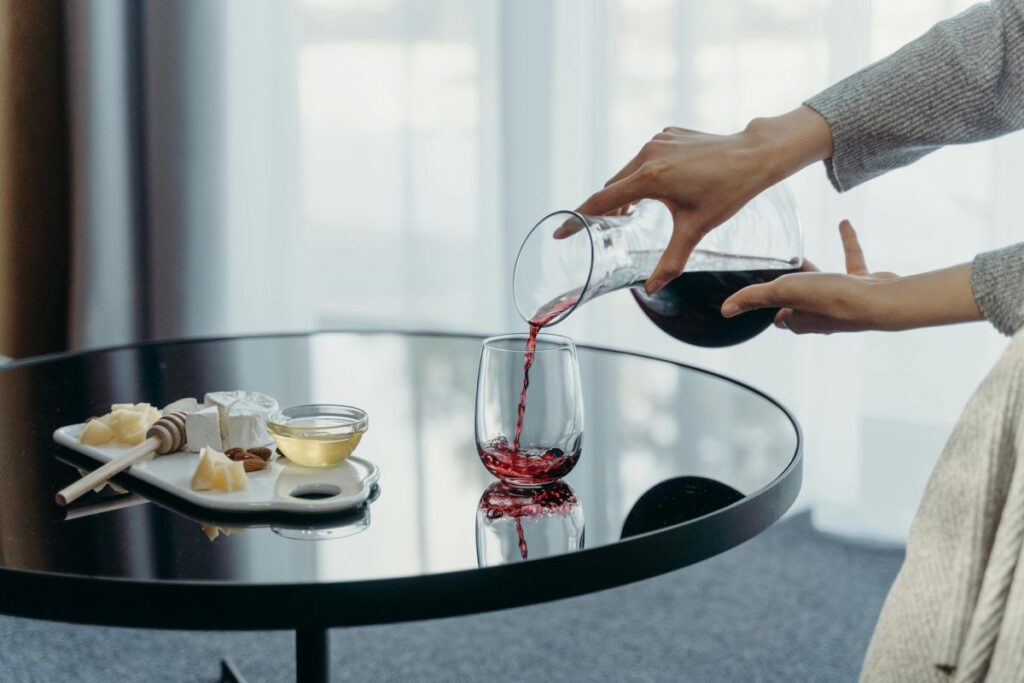
Stemless wine glasses look smart on a dinner table, are harder to break and easier to store. The trade-off is that your hand warms the wine, and they don’t feel quite as elegant to drink from. Fine for a weeknight, less ideal for something special.
What about Paris goblets?
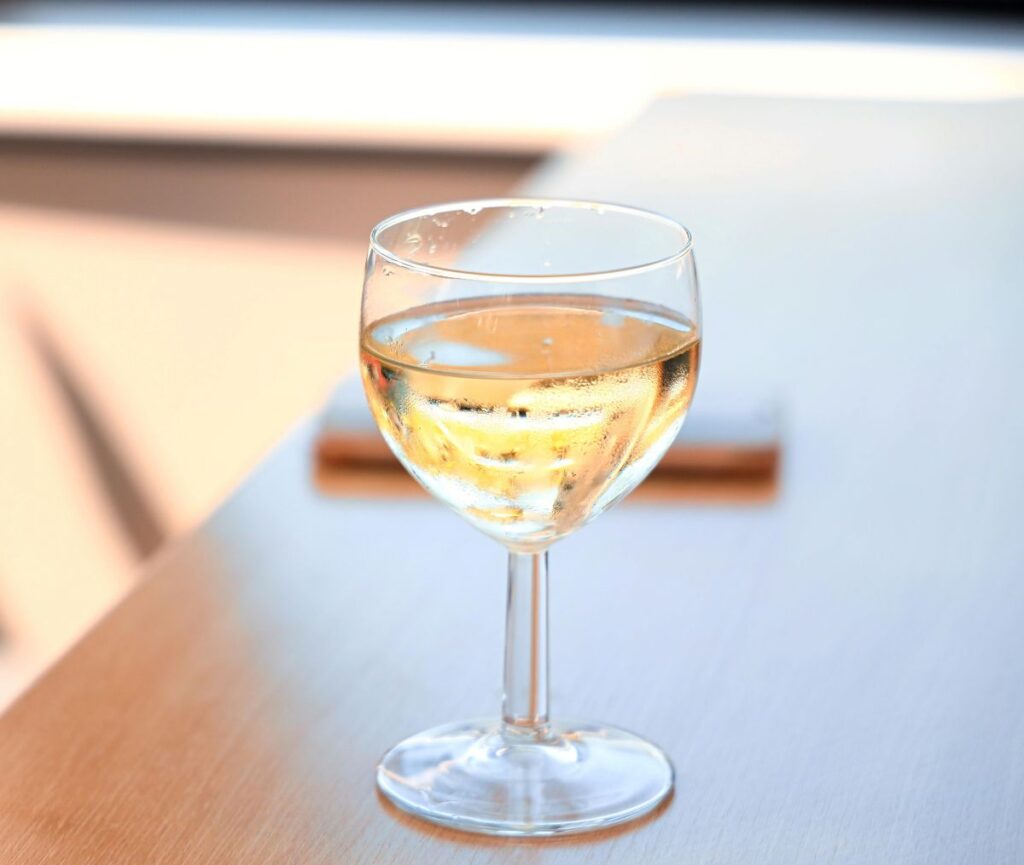
Paris goblets are the round-bowled, thick, stemmed glasses you’ll find in most pubs, cafés and event hire kits across the UK. They’re sturdy, stackable, dishwasher-safe and inexpensive, which is why caterers love them.
Wine experts are divided on them, and have been for decades. As far back as 1985, wine writer Hugh Johnson called them “not far short of ideal for either burgundy or claret”, as noted by The Guardian. The Wine & Spirit Education Trust historically listed Paris goblets alongside the ISO tasting glass as a suitable shape for serious wine tasting — they meet the two basic criteria of a good wine glass: a stem (so your hand doesn’t warm the wine) and a slight taper at the rim (so the aromas concentrate at your nose).
In contrast, Riedel’s UK Brand Ambassador, speaking to Christie’s, notes that the Paris goblet is “a heavy pub glass with a horrible rolled rim”, which works against the wine by sending it to the wrong area of the palate (Christie’s, 2024).
A useful rule of thumb: save Paris goblets for casual occasions and use proper wine glasses for anything you’d describe as a “good bottle”. They’re also a sensible choice for outdoor drinking, garden parties and BBQs, where a £30 crystal glass would be heartbreaking to break.
Sizes typically range from around 175ml (a small white wine pour) to 340ml (a generous red). The 250ml size is the most versatile if you’re buying a set for hosting.
One glass or several?
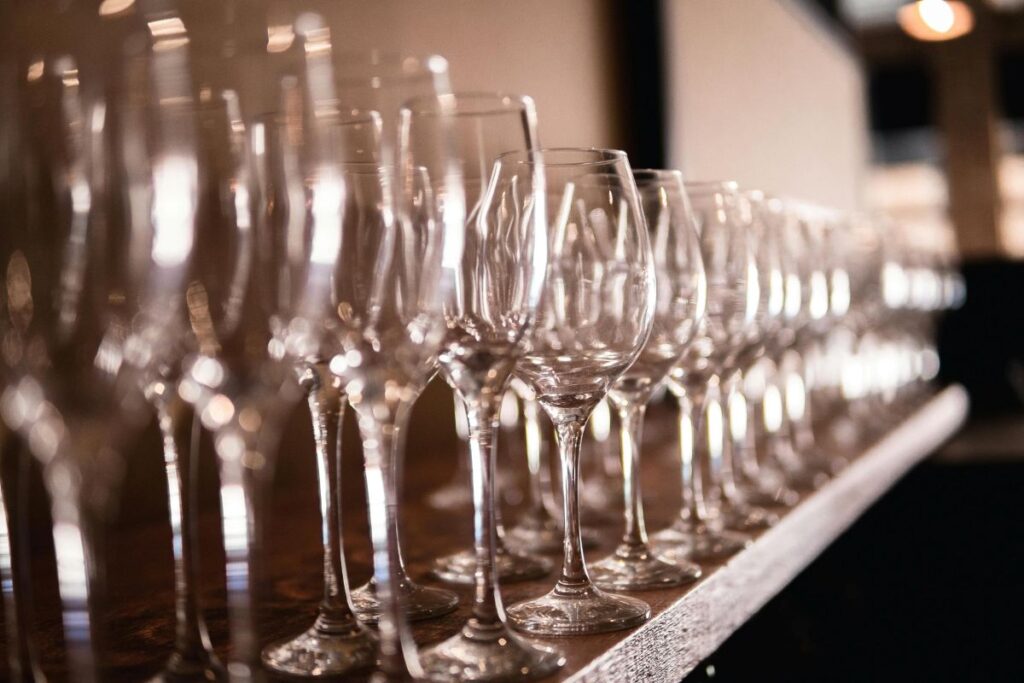
The wine writer Jancis Robinson designed a single all-purpose glass with the designer Richard Brendon a few years ago, on the basis that one good shape covers nearly every wine (World of Fine Wine, 2024). Most wine experts now agree you don’t need a cupboard full of different shapes — one good universal glass and a set of flutes will see you through.
Do wine glasses make wine taste better?
Yes — up to a point.
A proper wine glass makes wine taste better than a tumbler. A thin rim, the right-sized bowl, and a stem all genuinely help. Beyond that, the difference between a £15 wine glass and a £150 hand-blown one is real but small, and most people won’t notice it.
What matters more than the price of the glass:
- Serving the wine at the right temperature (whites cold, reds at cool room temperature, around 16–18°C)
- Pouring the right amount — a third of the way up the glass, not to the brim, so the wine has space to release its aroma
- Using a clean glass with no detergent residue or dust
If you’d like the full method on getting the most out of a glass of wine, our piece on how to taste wine walks through it step by step. There’s also a guide on how to drink wine like a professional if you want to look the part at a dinner.
How many wine glasses do you actually need at home?
Honestly? Six of one, good, all-purpose shape will see you through most occasions for your home wine bar. If you drink a lot of fizz, add four flutes. If you regularly host bigger dinners, double up.
A sensible starter set looks like this:
- 6 medium wine glasses (good for red, white and rosé)
- 4 tulip flute sparkling wine glasses
- 2 small dessert/port glasses (only if you drink them)
That’s it. You don’t need a separate set for every grape variety.
Hosting a dinner party: glassware basics
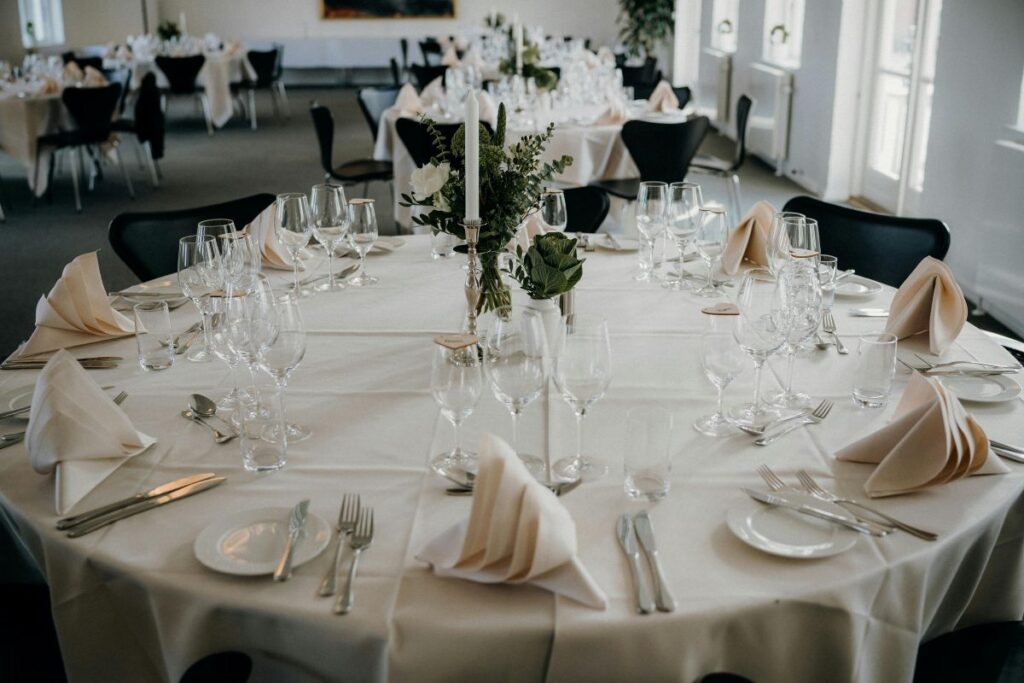
If you’re setting a table for guests, a few simple rules will make everything look right without any fuss.
Set out one glass per wine you’ll be serving. If you’re pouring a white with the starter and a red with the main, each guest gets two glasses. Sparkling on arrival? Add a third.
Place glasses above the knife on the right. From left to right: water glass, white wine glass, red wine glass. The hosting etiquette guide from Waterford Glass covers the full layout if you want to be properly correct.
Pour a third of the way up. It looks more elegant, and the wine actually gets to breathe.
Have a jug of water on the table. People drink less wine than you think and more water than you expect.
If you’re serving English sparkling wine on arrival, chill it for at least three hours in the fridge before guests arrive — not in the freezer.
How to clean wine glasses
This is the bit nobody enjoys, but everybody asks about.
Do wine glasses go in the dishwasher?
Most modern wine glasses are dishwasher safe. The label or box will usually say. Hand-blown crystal and very thin glasses are not — they can crack from heat and knock against each other in the rack.
A few rules if you do put them in the dishwasher:
- Use a low-temperature or glassware cycle
- Use half the usual amount of detergent (too much leaves a film on the glass that affects the taste of the wine)
- Don’t let glasses touch each other in the rack
- Skip the rinse aid — it can leave a residue
Hand-washing wine glasses
For nicer glasses, hand-washing is safer. Use hot water and a tiny amount of washing-up liquid. Rinse twice with hot water — the first to remove soap, the second to get the glass really clean. Dry with a clean linen tea towel rather than letting them air-dry, which leaves watermarks.
The trick most people miss: hold the bowl when you wash, not the stem. Stems snap when you twist them.
How to store wine glasses
There are two schools of thought: rim up or rim down.
- Rim up is what most experts now recommend. It avoids trapping stale air inside the bowl and stops the rim (the most fragile part of the glass) from being squashed against a shelf.
- Rim down keeps dust out of the bowl. Fine if your shelf is clean and lined.
If you don’t use your glasses every week, store them rim up and rinse them out before using. Even a clean cupboard can leave a faint smell in a glass that has sat unused for months.
Keep wine glasses away from strong-smelling foods (onions, spices, cleaning products) — the bowl picks up smells more than you’d think.
Learn more on a guided wine tour
The best way to understand which wine suits which glass is to taste them side by side. We run guided wine and vineyard tours at Bolney Wine Estate in West Sussex, where you can try our English wines in the right glassware and see why the shape actually makes a difference.
Book a tour at Bolney Wine Estate →
FAQs
Should I use crystal or glass?
Crystal is finer, thinner and can refract light beautifully, but most modern crystal contains very small amounts of lead and shouldn’t be used to store wine for long periods (the European Food Safety Authority has guidance on this). For drinking, both are fine. Lead-free crystal exists and is excellent.
Why are some wine glasses so expensive?
Hand-blown glasses with very thin rims and precise bowl shapes are made by skilled people and cost more. The difference is real but small. A £20 glass is more than enough for most people.
Can I drink red wine from a white wine glass (or vice versa)?
Yes. The wine police are not going to come round. The flavour will be slightly different, but it’ll still be a perfectly nice glass of wine.
What’s the best wine glass for English sparkling wine?
For celebratory sparkling wine, prosecco or Champagne, a tulip-shaped flute or white wine glass is preferred. A tulip flute is wider than a traditional flute but not as wide as a white wine glass. Both a tulip flute and a white wine glass keep the bubbles going while letting the aromas come through.
How long do wine glasses last?
Forever, if you don’t break them. Replace any glass with a chip on the rim — it’s not safe to drink from.
Do I need to polish wine glasses?
For a dinner party, yes — a quick polish with a clean linen cloth removes water marks and fingerprints. For weeknight drinking, no.
Are stemless wine glasses OK?
Yes, especially for casual drinking. Just be aware that your hand will warm the wine up faster.