Account






How Long Does Wine Last Unopened?
Start exploring

Originally published 24 August 2022 · Last updated 4 August 2026
An unopened bottle of wine lasts far longer than most people expect. How long it lasts depends on the type of wine and how it is stored.
As a rough guide, here is how long unopened wine stays in good condition when stored well:
- White and rosé: 1 to 3 years
- Everyday red: 2 to 3 years
- Sparkling (non-vintage): 3 to 4 years
- Fortified, like port: decades
Fine wines built for ageing can go much longer still.
The date on a wine label points to when the wine is at its best, rather than a strict use-by date. Kept somewhere cool and dark, a sealed bottle can comfortably outlive that date. Left somewhere warm and bright, even a good wine can fade within months.
Below is a clear guide to how long each type of unopened wine lasts, how to store bottles so they keep their quality, and how to spot one that has turned. If you are topping up your collection, you can also browse our English red, white, rosé and sparkling wines.
Jump to a section
- Does Unopened Wine Go Off?
- What Decides How Long Unopened Wine Lasts?
- How Long Does Unopened Red Wine Last?
- How Long Does Unopened White Wine Last?
- How Long Does Unopened Rosé Wine Last?
- How Long Does Unopened Sparkling Wine Last?
- How Long Does Unopened Fortified Wine Last?
- Best Before, Vintage, or Neither: Reading the Date
- How Should You Store Unopened Wine?
- Should You Keep Unopened Wine in the Fridge?
- How to Tell if Unopened Wine Has Gone Bad
- Frequently Asked Questions
- Sources
Does Unopened Wine Go Off?
Unopened wine does not go off the way milk does, but it does not last forever either. A sealed bottle changes slowly over time. For a short while, that change can be an improvement, and then, past its best, the wine flattens and fades. Most wine is made to be enjoyed within a few years of the harvest rather than saved for decades.
Here is roughly how long each type of unopened wine stays in good condition when stored well.
| Type of wine | Typical unopened shelf life (stored well) | Good to know |
|---|---|---|
| Everyday red | 2 to 3 years | Higher tannin gives reds a natural head start |
| Age-worthy red | 10 years or more | Only wines built to age, stored in stable conditions |
| Everyday white | 1 to 3 years | Crisp, fresh styles are best drunk young |
| Rosé | 1 to 3 years | Made for freshness, rarely improved by keeping |
| Sparkling (non-vintage) | 3 to 4 years | Best for its fresh, lively character |
| Sparkling (vintage) | 5 to 10 years or more | Single-harvest wines with more structure to age |
| Fortified (port, sherry) | Decades | Extra alcohol and sugar act as preservatives |
These are guides for bottles that are sealed and stored well. Poor storage shortens every one of them. The next section explains why.
What Decides How Long Unopened Wine Lasts?
These are the factors that affect how long a bottle of wine lasts unopened:
- The wine itself: Tannin, acidity, sugar and alcohol all act as natural preservatives, so wines with more of them tend to last longer.
- Storage conditions: Heat, light, and temperature swings accelerate a wine’s decline, while a cool, dark, and steady spot slows it down.
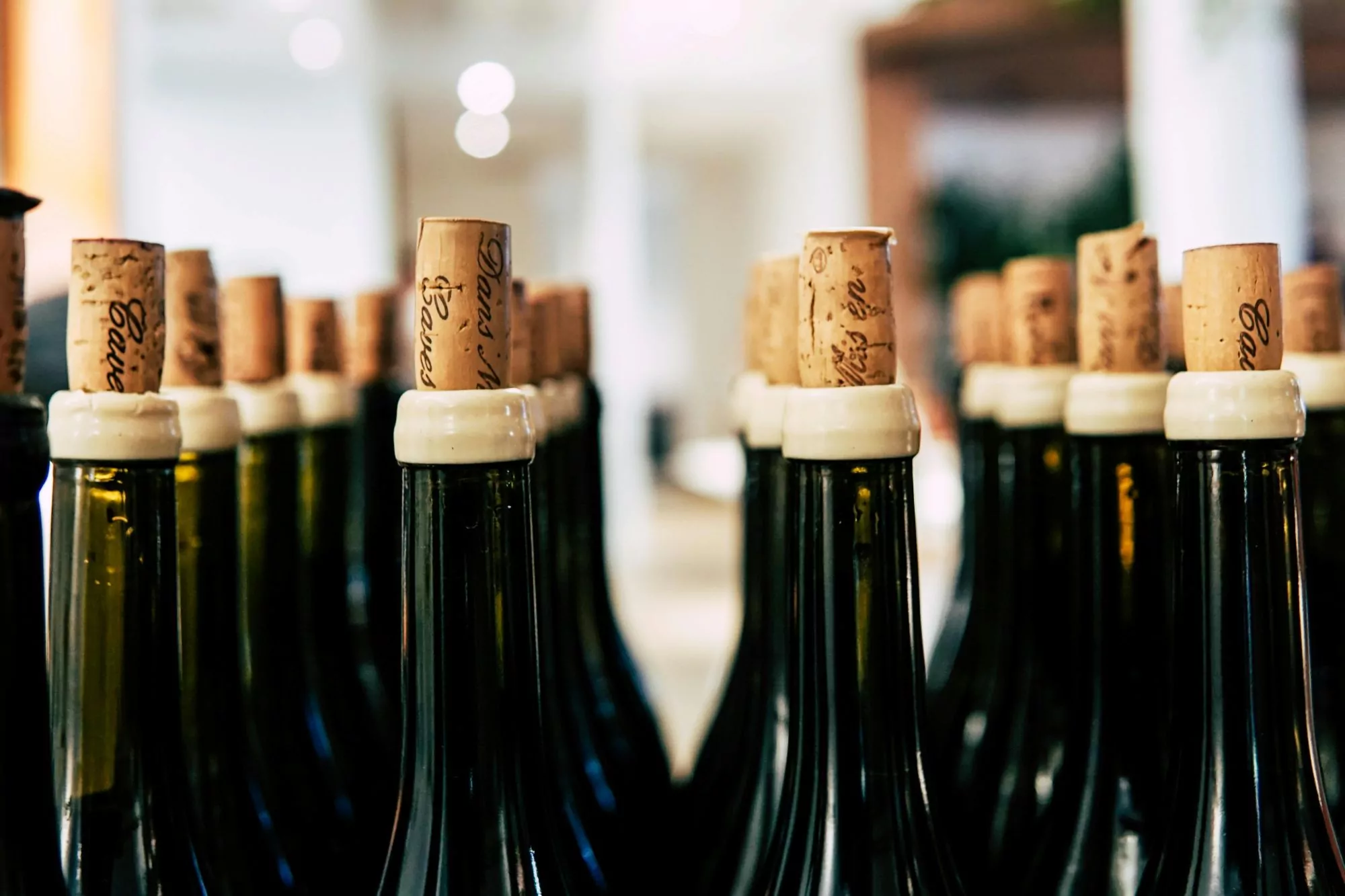
- The closure: A natural cork lets in a little air over time, which suits wines built to age, while a screw cap seals tighter and keeps fresh styles crisp.
The type of wine
Some wines are built to last longer than others. The components that slow a wine’s decline are tannin, acidity, sugar and alcohol. Wines with more of these tend to hold up for longer. According to wine writer Jancis Robinson, tannins act as antioxidants, mopping up the oxygen that slowly seeps into a bottle over time, which gives tannic red wines a natural advantage over whites when it comes to ageing.
Jargon explained: tannins
Tannins are natural compounds found in grape skins, seeds and stems. They create the dry, slightly grippy feeling you notice in a bold red wine, similar to strong stewed tea.
Acidity plays a similar protective role, especially in white wines. As Decanter explains, in red wines the polyphenols do most of the work, while in whites it is the acids that hold a wine together as it ages. High-acid whites like Riesling can therefore keep far longer than soft, low-acid styles.
Jargon explained: polyphenols
Polyphenols are a family of plant compounds in wine that includes tannins and the pigments that give red wine its colour. They help protect a wine from oxygen and shape how it ages.
How you store it
Storage matters just as much as the wine. Heat, light, and temperature swings all speed up the chemical changes that tire a wine out. A bottle kept somewhere cool, dark and steady will comfortably outlast the same bottle left on a sunny kitchen worktop. The storage section below covers the details.
The cork or cap
The closure affects how much air reaches the wine. A natural cork lets in a tiny trickle of oxygen over the years, which suits wines meant for long ageing. A screw cap seals much tighter, keeping fresh styles crisp. Neither closure is inherently better than the other, but each is useful for different wines.
How Long Does Unopened Red Wine Last?
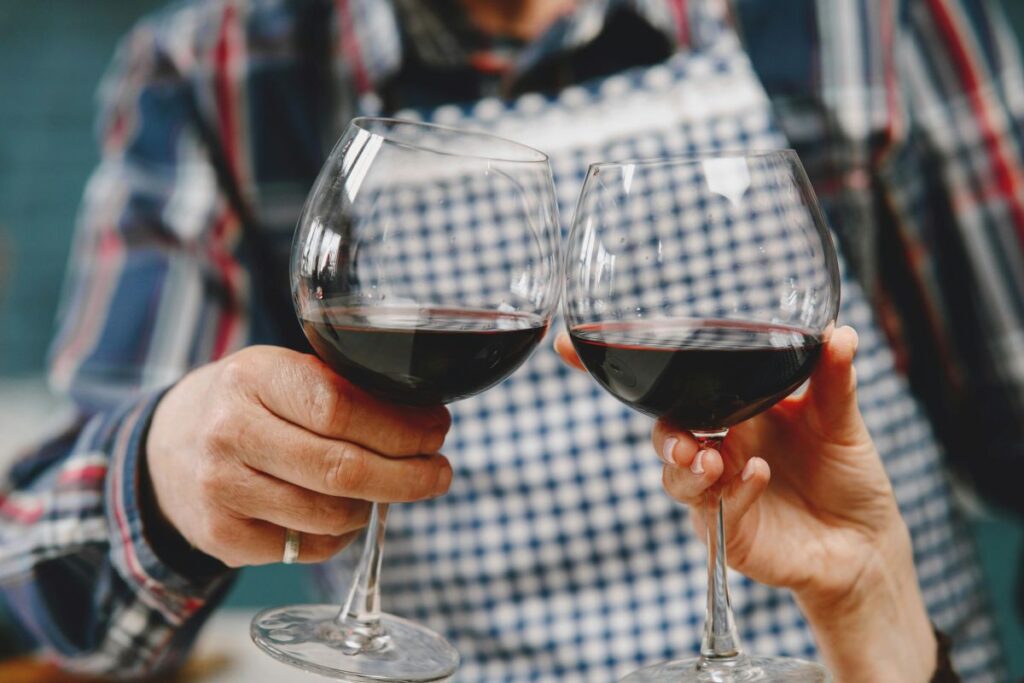
Most everyday unopened red wine stays in good condition for 2 to 3 years, and often a little longer. Red wine tends to keep better than white because of its higher tannin content. Research in the American Journal of Oenology and Viticulture notes that red wines contain more phenolic compounds than white wines, which allows them to tolerate oxygen better and supports a longer lifespan.
A small number of reds are built to age for a decade or more. These are usually wines with firm tannin, good acidity and concentration, kept in stable conditions. Most bottles on supermarket shelves are not made for this and are at their best within a few years of the harvest.
How Long Does Unopened White Wine Last?
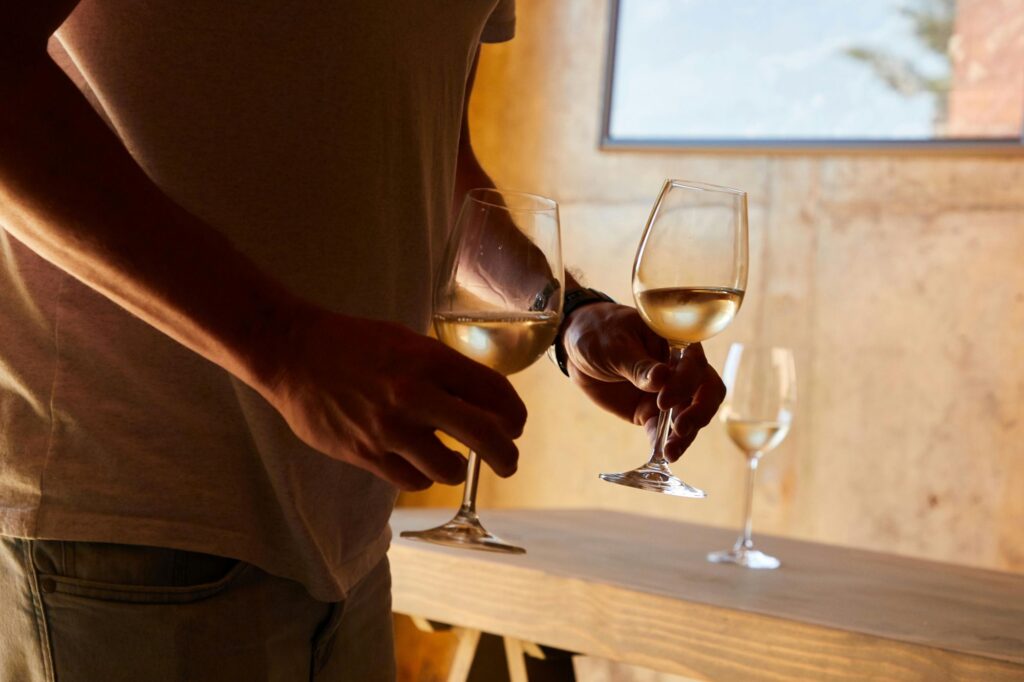
Most unopened white wine lasts 1 to 3 years, which is a little less than red. White wine has fewer tannins to protect it, so it leans on acidity instead. Fresh, zippy whites are meant to be enjoyed young, while a few high-acid styles can age much longer.
If you want the fullest, freshest flavour, drink white wine within a couple of years of buying it rather than holding on to it. When you are ready to open a bottle, remember that white wine is best served chilled, so put it in the fridge a day or two beforehand.
How Long Does Unopened Rosé Wine Last?
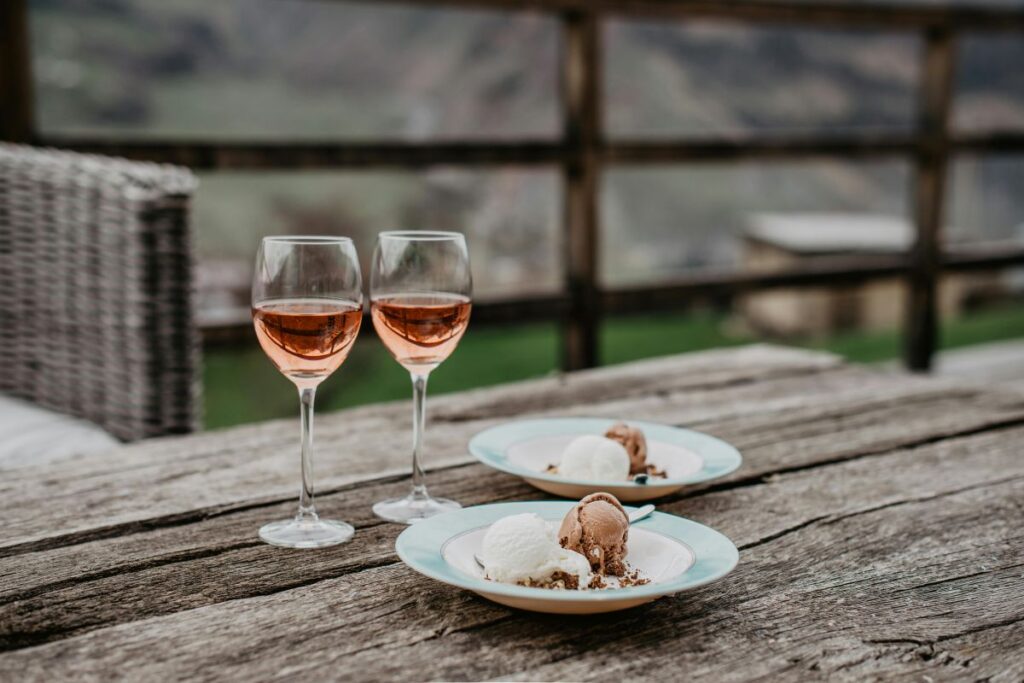
Unopened rosé wine is best within 1 to 3 years. Rosé is made for freshness and bright fruit, not for long keeping, so time rarely does it any favours. Pale, dry styles, in particular, are at their most appealing when young and lively.
The sooner you drink a rosé after buying it, the more you get from it.
How Long Does Unopened Sparkling Wine Last?
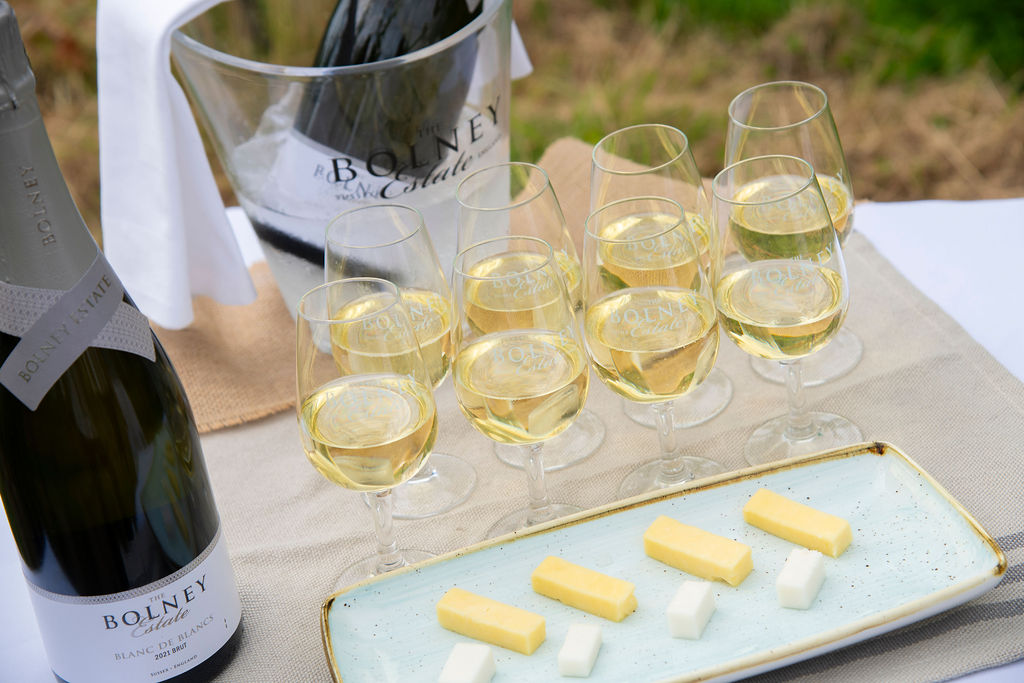
Unopened non-vintage sparkling wine keeps well for around 3 to 4 years, while vintage sparkling wine can last 5 to 10 years or more. The official Comité Champagne notes that every bottle is aged for at least 15 months before it is sold, so it is ready to drink and can be kept for several more years when stored at a constant 10 to 15°C.
Jargon explained: vintage
A vintage wine is made from grapes picked in a single named year, shown on the label. Non-vintage wine blends several years together for a consistent house style.
Most sparkling wine is made to show off its fresh, lively character, so there is little reason to hold on to a bottle for years. Vintage bottles have more structure and can reward a little patience, but even these change over time and slowly lose some of their sparkle. The traditional method gives these wines their fine, long-lasting bubbles, and the right storage before opening helps preserve them.
How Long Does Unopened Fortified Wine Last?
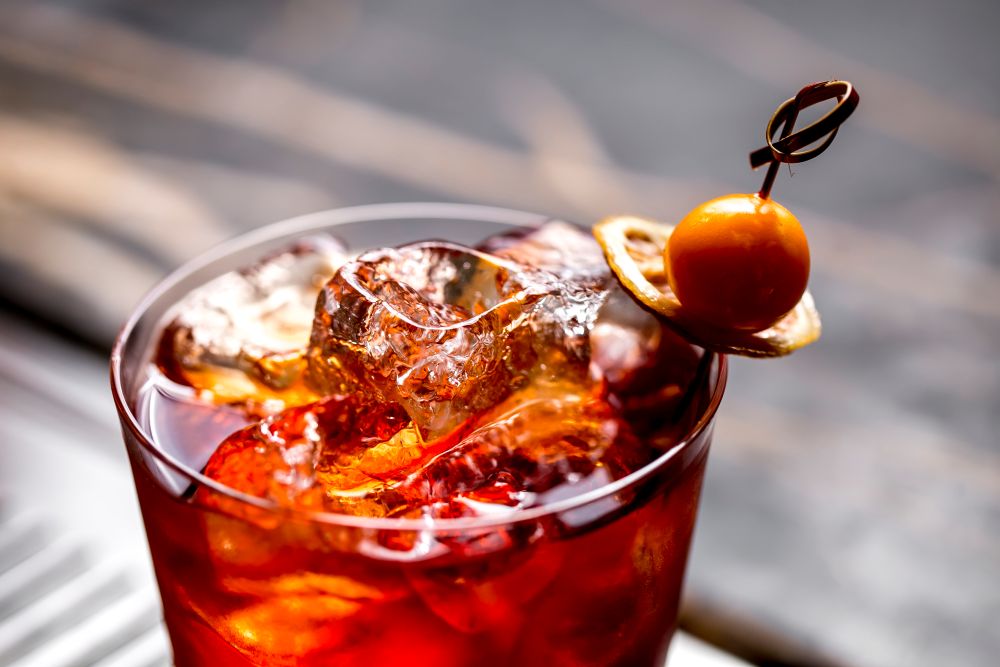
Unopened fortified wine, such as port or sherry, lasts a very long time, often for decades. Fortified wines have extra alcohol added during or after fermentation, along with plenty of residual sugar in the sweeter styles. Both act as natural preservatives, which is why these wines age so well.
Jargon explained: fortified wine
Fortified wine is wine with a grape spirit added to raise its strength. Port and sherry are the best-known examples, usually landing around 16 to 20 percent alcohol.
As Wine Folly explains, vintage port is designed to age for a very long time, with prized bottles lasting well over 100 years. Tawny, ruby and late-bottled vintage ports are made to drink on release and change little once sealed, so a bottle will taste much the same in 10 years as it does today. Their high alcohol content and residual sugar are what allow fortified wines to keep for so long.
Best Before, Vintage, or Neither: Reading the Date
Wine rarely carries a firm expiry date. Instead, most bottles show a vintage year, and that is the most useful clue to a wine’s age. The vintage is the year the grapes were harvested, so counting forward from it roughly tells you how old the wine is and how it compares to the shelf-life guides above.
Jargon explained: drinking window
A drinking window is the span of time over which a wine is expected to taste its best. Some wines have a wide window of many years, while others are best enjoyed soon after release.
If there is no vintage on the label, the bottle is likely a non-vintage blend made for consistency and early drinking. In that case, treat it as a wine to enjoy within a few years of buying rather than one to keep. Either way, read the label as a guide, not a deadline. A well-stored bottle can be lovely past the suggested window, and a badly stored one can disappoint well inside it.
How Should You Store Unopened Wine?
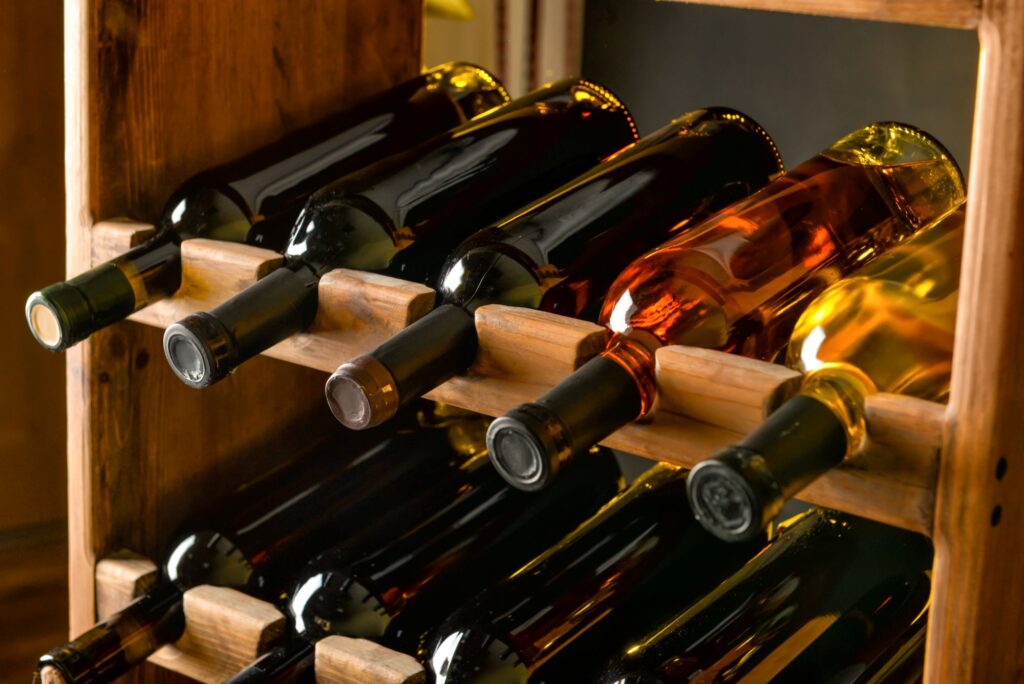
Store unopened wine somewhere cool, dark, and steady, with the bottle laid on its side if it has a cork. Good storage is the single biggest thing you can control to make wine last. The good news is, you don’t need a cellar. A cupboard away from heat and light will do the job for most bottles you plan to drink over the next few years.
These are the storage conditions that matter most:
- Temperature: Aim for a steady, cool spot, ideally around 10-15°C. Heat does the real damage: the Australian Wine Research Institute reports that wine kept at 30°C can develop faulty flavours within 12 months, and above 40°C changes can appear within days. Steady beats cold, and sudden swings do more harm than a slightly warm average.
- Darkness: Keep bottles out of direct sunlight. UV light prematurely ages wine, which is one reason so many bottles are made from tinted glass, working like sunglasses for the wine.
- Humidity: A little moisture in the air keeps corks from drying out. Anywhere between 50 and 80% humidity is considered safe for storage.
- On its side: Corked bottles are traditionally laid down so the wine stays in contact with the cork, helping it stay damp and sealed. Screw-cap bottles can stand upright with no worries.
- Stillness: Keep bottles in a place where they will not be constantly knocked or vibrated, as this can disturb wine over time.
Should You Keep Unopened Wine in the Fridge?
A normal kitchen fridge is not the place to store unopened wine long term. It runs colder than wine wants for keeping, the air is dry, which can dry out corks over months, and the constant hum brings vibration. For a bottle you are saving, a cool cupboard or a designated home wine bar is a better home than the fridge.
The fridge is for chilling, not storing. Move white, rosé and sparkling wines in a day or two before you want to drink them, so they are cold and fresh when you open them. Reds are usually served at cool room temperature, though many suit a short spell in the fridge to bring them down a touch on a warm day.
How to Tell if Unopened Wine Has Gone Bad
You can usually tell if an unopened wine has gone bad by looking at it, then smelling and tasting it once opened. Wine that has turned tends to smell sharp and vinegary, or dull and stale, and often looks browner than it should. A tiny sip will not harm you, so trust your senses.
Signs to watch for once you open a suspect bottle:
- Smell: A strong vinegar note indicates oxidation. A musty, wet-cardboard or damp-dog smell points to cork taint. Aromas of nail polish, burnt rubber or rotten eggs are all bad signs.
- Colour: Some colour change is natural with age, but a white wine turning deep yellow or brown, or a red turning dull and tawny before its time, suggests it has oxidised.
- Taste: Sour, sharp, or flat flavours mean the wine is past its prime. If it tastes like vinegar or cardboard, pour it away.
- Unexpected fizz: Small bubbles in a still wine can mean an unwanted second fermentation, so the wine has spoiled.
- The cork: A cork that is pushed up, leaking or badly discoloured hints that air or heat has got in.
Jargon explained: cork taint
Cork taint, also called being “corked”, is a musty, wet-cardboard fault caused by a compound known as TCA. It is harmless to drink but robs the wine of its aromas and flavour.
Cork taint is more common than many people realise. Wine Folly notes that some estimates put the share of TCA-affected wines at as high as 2% of all bottles sealed under natural cork. It is a fault of the cork or the winery, not something you did, and a corked bottle is not your fault or a sign of poor storage.
Taste it at its freshest
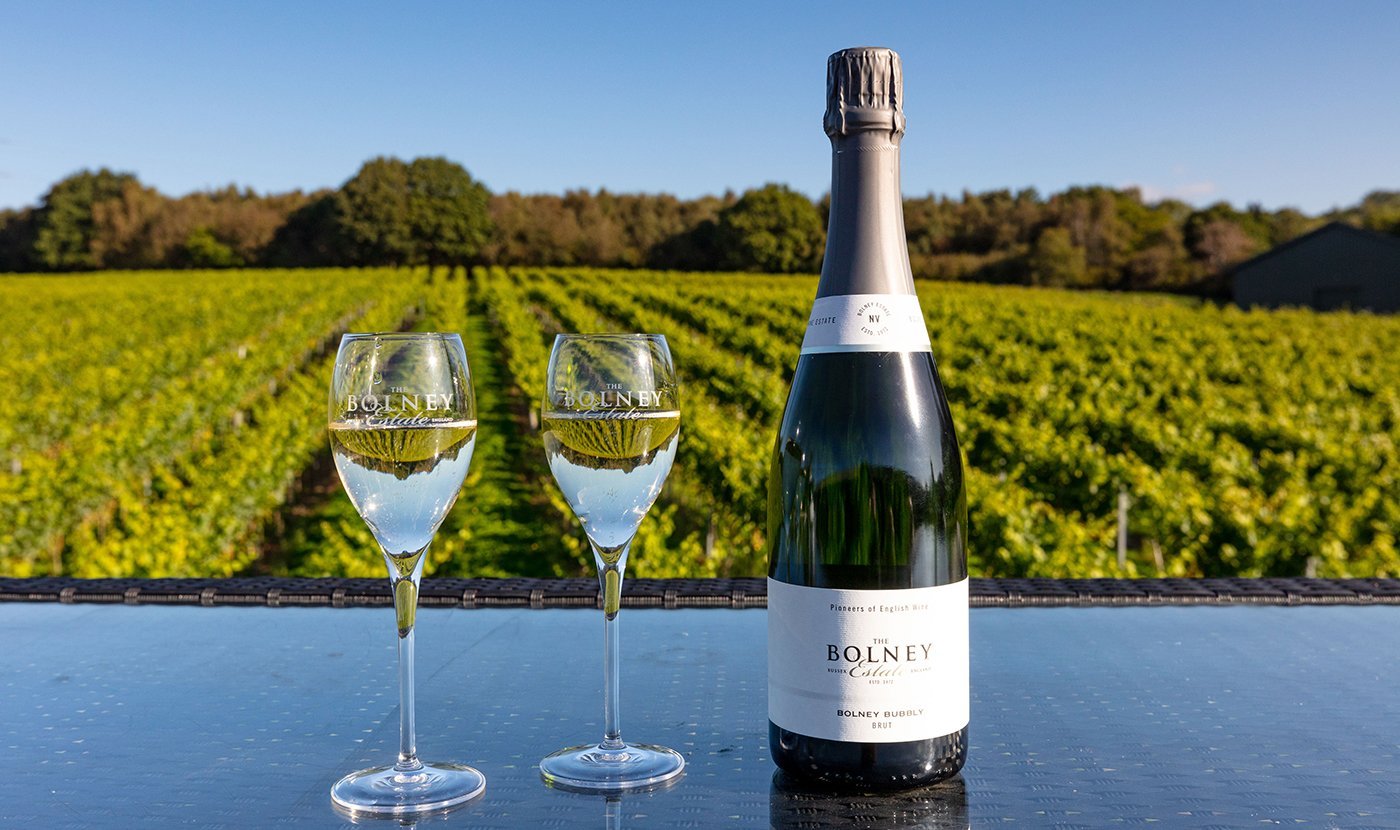
The surest way to enjoy any wine at its best is to taste it fresh, ideally where it is made. Come and try a range of English wines with us at Bolney Wine Estate in West Sussex, where we have been growing and making wine since 1972.
Frequently Asked Questions
Can you drink wine years past the date on the label?
Usually, yes. The date on a wine label is a suggested drinking window, not a safety expiry. A well-stored, unopened bottle can be perfectly enjoyable years past its vintage, though everyday styles are at their best within a few years of the vintage. Drinking old wine will not make you ill, even if it has faded in flavour.
Do champagne and sparkling wine go off?
Sparkling wine does not go off quickly, but it does have a shelf life. Non-vintage bottles are best within about 3 to 4 years, and vintage bottles can keep for 5 to 10 years or more when stored well. Over time, sparkling wine slowly loses fizz and freshness, so there is little point saving most bottles for years.
Does expensive wine last longer than cheap wine?
Not automatically. What matters is the wine’s make-up, meaning its tannin, acidity, sugar and alcohol, rather than its price. Some pricier wines are built to age, but plenty of good wines at every price are made for early drinking. Storage affects the outcome just as much as the bottle you started with.
How should I store wine if I do not have a wine rack or cellar?
A cool, dark cupboard away from the oven, radiators, and direct sunlight works well for most bottles you plan to drink within a few years. Lay corked bottles on their side and keep them somewhere the temperature stays fairly steady. That is all most everyday wine needs.
How many glasses will one bottle pour?
A standard 750ml bottle of wine yields around 6 glasses at a typical restaurant pour, though it varies depending on how generous the pour is.
Sources
- Jancis Robinson, “What happens to wine as it ages?”: tannins as antioxidants and why tannic reds have an ageing advantage.
- Decanter, “Unearthing the secrets of ageing”: polyphenols in reds and acids in whites as the keys to longevity.
- American Journal of Enology and Viticulture, “Oxidation of Wine Phenolics”: red wines hold more phenolics and tolerate oxygen better than whites (peer-reviewed).
- Australian Wine Research Institute, “The effects of heat and light on wine during storage”: how temperature and light affect stored wine.
- Comité Champagne, “Well stored, well protected!”: champagne ageing before release and ideal storage conditions.
- Wine Folly, “What is Port Wine?”: port styles and the long ageing potential of vintage port.
- Wine Folly, “7 Common Wine Faults”: cork taint (TCA) affecting roughly 2% of cork-sealed wine.