Account






Sparkling Wine: A Complete Guide To Styles, Methods & Food Pairings
Start exploring

Sparkling wine is wine that holds dissolved carbon dioxide, which is released as bubbles when the bottle is opened. It covers Champagne, English sparkling wine, Prosecco, Cava and Crémant, in styles ranging from dry to sweet. This guide explains how sparkling wine is made, what the main styles taste like, and how to choose, serve and store a bottle.
Sparkling wine has a reputation as a special-occasion drink, but there is no reason to save it for one. It is just as good with a midweek dinner as it is at a party.
This guide keeps things simple for anyone new to sparkling wine. If you are getting to know still wine too, our white wine guide and red wine guide are a good place to start.
Jump to a section
- What is sparkling wine?
- How is sparkling wine made?
- What do Brut, Extra Dry and Demi-Sec mean?
- Types of sparkling wine
- Why is English sparkling wine so good?
- How to describe sparkling wine
- Sparkling wine regions at a glance
- How many calories are in sparkling wine?
- What food goes with sparkling wine?
- How to choose sparkling wine
- Which sparkling wine suits which occasion?
- What glass is best for sparkling wine?
- What temperature should you serve sparkling wine?
- How to open a bottle of sparkling wine safely
- How to store sparkling wine and keep it fizzy
- What do vintage and non-vintage mean?
- Vegan, organic and low-alcohol sparkling wine
- Visit a vineyard to see how sparkling wine is made
- Frequently asked questions
- Sources
What Is Sparkling Wine?
Sparkling wine is wine that has bubbles. The bubbles come from carbon dioxide gas, produced by a second fermentation and trapped in the sealed bottle or tank. When you open it, that gas escapes as fizz. For a short explainer on the basics, see our guide to what sparkling wine is.
The pressure inside a full bottle of sparkling wine is high. A typical bottle holds around 5-6 atmospheres of pressure, more than twice the pressure in a car tyre, according to a peer-reviewed review of sparkling wine science in the journal Critical Reviews in Food Science and Nutrition.
That is why the glass is thick, the cork is held down by a wire cage, and the bottle opens with a pop.
In short, sparkling wine is:
- Wine with bubbles, made from a second fermentation
- Made from white or red grapes, or a blend of both
- Available in styles from very dry to sweet
- Usually served well chilled
- Sold under many names, including Champagne, Prosecco, Cava and English sparkling wine
Jargon explained: second fermentation
The first fermentation turns grape juice into a still base wine. A second fermentation is then started on purpose, and the carbon dioxide it produces is trapped to make the wine fizzy.
Worth knowing: England got there first
The English scientist Christopher Merrett described how to make wine sparkle in a paper to the Royal Society in 1662, several years before Dom Pérignon began his work in Champagne, as recorded by the Royal College of Physicians. For the fuller story, see who invented sparkling wine.
How Is Sparkling Wine Made?
Every sparkling wine starts as a still base wine. The bubbles are added afterwards, by triggering a second fermentation and capturing the gas. The method used to do this is the single biggest thing that sets one style apart from another. For a deeper look, see our guides on how sparkling wine is made and which sparkling wine method is best.
The traditional method
Used for: Champagne, English sparkling wine, Cava, Crémant, Franciacorta
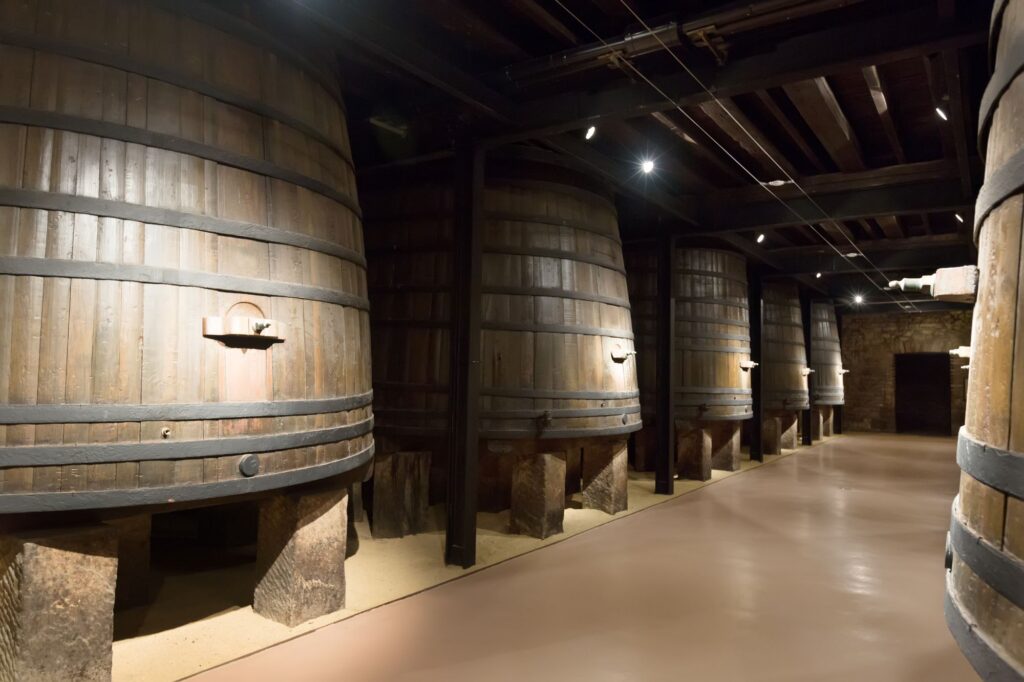
The traditional method creates the second fermentation inside each individual bottle. A little sugar and yeast are added, the bottle is sealed, and the fermentation produces bubbles and a fine, creamy texture. The wine then rests on its lees for months or years, which builds bready, biscuity flavours. This is the method behind the finest fizz, and it is more time-consuming and expensive than the alternatives.
Champagne must age for at least 15 months for non-vintage bottles and at least three years for vintage bottles, according to the Comité Champagne. Most producers age their wines for longer than the legal minimum.
Jargon explained: lees and autolysis
Lees are the dead yeast cells left after fermentation. Leaving the wine in contact with them, a process called autolysis, adds a creamy, bready, biscuit-like depth. It is a signature of traditional-method sparkling wine.
Jargon explained: disgorgement
After ageing, the lees are collected in the neck of the bottle, frozen into a plug, and fired out under pressure. This step, called disgorgement, leaves the wine clear before the final cork goes in.
The tank method (Charmat)
Used for: Prosecco and many everyday sparkling wines
The tank method, also called the Charmat method, runs the second fermentation in a large pressurised tank rather than in each bottle. The wine is then filtered and bottled under pressure. It is quicker and cheaper, and it keeps the wine fresh and fruity. This is why Prosecco tastes light, floral and easy-drinking rather than bready and complex.
The ancestral method (Pét-Nat)
Used for: Pétillant Naturel, a growing natural-wine style
The ancestral method is the oldest way to make sparkling wine. The wine is bottled before its first fermentation has finished, so the last of the bubbles form in the bottle with nothing added. The result, often labelled Pét-Nat, is usually softer in fizz, sometimes cloudy, and lively in a rustic way.
Carbonation
Used for: some inexpensive fizz
The cheapest sparkling wines are simply injected with carbon dioxide, the same way a fizzy drink is made. The bubbles tend to be large and fade fast. Traditional-method and tank-method wines get their fizz from fermentation instead, which produces finer, longer-lasting bubbles.
In England, the traditional method dominates. In 2023, sparkling wine made up about 76 per cent of UK wine production, and 91 per cent of that sparkling wine was made by the traditional method, according to Vinous.
What Do Brut, Extra Dry and Demi-Sec Mean?
The words on a sparkling wine label tell you how sweet it is. Sweetness is set by the dosage, a small amount of sugar added near the end of production. Most sparkling wine you meet is Brut, which means dry. For a closer look at these terms, see our guide to Brut, Extra Dry and Demi-Sec.
One quirk trips up almost everyone: Extra Dry is sweeter than Brut, not drier. The scale below runs from driest to sweetest, using the sugar figures published by the Comité Champagne.
| Label term | Sugar (grams per litre) | How it tastes |
|---|---|---|
| Brut Nature | 0 to 3 | Bone dry, no sugar added |
| Extra Brut | 0 to 6 | Very dry |
| Brut | Under 12 | Dry, the most common style |
| Extra Dry | 12 to 17 | Off-dry, a touch of sweetness |
| Sec | 17 to 32 | Noticeably sweet |
| Demi-Sec | 32 to 50 | Sweet, good with dessert |
| Doux | Over 50 | Very sweet, rare |
Jargon explained: dosage
Dosage is the small mix of wine and sugar added just before the final cork goes in. It balances the wine’s natural acidity and decides where a bottle sits on the sweetness scale.
A useful tip: because good sparkling wine has high acidity, even a Brut with a little sugar still tastes dry. The sugar rounds out the wine’s sharpness rather than making it taste sweet.
Types of Sparkling Wine
Most sparkling wines are named after where they come from rather than the grape. The table below covers the ones you are most likely to see on a UK shelf, wine list or vineyard shop.
| Name | Where from | Method | Typical style |
|---|---|---|---|
| Champagne | Champagne, France | Traditional | Toasty, creamy, complex |
| English sparkling | Sussex, Kent, Hampshire | Traditional | Crisp, high acid, fine bubble |
| Prosecco | Veneto, Italy | Tank (Charmat) | Light, fruity, floral |
| Cava | Mainly Catalonia, Spain | Traditional | Apple, citrus, slightly earthy |
| Crémant | Alsace, Loire, Burgundy | Traditional | Dry, good value |
| Franciacorta | Lombardy, Italy | Traditional | Rich, refined |
| Sekt | Germany, Austria | Tank or traditional | Often Riesling, aromatic |
| Cap Classique | South Africa | Traditional | Dry, fruit-forward |
Champagne
Champagne is a sparkling wine made in the Champagne region of France by the traditional method, from Chardonnay, Pinot Noir and Pinot Meunier. It is toasty, creamy, and complex, and it is the benchmark against which other sparkling wines are measured. Only wine from that region can carry the name. For more, see our guide to what Champagne is.
Prosecco
Prosecco is an Italian sparkling wine made mainly from the Glera grape by the tank method. That keeps it light, fruity and floral, with notes of pear and green apple. It is softer and less complex than Champagne, and usually cheaper. Yes, Prosecco is a sparkling wine, as our guide on ‘is Prosecco sparkling wine?‘ explains.
Cava
Cava is a Spanish sparkling wine, mostly from Catalonia, made by the traditional method from local grapes such as Macabeo, Xarel·lo, and Parellada. It is dry and often excellent value, with apple, citrus and a slightly earthy character. Learn more in our guide to what Cava is.
Crémant, Franciacorta and Sekt
Crémant is a traditional-method French fizz made outside Champagne, from regions such as Alsace, the Loire and Burgundy, and it is often good value. Decanter explains how Crémant compares to Champagne. Franciacorta is Italy’s answer to Champagne, a rich traditional-method wine from Lombardy. Sekt is a German and Austrian sparkling wine, sometimes made from Riesling, ranging from simple to serious.
Sparkling rosé and sparkling red
Sparkling rosé wine gets its colour from a short time in contact with red grape skins, or, in the case of rosé Champagne, from blending in a little still red wine, as Wine Enthusiast describes. It ranges from pale and delicate to fuller and fruitier. Sparkling red is less common: think Italian Lambrusco, with dark berry fruit and a savoury edge, often served slightly chilled. Wine Enthusiast has a wider guide to sparkling red wines from around the world.
Jargon explained: Blanc de Blancs and Blanc de Noirs
Blanc de Blancs means the wine is made only from white grapes, usually Chardonnay, and tends to be crisp and citrus-led. Blanc de Noirs means it is made from red grapes pressed gently for clear juice, giving more body.
Jargon explained: cuvée
Cuvée usually refers to a specific blend or batch a producer has put together. A “prestige cuvée” is a house’s top wine. See our guide to what cuvée means.
Why Is English Sparkling Wine So Good?
English sparkling wine is good because southern England has the right cool climate and soils to produce it. The chalk and greensand of counties such as Sussex, Kent and Hampshire share the same band of Upper Cretaceous chalk that runs under Champagne, as explained by World of Fine Wine, and the cool ripening keeps acidity high, which is exactly what fine sparkling wine needs.
Most English sparkling wine is made by the traditional method, from the classic Champagne grapes Chardonnay, Pinot Noir and Pinot Meunier. It is bright, fresh and finely bubbled, with green apple, citrus and, with age, a bready depth. English sparkling wine has beaten leading Champagnes in blind judging at the Decanter World Wine Awards, the world’s largest wine competition, as Decanter reported.
English wine has grown fast:
- The UK surpassed 1,000 vineyards in 2024, with 4,209 hectares under vine, according to WineGB.
- Sales of sparkling wine rose 187 per cent between 2018 and 2023, according to WineGB.
- Sparkling wine accounted for about 76 per cent of UK production in 2023, most of it made by the traditional method, according to Vinous.
Champagne houses have taken notice too, with several now planting their own vineyards in southern England, a clear vote of confidence in the region.

How to Describe Sparkling Wine
Describing sparkling wine comes down to four things: the bubbles, the acidity, the sweetness and the fruit. Start with the fizz, then work through the flavours. For a wider vocabulary, see our guide to wine terms for beginners.
Bubbles (the mousse)
Fine, small, long-lasting bubbles are a mark of quality and usually point to the traditional method. Large bubbles that fade quickly suggest a cheaper wine. The soft foam that rises when you pour is called the mousse.
Acidity
Acidity is the freshness that makes your mouth water. Sparkling wine needs plenty of it, which is why cool-climate wines from England, Champagne and northern Europe make such good fizz.
Fruit and other flavours
Common notes to look for include:
- Citrus and orchard fruit: lemon, green apple, pear (English sparkling, Champagne, Cava)
- Bready and biscuity: brioche, toast, pastry, from long ageing on the lees
- Floral and stone fruit: blossom, peach (Prosecco, aromatic styles)
- Red fruit: strawberry, raspberry (sparkling rosé)
Jargon explained: mousse
Mousse is the froth and the feel of the bubbles as you drink. A creamy, fine mousse is prized. A harsh, foamy one is not.
Sparkling Wine Regions at a Glance
The regions below account for most of the sparkling wine sold in the UK, arranged roughly from coolest to warmest climates.
| Region | Wine | Typical style |
|---|---|---|
| South of England | English sparkling wine | Crisp, high acid, fine bubble |
| Champagne, France | Champagne | Toasty, creamy, complex |
| Germany | Sekt | Aromatic, often Riesling |
| Loire and Alsace | Crémant | Dry, good value |
| Catalonia, Spain | Cava | Apple, citrus, earthy |
| Veneto, Italy | Prosecco | Light, fruity, floral |
| Lombardy, Italy | Franciacorta | Rich, refined |
| South Africa | Cap Classique | Dry, fruit-forward |
How Many Calories Are in Sparkling Wine?
Most of the calories in sparkling wine come from the alcohol, with a little extra from any sugar. A dry Brut is at the lower end. Sweeter styles have more. A typical 125ml glass of Champagne, Prosecco or Cava at around 12 per cent alcohol contains roughly 1.5 units, according to Drinkaware.
| Style | Small glass (125ml) | Bottle (750ml) |
|---|---|---|
| Brut (dry) | Approx. 80 to 90 kcal | Approx. 480 to 540 kcal |
| Off-dry (Extra Dry) | Approx. 90 to 110 kcal | Approx. 540 to 620 kcal |
| Sweet (Demi-Sec) | Approx. 110 to 140 kcal | Approx. 650 to 800 kcal |
These figures are approximate and vary with alcohol level and sweetness. The UK Chief Medical Officers advise no more than 14 units of alcohol a week, spread over at least three days, as Drinkaware notes. Choosing a Brut Nature, Extra Brut, or lower-alcohol sparkling wine keeps both calories and units down.
What Food Goes With Sparkling Wine?
Sparkling wine is one of the most flexible food partners at the table. Its acidity cuts through fat, and the bubbles refresh the palate, which is why it works so well with salty, fried and creamy dishes. For the wider principles, see our beginner’s guide to food and wine pairing.
| Food | Sparkling style | Why it works |
|---|---|---|
| Oysters, smoked salmon | Brut English sparkling, Blanc de Blancs | Crisp acidity echoes the sea |
| Fish and chips, fried food | Champagne, Cava, Crémant | Bubbles cut through the grease |
| Roast chicken | Vintage Champagne, richer English sparkling | Bready depth matches the meat |
| Canapés and party food | Prosecco, Brut Cava | Light and easy alongside nibbles |
| Spicy Thai or Indian | Off-dry Prosecco, Demi-Sec | A touch of sweetness cools the heat |
| Strawberries, fruit tart | Sparkling rosé, Demi-Sec | Red fruit and gentle sweetness match dessert |
What cheese goes with sparkling wine?
Brie and Camembert are natural partners for a Brut English sparkling wine or Blanc de Blancs, as the acidity cuts the cream. A dry Cava suits hard cheeses such as Manchego, and a Demi-Sec works with a salty blue.
How to Choose Sparkling Wine
A few quick questions narrow the field fast. For a full walkthrough, see our guide to choosing sparkling wine.
- Dry or sweeter? For dry, look for Brut. For a little sweetness, Extra Dry or Demi-Sec.
- Light or complex? For light and fruity, choose Prosecco. For bready and complex, choose a traditional-method wine such as Champagne, English sparkling or Cava.
- What are you eating? Match lighter fizz with lighter food, and richer fizz with richer dishes.
- What is the occasion? A crowd-pleasing party calls for value fizz. A celebration or gift suits a vintage bottle.
- Budget? Good Prosecco and Cava start at around £10-£15. Estate-bottled English sparkling wine typically sits in the £25-£40 range, reflecting the traditional method and years of ageing.
Which Sparkling Wine Suits Which Occasion?
The right bottle depends less on price and more on the moment. As a rough guide, match lighter, fruitier fizz to relaxed gatherings, and richer traditional-method wine to occasions where the wine is part of the event. Our guide on what to look for when buying wine goes further.
For a celebration or a gift: vintage traditional method
Best for: weddings, big birthdays, anniversaries, generous gifts
A vintage Champagne or vintage English sparkling wine carries the depth and prestige a milestone calls for. These wines are made only in the better years, so they feel like an occasion in themselves.
For a party or a crowd: value tank method
Best for: garden parties, receptions, large groups
Prosecco and Brut Cava are light, easy to drink and kind to a budget when you are pouring for many people. They keep things fresh and celebratory without the higher price of Champagne.
For a dinner: a richer traditional method
Best for: a meal where the wine matters as much as the food
A fuller Champagne, English sparkling wine, or Franciacorta has the body and bready depth to pair well with a hearty meal, from roast chicken to creamy pasta.
For a toast or an aperitif: a crisp Brut or sparkling rosé
Best for: New Year, christenings, pre-dinner drinks and canapés
A dry, crisp Brut or a sparkling rosé is refreshing and versatile, ideal for a welcome drink or a quick toast before everyone sits down.
What Glass Is Best for Sparkling Wine?
A tulip-shaped glass is the best all-round choice for sparkling wine. It holds the bubbles and gathers the aroma at the same time. The tall, thin flute looks elegant and shows off the bubbles, but it can trap the scent, whereas the wide coupe lets both the fizz and the aroma escape quickly, as Wine Enthusiast notes. For more detail, see our guide to the best glasses for sparkling wine.
| Glass | Best for |
|---|---|
| Tulip | Every day and fine sparkling: keeps the fizz and shows the aroma |
| Flute | Parties and toasts: shows the bubbles, less aroma |
| Coupe | Vintage cocktail look: bubbles fade quickly in the wide bowl |
| White wine glass | Rich, mature fizz: room to release complex aromas |
A tip: one good tulip glass is all you need to start. It handles almost any sparkling wine well.
What Temperature Should You Serve Sparkling Wine?
Serve sparkling wine cold, but not freezing. Around 6-10°C is the sweet spot. Too cold, and the aromas disappear. A little warmth lets a good wine show its flavour. For more on serving, see our guide on how to drink sparkling wine.
| Style | Serving temperature |
|---|---|
| Prosecco, Cava, everyday fizz | 6 to 8°C |
| Champagne, English sparkling | 8 to 10°C |
| Vintage and richer traditional method | 10 to 12°C |
Chill a bottle in the fridge for about three hours before serving, or 20 to 30 minutes in a bucket of ice and water. Ice and water together chill faster and more evenly than ice alone.
How to Open a Bottle of Sparkling Wine Safely
Open sparkling wine with a gentle twist, not a loud bang. Hold the cork still and turn the bottle, easing the cork out slowly so it releases with a soft sigh rather than a flying pop. A launched cork can cause injury, so keep the bottle pointed away from people. See our step-by-step guide on how to open a bottle of sparkling wine.
The safe way, step by step:
- Chill the bottle first. Cold wine is calmer and less likely to gush.
- Remove the foil and loosen the wire cage, keeping a thumb over the cork.
- Hold the cork and turn the bottle at its base, not the cork.
- Ease the cork out slowly at a slight angle until it releases quietly.
A quiet opening keeps more bubbles in the wine. The theatrical pop looks fun but loses fizz and pressure. Not every sparkling wine pops the same way, either, as our piece on “Does sparkling wine pop like Champagne” explains, since pressure varies by style.
How to Store Sparkling Wine and Keep It Fizzy
Store sparkling wine somewhere cool, dark and steady, and drink most bottles young. Once open, seal it with a proper sparkling wine stopper to hold the fizz. For the full picture, see our guides on how to store sparkling wine and how long a bottle lasts unopened.
Storing an unopened bottle
- Cool: around 10-15°C is ideal, away from warm spots and large temperature swings.
- Dark: light spoils sparkling wine over time, so keep it out of sunlight.
- Steady: avoid vibration and strong smells, which can affect the wine.
Keeping an open bottle fizzy
A proper sparkling wine stopper clamps over the neck and holds the pressure, so an open bottle can keep its bubbles in the fridge for a day or two. The old trick of a teaspoon in the neck does not work. Our guide on how to recork sparkling wine covers the right way to reseal it.
Does sparkling wine go off? An unopened bottle stored well keeps for a long time, though most non-vintage fizz is best drunk within a few years. Once open, it loses its bubbles rather than turning dangerous. For the details, see our guide on “Does sparkling wine go off?”
What Do Vintage and Non-Vintage Mean?
Vintage sparkling wine is made from the grapes of a single year, and that year is printed on the label. Non-vintage wine, marked NV, is blended from several vintages to maintain a house style. A wine’s vintage simply tells you which year the grapes were picked, as Decanter explains. Most sparkling wine is non-vintage. Vintage bottles are made only in the better years and are usually pricier and more complex.
Jargon explained: non-vintage (NV)
A non-vintage sparkling wine blends wine from more than one harvest. This lets a producer make the same reliable style every year, evening out the differences between warm and cool seasons.
Vegan, Organic and Low-Alcohol Sparkling Wine
These labels are growing fast in UK shops, and sparkling wine is where many people first notice them.
- Organic: made from grapes grown without synthetic pesticides or fertilisers, with tighter limits on added sulphites. In the UK, look for the Soil Association organic symbol.
- Vegan: many wines are clarified with animal-derived fining agents such as egg white, casein, gelatin or isinglass, as Club Oenologique explains. Vegan sparkling wine uses plant or mineral alternatives instead of, or skips fining altogether. The Vegan Society sunflower logo is the clearest mark to look for.
- Low- and no-alcohol: lighter sparkling wines and alcohol-free versions made by removing alcohol after fermentation are a fast-growing choice for anyone cutting back.
Visit a Vineyard to See How Sparkling Wine Is Made
The quickest way to understand sparkling wine is to see it made. An afternoon at a vineyard shows you far more than any label can. A typical visit might include:
- A walk through the vines with an explanation of the grapes and soils
- A look inside the winery at how the wine is pressed, fermented and aged
- A tutored tasting comparing different styles side by side
- Lunch or a tasting board looking out over the vineyard
Southern England has become one of the most exciting sparkling wine regions in the world, with producers working on chalk, sandstone and greensand soils, much of it within an hour of London and Brighton.
Visit an English Vineyard
Come and visit Bolney Wine Estate in West Sussex, where we have been growing grapes for English wine since 1972. A tour and tasting experience is the best way to taste the difference for yourself.
Frequently Asked Questions
Is Prosecco the same as Champagne?
No. Both are sparkling wines, but they are made differently and in different places. Champagne comes from the Champagne region of France and is made by the traditional method in the bottle, giving toasty, complex flavours. Prosecco comes from Italy and is made by the tank method, giving a lighter, fruitier wine. Champagne is usually more expensive.
What does Brut mean on a sparkling wine label?
Brut means dry. It is the most common style of sparkling wine, with under 12 grams of sugar per litre. Confusingly, Extra Dry is slightly sweeter than Brut, and Brut Nature is the driest of all.
Should sparkling wine be served ice cold?
Cold, but not ice cold. Around 6-10°C is ideal. Straight from a very cold fridge, the aromas are muted, so let a good bottle sit for a few minutes before pouring.
How long does an open bottle of sparkling wine last?
Sealed with a proper sparkling wine stopper and kept in the fridge, an open bottle holds its bubbles for a day or two. Without a stopper, it goes flat within hours.
Is English sparkling wine as good as Champagne?
English sparkling wine is made by the same traditional method, from the same grapes, on chalk soils similar to Champagne’s, and British sparkling wine has beaten Champagne in international blind tastings. The best examples stand comfortably alongside it.
Sources
- International Organisation of Vine and Wine (OIV): global growth of sparkling wine production
- Comité Champagne: ageing rules for non-vintage and vintage Champagne
- Comité Champagne: sweetness categories and sugar figures
- Royal College of Physicians: Christopher Merrett’s 1662 paper to the Royal Society
- WineGB: UK vineyard numbers, hectares under vine and sparkling wine sales growth
- Vinous: sparkling as a share of UK production and the proportion made by the traditional method
- Kemp et al., Critical Reviews in Food Science and Nutrition: pressure inside a sparkling wine bottle
- World of Fine Wine: the chalk geology shared by southern England and Champagne
- Decanter: English sparkling wine beating Champagne in blind judging
- Decanter: how Crémant compares to Champagne
- Wine Enthusiast: how sparkling rosé and rosé Champagne are made
- Wine Enthusiast: sparkling red wines around the world
- Wine Enthusiast: choosing the best glass for sparkling wine
- Decanter: what vintage and non-vintage mean
- Club Oenologique: fining agents and how to tell if a wine is vegan
- Soil Association: organic wine standards in the UK
- Drinkaware: units and calories in sparkling wine and UK weekly guidance