Account




How Do You Host a Wine Tasting Party at Home?
Start exploring

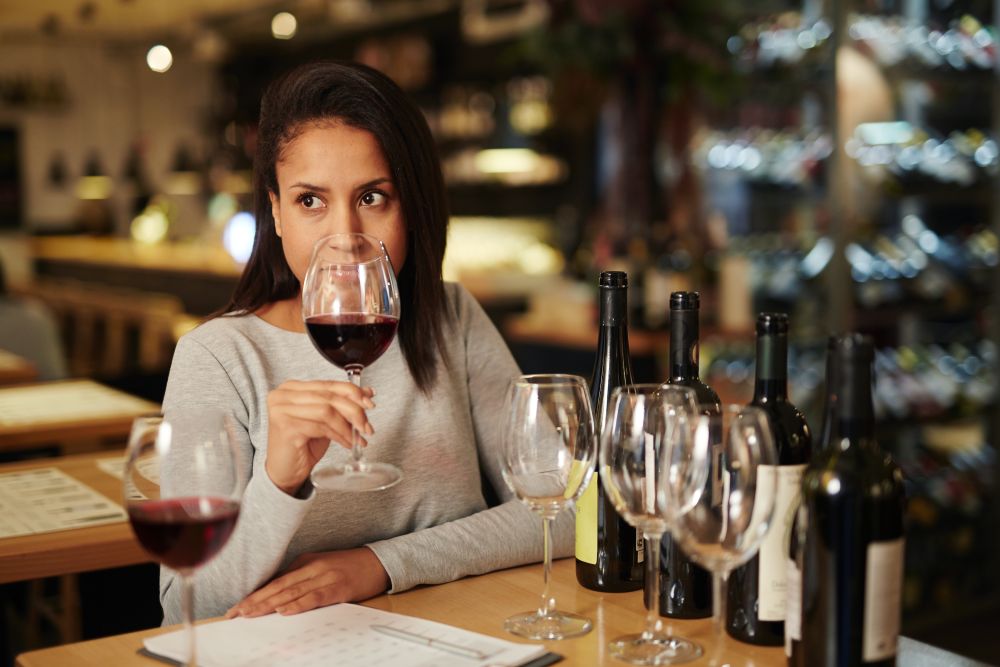
A home wine tasting is one of the easiest ways to turn a night in with friends into something a little special. All you need is four to six wines tied to a theme, small pours served from lightest to boldest, water, plain snacks, and a pen for everyone at the table.
You don’t need to be a wine expert to take part! The fun lies in opening bottles side by side, noticing how different they are, and hearing what everyone thinks about the flavours. Most evenings end with at least one guest finding a new favourite wine.
Below, you’ll find everything you need to plan the evening, from how much wine to buy to how to taste like a professional. New to tasting? Our guide to what wine tasting is covers the basics first.
As a quick guide:
- Wines: Choose 4-6 (for a group of 6-10 guests), linked by a theme
- Tasting measure: About 75ml per person, per wine
- Pours per bottle: Roughly 10
- Tasting order: Sparkling, white, rosé, red, then sweet
Jump to a section
What Do You Need to Host a Wine Tasting at Home?
To host a wine tasting at home, you need a handful of bottles, one clear glass per person, water, plain snacks and a way for guests to take notes. Best of all, you don’t need special equipment or expert knowledge.
Here is a simple checklist:
- Wine: 4-6 different wines (based on 6-10 guests), with more bottles for bigger groups
- Glasses: One per person
- Water: A jug on the table and water glasses
- Spittoon: A jug, bowl or ice bucket for spitting or tipping away leftover wine
- Snacks: Plain crackers or bread to reset the taste buds between wines
- Notes: A tasting sheet and a pen for each guest
- Kit: A corkscrew, an ice bucket, and paper bags or foil if you want to taste blind
If you’d like a permanent spot for your bottles and glasses, our tips on setting up a home wine bar make hosting even easier.
Which glasses work best for a wine tasting?
The best glass for a wine tasting is clear, plain, and tulip-shaped, with a bowl that narrows toward the rim. There is even an official version. The International Organisation for Standardisation (ISO) set out a standard wine-tasting glass in 1977, known as ISO 3591. Its opening is narrower than its body to gather the aromas, and it must be clear and colourless so tasters can judge the wine’s colour.
You don’t need to buy tasting glasses for a home tasting. Any clear wine glasses with a curved bowl will work well. Avoid coloured or heavily cut glass, as it hides the wine’s colour. Our wine glasses guide explains how shape affects aroma, and if your line-up starts with fizz, see the best glasses for sparkling wine.
How Many Wines Should You Choose for a Wine Tasting?
Four to six wines is the sweet spot for a home wine tasting. Wine Folly recommends choosing wines that share a common theme. With fewer than four, there isn’t much to compare. With more than six, guests start to suffer from palate fatigue.
Jargon explained: palate and palate fatigue
Your palate is your sense of taste and how well you pick up flavours. Palate fatigue is when your senses tire after lots of wines, so they all start to taste alike.
Why should a wine tasting have a theme?
A theme gives guests something to compare. When wines share one thing in common, such as the grape or the country, their differences stand out clearly. Wine professionals call this a flight.
Jargon explained: flight
A flight is a small group of wines tasted side by side, usually linked by a theme.
What are some easy wine tasting themes for beginners?
Here are six themes that work well for a first wine tasting:
- One grape, three countries: Chardonnay from England, France and Australia shows how climate shapes the same grape
- Sparkling styles: English sparkling wine, Champagne, Cava and Prosecco side by side
- Light to bold reds: Pinot Noir, then Merlot, then Syrah, to see how body builds
- Price test: Two similar wines at very different prices, tasted without labels
- An English wine flight: A sparkling wine, a still white and a Pinot Noir, all from England
- Bring a bottle: Set a theme and ask each guest to bring one wine that fits
Jargon explained: body
Body is how light or heavy a wine feels in your mouth. Think of the difference between skimmed milk and whole milk.
How Much Wine Do You Need for a Wine Tasting?
Plan on about 75ml per person for each wine. A standard 750ml bottle gives roughly 10 tasting pours, so one bottle of each wine covers a small group. According to Wine Folly, a tasting pour is about half a normal serving, at 75 to 90ml. For a party of 8 to 10, it suggests two bottles of each wine.
Use this table to work out how much to buy for a five-wine tasting:
| Group size | Bottles of each wine | Total bottles (five wines) | Spare 75ml pours per wine |
|---|---|---|---|
| 4 guests | 1 | 5 | About 6 |
| 6 guests | 1 | 5 | About 4 |
| 8 guests | 2 | 10 | About 12 |
| 10 guests | 2 | 10 | About 10 |
| 12 guests | 2 | 10 | About 8 |
The spare pours give guests a second taste of their favourites. You can finish any open still wine over the next few days, or use it for cooking.
How much alcohol is in a wine tasting?
A 75ml measure of wine at 12% ABV contains about 0.9 units of alcohol, so six full pours add up to around 5.4 units. The NHS calculates units by multiplying a drink’s strength by its volume in millilitres, then dividing by 1,000. It advises adults not to drink more than 14 units a week on a regular basis, spread over three or more days.
Jargon explained: ABV
ABV stands for alcohol by volume. It’s the percentage of the wine that is pure alcohol, and it appears on every wine label.
Keeping pours small, spitting, and tipping away what you don’t finish are all normal at a tasting.
What Order Should You Taste Wines In?
Taste wines from light to bold and from dry to sweet. The usual order is sparkling first, then white, rosé, red, and sweet wines last. Decanter advises tasting delicate wines before fuller ones, and dry wines before sweet ones, because sugar coats the palate and can make a dry wine taste sharp or bitter.
The same Decanter piece notes that order is partly personal. Some experienced tasters find a fresh white easy to taste after reds. For a first tasting, though, light to bold is the safest plan.
| Order | Wine style | Examples | Why it goes here |
|---|---|---|---|
| 1st | Sparkling | English sparkling, Champagne, Cava | Fresh and light, and best while the bubbles are lively |
| 2nd | Light white | Bacchus, Pinot Grigio, Sauvignon Blanc | Delicate flavours that bolder wines would drown out |
| 3rd | Fuller white | Oaked Chardonnay, Viognier | More weight and flavour than a light white |
| 4th | Rosé | Pinot Noir rosé, Provence rosé | A bridge between white and red |
| 5th | Light red | Pinot Noir, Gamay | Soft tannins and a lighter body |
| 6th | Bold red | Syrah, Cabernet Sauvignon | The most tannin and body, so it follows lighter reds |
| Last | Sweet | Sauternes, late-harvest Riesling | Sugar coats the palate and would spoil drier wines |
Jargon explained: tannin
Tannin is the drying, slightly grippy feeling a red wine leaves on your gums and tongue, a bit like strong black tea. It comes mostly from grape skins, seeds and stems.
Jargon explained: oaked
An oaked wine has spent time in oak barrels. The wood can add flavours such as vanilla, toast or spice.
What temperature should each wine be served at?
Serve sparkling and light white wines coldest, fuller whites and rosé a little warmer, and reds cool rather than warm. Temperature changes how a wine smells and tastes, so getting it close makes every wine in the line-up show at its best. The ranges below come from Wine Folly’s serving temperature guide.
| Wine style | Serve at | How to prepare the wine |
|---|---|---|
| Sparkling and light whites | 3 to 7°C | Fridge for a few hours, then an ice bucket on the table |
| Rosé and fuller whites | 7 to 12°C | Take out of the fridge a little while before pouring |
| Light and medium reds | 12 to 15°C | A short spell in the fridge before serving |
| Bold reds | 15 to 20°C | A cool room, away from radiators and sunny windows |
| Sweet wines | Varies by style | Follow the serving advice on the back label |
It’s also recommended to check two things before serving the wine. If a wine smells strongly of alcohol, it may be too warm. If a wine seems to have little flavour, it may be too cold, so let it warm in the glass for a few minutes. For more on opening, pouring and chilling, read our guide on how to serve wine.
How Do You Taste Wine Step by Step?
To taste wine, look at it, swirl it, smell it, sip it, and then decide what you think. Following the same steps for every wine makes comparison easy. Professionals work the same way. The Wine & Spirit Education Trust (WSET) teaches students a structured method, the Systematic Approach to Tasting, that moves through appearance, nose, palate, and conclusions.
Here is a beginner-friendly version to share with your guests:
- Look: Tilt the glass over something white, like a napkin, and notice the colour and how deep it is
- Swirl: Gently swirl the wine to let in air and release its aromas
- Smell: Take a few short sniffs and note what comes to mind first, such as fruit, flowers, spice or toast
- Sip: Take a small sip and let it move around your mouth, noticing sweetness, acidity, tannin and body
- Finish: Notice how long the flavour lasts after you swallow or spit
- Decide: Do you like it, and why? Which wine is your favourite so far?
For a closer look at each step, our guide on how to taste wine walks through the 5 S’s in detail.
Jargon explained: acidity
Acidity is the fresh, mouth-watering zing in a wine. The more your mouth waters after a sip, the higher the acidity.
Jargon explained: finish
The finish is how long the flavour lingers after the wine has left your mouth. Tasters often see a long finish as a sign of a well-made wine.
What should guests write on a tasting sheet?
A tasting sheet only needs one row per wine, plus space for colour, smell, taste, and a score out of five. Guests jot down simple words like fruity, earthy, bright or smooth instead of worrying about formal terms. There are no wrong answers. Guests who want to learn a few words can browse our wine terminology guide for beginners.
If guests get stuck for words, an aroma wheel helps. Dr Ann Noble at the University of California, Davis, created the first wine aroma wheel and published the first article on it in 1984, according to the official Wine Aroma Wheel site. An aroma wheel groups smells from broad families, such as fruit, down to single smells, such as strawberry, so tasters can narrow down what they notice.
Our own printable wine aroma wheel (PDF) works the same way. It includes 70 everyday smells, including elderflower, gooseberry, and brioche notes often found in English wine. Print one for the middle of the table, or one per guest.
Is there a free wine tasting sheet you can use?
Yes. There are two free versions of our tasting sheet, plus a printable aroma wheel, so you can pick whatever suits your guests:
- Printable sheet: Download our free wine tasting sheet (PDF) and print one copy per guest. It has space for six wines, a word bank and a box for the final verdict.
- Aroma wheel: Download our free wine aroma wheel (PDF) to help guests find the right words for what they smell.
Should You Do a Blind Tasting at Home?
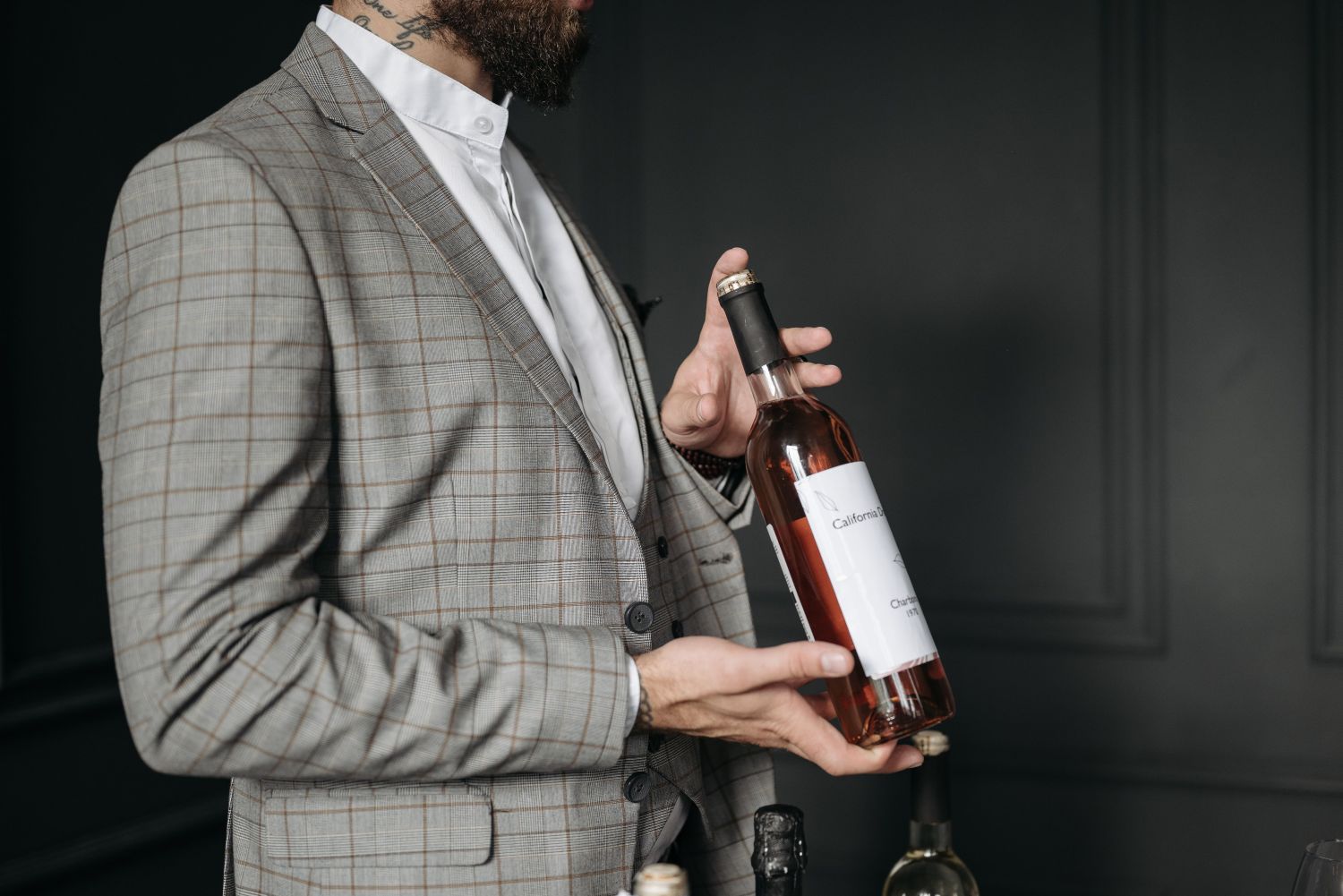
Yes, a blind tasting is worth trying for at least part of the evening. Hiding the labels stops the name, colour or price of a wine from shaping what people think they taste. It also turns the evening into a fun guessing game.
Jargon explained: blind tasting
Blind tasting means trying wines without seeing the label, so you judge a wine only on what you see, smell and taste.
What does research say about blind tasting?
Two well-known studies show how much our expectations shape the way wine tastes:
- Colour: In a 2001 study published in Brain and Language, 54 tasters described a white wine dyed red with a flavourless dye as if it were a red wine
- Price: In a 2008 study summarised by the Wharton Neuroscience Initiative, 20 people tasted the same wine labelled at $90 and at $10, and the higher price lit up reward areas of the brain more strongly
How do you set up a blind wine tasting?
- Cover the bottles: Wrap each one in a paper bag or foil, including the neck
- Number them: Ask a friend to number the bags so the host can join in too
- Set a challenge: Guests guess the grape, the country, or which wine costs the most
- Reveal at the end: Unwrap the bottles one by one and compare notes
What Food Should You Serve at a Wine Tasting?
Keep food plain while you taste, then bring out bolder snacks after the tasting. Serve cheese, fresh fruit, bread, and cured meats, with water crackers to cleanse the palate. Avoid very spicy, vinegary or sweet foods during the tasting, as they can change how wines taste.
Jargon explained: palate cleanser
A palate cleanser is a plain food or drink, such as water or a cracker, that resets your mouth between wines.
- During the tasting: Water crackers, plain bread and water
- After the tasting: A cheese board, cured meats, fresh fruit and crusty bread
- Best avoided while tasting: Chilli, pickles, vinegar dressings and chocolate
Which food and wine pairings work well after a tasting?
Once the notes are done, try a few classic pairings with the leftover wine:
- Sparkling wine: Salty snacks, such as crisps or salted nuts
- Crisp white wine: Fresh goat’s cheese
- Pinot Noir: Mushrooms on toast or cured ham
- Bold red wine: A hard, aged cheese like Cheddar
- Sweet wine: Blue cheese
How Do You Keep a Home Wine Tasting Relaxed?
Set a gentle pace, keep water on the table, and make spitting feel normal from the start. The best home wine tastings feel like a friendly chat around the table.
- Pace: Allow 10 to 15 minutes per wine, so there is time to taste and talk
- Spitting: Put out a spittoon and use it yourself first, so guests feel free to do the same
- Opinions: Remind everyone that taste is personal and every view counts
- Getting home: Arrange lifts or taxis in advance, and make sure nobody who has been drinking drives
Did you know: spitting is normal
Wine professionals spit at tastings as a matter of routine. It keeps their senses sharp across many wines, and nobody at a tasting will think it rude.
Planning to visit a vineyard tasting too? Read what to know before your first wine tasting for tips on etiquette and what to expect.
Want to Taste With the Experts First?
A guided tasting is a lovely way to pick up ideas before hosting your own. Join us at Bolney Wine Estate in West Sussex, where vines have grown since 1972, and taste English wine where it’s made.
Frequently Asked Questions
How long does a home wine tasting take?
A home wine tasting of five or six wines usually takes about 1.5 to 2 hours. Allowing 10 to 15 minutes per wine leaves time to taste, chat and compare notes without rushing.
How many people should you invite to a wine tasting?
Six to ten people is a comfortable size for a home wine tasting. The group is small enough for everyone to talk, and one or two bottles of each wine will cover it.
Do you need a clean glass for every wine?
No, one glass per person is enough for a home wine tasting if you pour from lightest to boldest. After a sweet or very bold wine, rinse the glass with a little water and shake it dry before the next pour.
Can you host a wine tasting without knowing much about wine?
Yes. Anyone can host a wine tasting at home, because the fun comes from comparing wines and sharing opinions. Pick a clear theme, follow the look, swirl, smell and sip steps, and let everyone learn together.
What is a good wine tasting theme for beginners?
A good first theme is one grape from different countries, such as Chardonnay from England, France and Australia. Comparing the same grape makes the differences easy to spot.
Sources
- Wine Folly: How to Host a Wine Tasting Party (number of wines, tasting pour size, bottles per group, food and palate cleansers, tasting notes)
- Wine Folly: Ideal Serving Temperature for Wine (serving temperature ranges and tips)
- Decanter: Wine Tasting Order (light to bold, dry to sweet)
- WSET: Systematic Approach to Tasting (structured professional tasting method)
- ISO: Taste Wine Like the Experts (ISO 3591 wine-tasting glass)
- The Wine Aroma Wheel: About Ann C. Noble (origin of the aroma wheel at UC Davis)
- NHS: Alcohol Units (unit calculation and weekly guidance)
- Morrot, Brochet and Dubourdieu (2001), The Colour of Odours, Brain and Language (colour and wine perception)
- Wharton Neuroscience Initiative: The Price Paradox (summary of Plassmann et al. 2008 on price and pleasantness)
- WineGB: Data (number of UK vineyards in 2025)
- Fruit & Vine: WineGB Industry Report Highlights Growth and Resilience (sparkling share of production and most planted grapes)