Account



Should Wine Be Refrigerated? How to Serve Every Bottle at Its Best
Start exploring

Most wine tastes best a little cooler than people expect. White, rosé and sparkling wines are best chilled, but not quite fridge-cold. Red wines are best served just below room temperature, and lighter reds are even better with a short spell in the fridge.
A few degrees can change a wine more than most people realise, lifting its aromas or flattening them. You don’t need special kit or a cellar to serve it well. A fridge, a bucket of ice and a few minutes of planning will do the job.
Here are the headline serving temperatures:
- Sparkling wine: Well chilled, 4 to 10°C
- White and rosé: Chilled, 8 to 13°C
- Light reds: Cool, around 12 to 13°C
- Fuller reds: Just below room temperature, 14 to 18°C
Below, you’ll find a full temperature chart for every style, how long each method takes to chill a bottle, and a free printable guide to keep in the kitchen.
Jump to a section
What Temperature Should Wine Be Served At?
Wine serving temperature depends on the style. As a rule, the lighter and crisper the wine, the colder it should be. The fuller and richer the wine, the warmer it can go. Sparkling wine sits at the coldest end, and full-bodied reds sit at the warmest.
Jargon explained: Body
Body describes how heavy a wine feels in the mouth. A light-bodied wine feels a bit like skimmed milk, and a full-bodied wine feels closer to whole milk.
Jargon explained: Oaked
An oaked wine has spent time in oak barrels. Oak adds flavours like vanilla, toast and spice, and gives white wine a richer, rounder feel.
The chart below draws on the ranges in The Oxford Companion to Wine, as summarised in a 2024 study from the Technical University of Darmstadt, alongside guidance from Wine Spectator. Treat the figures as a helpful range, not a strict rule.
| Wine style | Examples | Serve at | Quick guide |
|---|---|---|---|
| Sparkling wine | English sparkling wine, Champagne, Prosecco, Cava | 4 to 10°C | Straight from the fridge or an ice bucket |
| Sweet white wine | Sauternes, late harvest Riesling | 5 to 10°C | Fridge, then out for 5 minutes |
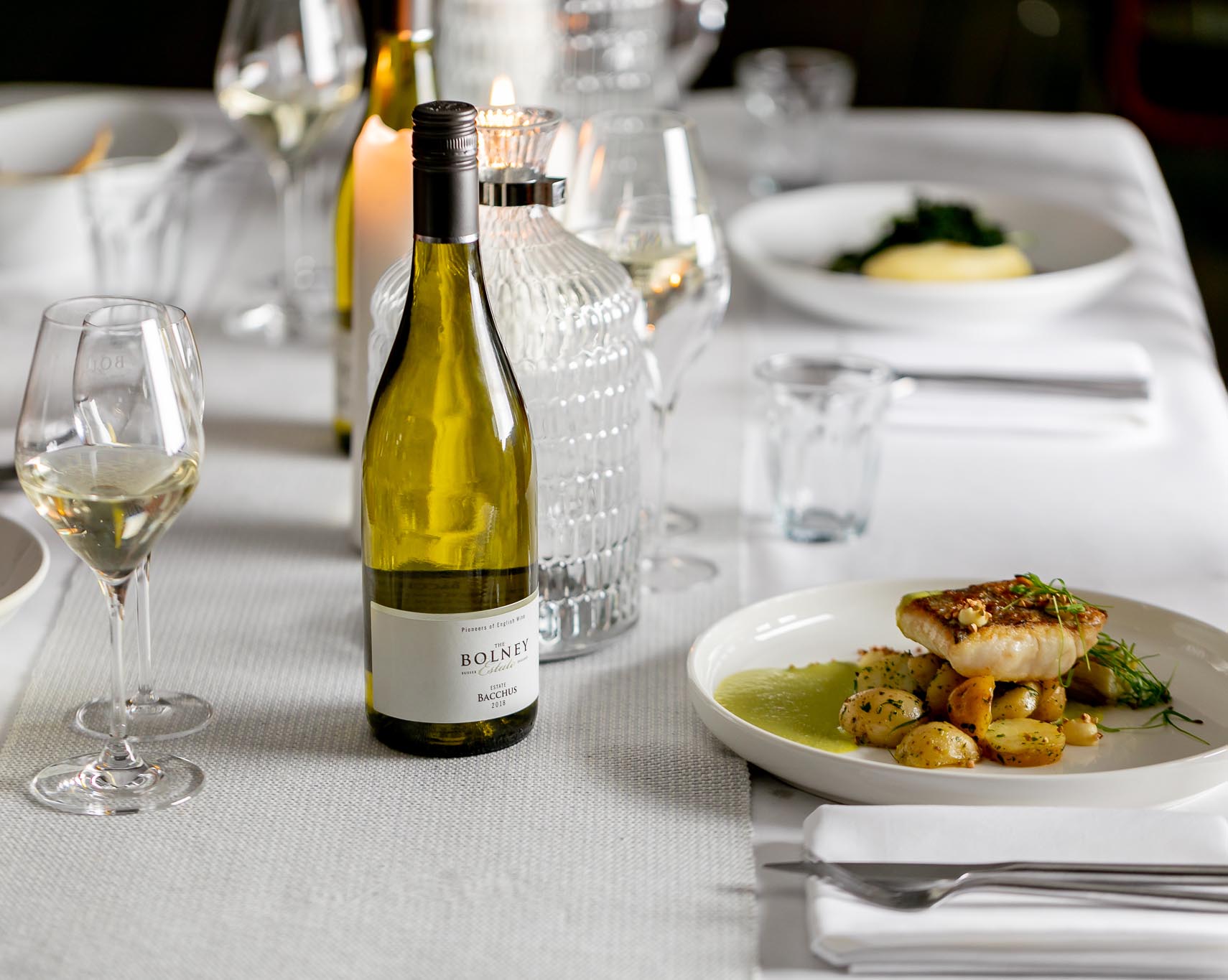
| Light, crisp whites and rosé | Bacchus, Sauvignon Blanc, Pinot Grigio, dry rosé | 8 to 12°C | Fridge, then out for 10 to 15 minutes |
| Fuller, oaked whites | Oaked Chardonnay, white Burgundy, Viognier | 10 to 13°C | Fridge, then out for 20 to 30 minutes |
| Light reds | Pinot Noir, Beaujolais (Gamay), Valpolicella | 12 to 13°C | Fridge for around 30 minutes |
| Medium-bodied reds | Merlot, Chianti, Rioja Crianza | 14 to 16°C | Fridge for around 20 minutes |
| Full-bodied reds and port | Cabernet Sauvignon, Shiraz, Malbec, vintage port | 15 to 18°C | Fridge for 10 to 15 minutes in a warm room |
Free download: Wine serving temperature chart
Keep this chart on the fridge door. The printable one-page guide covers serving temperatures for every style, chilling times and quick fixes for wine that’s too warm or too cold.
Why does serving temperature change how wine tastes?
Temperature changes how much aroma a wine gives off and how its acidity, tannin and alcohol feel. Warmth releases more aroma, and cold holds it back.
A sensory study at Washington State University served six red wines at 10°C, 16°C and 22°C. Tasters used more flavour and aroma words for the warmer wines. They described the cooler wines as more sour, bitter and astringent, with less aroma.
Jargon explained: Astringent
Astringent describes the dry, grippy feeling some wines leave on your gums and tongue, a bit like strong black tea.
Jargon explained: Acidity
Acidity is the fresh, mouth-watering tang in wine, similar to the zing of a lemon or a green apple. It keeps wine lively.
Here’s what to expect at each end of the scale:
- Too cold: Aromas and flavours go quiet. Sensory researcher Marjorie King of Agriculture Canada explains on The Naked Scientists that cold makes red wine tannins taste harsher.
- Too warm: Alcohol evaporates faster, so the wine can smell and taste more alcoholic, according to research from the Technical University of Darmstadt.
- Just right: Fruit, freshness and structure all sit in balance.
Should Wine Be Refrigerated?
Refrigerate white, rosé, and sparkling wine before serving. Red wine can also benefit from a short spell in the fridge. But the fridge is for chilling wine before you drink it, not for storing bottles for months.
Is fridge temperature too cold for wine?
A home fridge is usually a little colder than most still wines need. The Food Standards Agency advises setting fridges to 5°C or below. That suits sparkling wine well, but most still whites and rosés taste better a few degrees warmer.
The fix is easy. Take still whites and rosés out of the fridge 10 to 15 minutes before pouring. That short wait lets the wine warm by a few degrees, so more of its aroma comes through.
Good to know: Not every fridge runs at 5°C
A 2024 study by Cardiff Metropolitan University found 71% of home fridges tested ran warmer than 5°C. If your whites taste flat straight from the fridge, yours may be running warm.
Can you store wine in the fridge long term?
A kitchen fridge is fine for a few days or weeks, but it isn’t ideal for long-term storage. Store wine you plan to keep somewhere cool, dark, and steady. Even small differences add up over time. In a 12-month trial by the Australian Wine Research Institute, a red wine kept in an office at about 21.5°C aged faster than the same wine kept in a cellar at about 15°C.
A wine fridge solves this if you like to keep a few bottles on hand. It holds wine at a steady, cellar-like temperature, and many models let you set a separate serving zone. For everyday drinking, a regular fridge works well.
Should Red Wine Be Chilled?
Yes, most red wine benefits from a little chilling. The old advice to serve red wine “at room temperature” comes from a time when homes were much cooler than they are today.
UK homes averaged around 12°C in 1970, according to the UK government’s Housing Fact File. By 2010, that figure had risen to about 17.5°C, according to The Conversation. Modern room temperature sits at or above the top of the ideal range for reds, so a red served straight from the rack can taste heavy and alcoholic.
Which red wines are best served chilled?
Light, fruity reds with soft tannins chill best. Good examples include Pinot Noir, Beaujolais (made from Gamay), Loire Cabernet Franc, and Italian Dolcetto, according to sommeliers quoted by VinePair.
Jargon explained: Tannin
Tannin is a natural compound from grape skins, seeds and stems. It creates the drying, grippy feel in red wine. Cold makes tannin taste harsher, so big, tannic reds don’t suit heavy chilling.
English reds also suit a cooler serve. England’s cool climate tends to produce lighter, fresher reds, such as Pinot Noir, which show their bright red fruit best at around 12 to 13°C. Read more about red styles in our red wine guide.
How long should red wine go in the fridge?
Red wine needs much less time in the fridge than white wine. Wine Spectator suggests a short spell for a red that feels too warm. As a guide:
- Light reds: Around 30 minutes.
- Medium-bodied reds: Around 20 minutes.
- Full-bodied reds: 10 to 15 minutes on a warm day, or none at all in a cool room.
How Cold Should Sparkling Wine Be?
Serve sparkling wine well chilled, between about 4 and 10°C. It’s the one style that can go straight from the fridge to the glass.
Cold helps sparkling wine in two ways:
- Finer bubbles: Chilling keeps the bubbles fine rather than frothy, according to Wine Spectator.
- Longer-lasting fizz: Research led by Gérard Liger-Belair, reported by ScienceDaily, found that colder Champagne loses less carbon dioxide once poured.
The same study found that pouring sparkling wine gently down the side of a tilted glass kept up to twice as much fizz as pouring straight down the middle.
Good to know: Fuller sparkling wines
Richer, older or vintage sparkling wines can be served at the warmer end of the range, around 8 to 10°C, so their toasty, complex flavours have room to show.
For more on styles and glasses, see our sparkling wine guide.
How Long Does It Take to Chill Wine?
A bottle of white wine takes an hour or two to go from room temperature to serving temperature in the fridge. An ice bucket filled with ice and water is much faster, and the freezer works in a pinch if you set a timer.
Here’s how the main methods compare, based on advice from Wine Spectator:
| Method | Time for a white | Time for a red | Tip |
|---|---|---|---|
| Fridge | 1 to 2 hours | 20 to 30 minutes | Easiest option if you plan ahead |
| Ice and water bucket | Up to 30 minutes for sparkling | About 10 minutes | Water and ice chill faster than ice alone |
| Freezer | About 15 minutes | Rarely needed | Set a timer, as frozen wine can push out the cork |
What if wine is too cold?
Wine that’s too cold will warm up on its own, but you can speed things along:
- Slightly too cold: Pour it and cup your hands around the glass for a minute or two.
- Very cold: Stand the bottle in a bowl of warm (not hot) water for a few minutes.
- Avoid: Direct heat, such as a hob, oven or radiator, which can warm the wine unevenly.
How do you keep wine at the right temperature once it’s poured?
Wine warms up fast once it’s in a glass. A 2024 study from the Technical University of Darmstadt measured how quickly a 150ml pour of red wine warmed in a 23°C room, and its authors advise serving wine at the lower end of its range for this reason. Wine Spectator gives the same advice: start a little below your target temperature.
A few small habits help when hosting:
- Hold the stem: Your hand warms the bowl, so a stemmed glass keeps wine cooler for longer. Our wine glasses guide covers which shapes suit each style.
- Pour smaller measures: A smaller pour gets finished before it warms up, and you can top up from the bottle.
- Keep an ice bucket nearby: Return whites, rosés and sparkling wine to the bucket between pours.
- Bring reds in from a warm room: A cool hallway or larder is a better spot for reds than a warm kitchen counter.
Taste the Difference for Yourself
The best way to learn how temperature shapes a wine is to taste it. Join a tour and tasting at Bolney Wine Estate in West Sussex, guided by nature since 1972, and try sparkling, white, rosé and red wines side by side.
Frequently Asked Questions
Can you put red wine in the fridge?
Yes. Putting red wine in the fridge for 20 to 30 minutes before serving brings it down to a better drinking temperature. Light reds like Pinot Noir benefit most. Full-bodied reds only need 10 to 15 minutes, and none at all in a cool room.
Is it bad to serve white wine straight from the fridge?
No, it won’t harm the wine, but very cold white wine tastes muted. Most fridges run at 5°C or below, which is colder than ideal for still whites. Leave the bottle out for 10 to 15 minutes before pouring and more of its aroma will come through.
Can you chill wine in the freezer?
Yes. The freezer chills a bottle of white wine in about 15 minutes. Set a timer, because wine left too long can freeze, expand, and push the cork out.
What temperature should rosé wine be served at?
Rosé wine is best served chilled at around 8 to 12°C, the same as a light, crisp white wine. Take it out of the fridge 10 to 15 minutes before pouring.
Do I need a wine thermometer?
No. Fridge time or an ice bucket gets you close enough for everyday drinking. A wine thermometer is a nice extra if you’d like to compare temperatures side by side.
Sources
- Kannapinn, Köhler and Schäfer (2024), A Validated Thermal Computational Fluid Dynamics Model of Wine Warming in a Glass, Applied Sciences, Technical University of Darmstadt: Serving ranges from The Oxford Companion to Wine, how wine warms in the glass, effects of temperature on aroma, taste and alcohol.
- Washington State University (2013), Tasters warm up to red wines at higher temperatures: Sensory study by Carolyn Ross on serving temperature.
- ScienceDaily (2010), Best way to pour champagne?: Research by Gérard Liger-Belair and colleagues, Journal of Agricultural and Food Chemistry, on temperature, pouring and carbon dioxide loss.
- Australian Wine Research Institute (2019), Wine storage temperature: investigating the impact of small differences: How storage temperature affects wine ageing.
- Food Safety News (2024), Welsh survey reveals fridge temperature problems: Cardiff Metropolitan University study of home fridges.
- UK Government (2013), United Kingdom Housing Energy Fact File: Average UK home temperature in 1970.
- The Conversation, Our obsession with comfort is the carbon conundrum everyone ignores: Rise in average UK home temperature to 2010.
- The Naked Scientists (2009), Why serve white wine chilled?: Agriculture Canada sensory researcher on temperature, acidity and tannin.
- Wine Spectator (2019), 3 Tips to Achieve the Perfect Serving Temperature: Temperature ranges by style, chilling times and warming tips.
- VinePair (2022), Why You Should Be Drinking Your Red Wines Chilled: Which red wines suit chilling.
- What temperature should a fridge be? Food Standards Agency advises: Recommended home fridge temperature.