Account






Why Do Waiters Ask You To Taste Wine In A Restaurant?
Start exploring

You order a bottle of wine. The waiter brings it over, shows you the label, pours a small measure into your glass, and waits.
Most people give it a quick sip, nod, and say “lovely, thank you.” And that’s completely fine. But knowing what you’re supposed to be checking makes the whole thing a lot less mysterious.
This guide explains the process clearly, without any wine-world mystique.
Jump to a Section
- You’re not being asked if you like the wine
- Why do waiters ask you to taste wine?
- The most common wine fault: what does ‘corked’ mean?
- Other faults that can ruin a bottle
- What to do when the waiter pours your wine
- Can you send wine back if you just don’t like it?
- Exactly what to say if something tastes wrong
- Which restaurants pour you a taste before serving?
- How wine confidence changes how you eat out
- Book a guided tour at Bolney Wine Estate
- Frequently asked questions
You’re Not Being Asked If You Like the Wine
There’s one thing that trips people up when it comes to restaurant wine tasting, and it’s understandable.
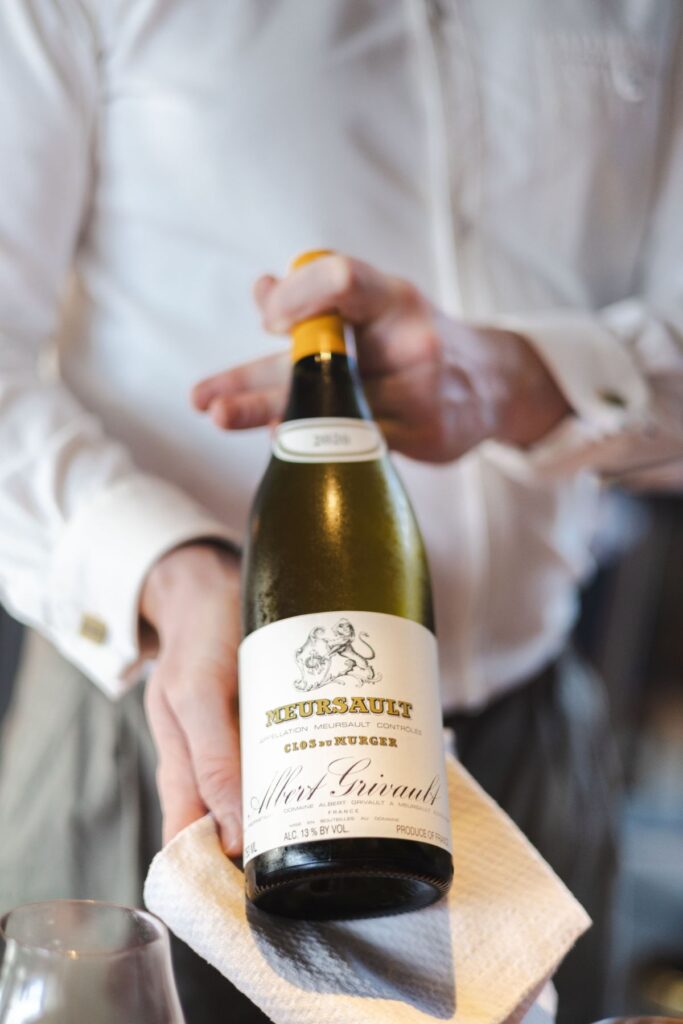
When a waiter pours you a taste before serving the table, they are not asking for your opinion on the wine. They are giving you the chance to check that the wine is not faulty.
Rather, it’s a quality check (not a question about your taste).
So even if the wine is perfectly fine, you might not particularly like it, and that doesn’t mean you can send it back. More on that below.
Getting your head around this distinction makes the whole thing much less stressful. And if you’re still getting to grips with wine terms and what they mean, knowing that “faulty” and “not to my taste” are two different things is a good place to start.

Why Do Waiters Ask You to Taste Wine?
Because wine can go wrong, even before it reaches the table.
Wine is a living product. It can be damaged during storage, harmed in transit, or affected by a faulty cork. When any of these things happen, the wine is described as faulty. A faulty wine can range from mildly disappointing to actively unpleasant.
Wine jargon: “faulty”
A faulty wine isn’t just one you don’t enjoy — it’s one that has been objectively damaged or contaminated in some way. A fault gives you grounds to ask for a replacement. Whereas personal taste does not.
The person who ordered the bottle (usually whoever chose it) gets the first pour. If the wine is fine, you nod or say so. If something’s wrong, you say that too.
This practice has its roots in fine dining, where the role of the sommelier, a dedicated wine professional, was to guarantee the quality of every bottle served. The Court of Master Sommeliers, which trains and certifies the world’s most respected wine professionals, treats this tasting moment as a formal service standard, not a courtesy.
So while it can feel a bit formal if you’re not expecting it, it does have a clear and practical purpose.
The Most Common Wine Fault: What Does ‘Corked’ Mean?
“Corked” is one of those wine terms you hear regularly but rarely get a clear explanation of, so here’s one.
A corked wine doesn’t mean a wine with bits of cork floating in it. It means a wine contaminated by a chemical compound called TCA (trichloroanisole). The Royal Society of Chemistry explain that TCA forms when certain fungi in a natural cork react with chlorine-based compounds.
What does cork taint do to the wine?
TCA doesn’t make wine taste like chemicals. What it does is strip out the pleasant aromas you’d expect. The fruit, the flowers, the spice: all of that gets muted or disappears entirely. What’s left is a flat, musty smell and a wine that tastes like very little.
WSET list the most common descriptions of a corked wine:
- Wet cardboard
- Damp cloth
- Musty cellar
- Old newspaper
Some corked wines are immediately obvious. Others are subtly wrong: you might not be able to put your finger on what the problem is, but the wine just doesn’t taste the way wine should. It feels flat, hollow, off.
Good to know: natural cork
Natural cork comes from the bark of the cork oak tree, grown mainly in Portugal and Spain. The bark is harvested without felling the tree and regrows over around nine years. Cork’s slightly porous structure allows tiny amounts of oxygen to reach the wine as it ages, which helps it develop — but that same structure makes it vulnerable to TCA contamination.
Will a corked wine make you feel ill?
No. TCA is not toxic and won’t harm you. You won’t feel sick later in the evening. The problem is purely one of quality: you’re paying for something that isn’t delivering what it should, and you shouldn’t have to.
How common is cork taint?
Cork taint affects an estimated 1% of wines sealed with natural cork, according to research by Christian Butzke, a professor at Perdue University. Across millions of bottles sold every year, that’s a significant number. It’s common enough that the tasting step exists for a reason.
If you’re curious about how different wines are sealed and served, our guide to how to drink sparkling wine covers Champagne and sparkling wine service, where the process plays out a little differently.
Other Faults That Can Ruin a Bottle of Wine
Cork taint is the most common fault, but not the only one. Here’s what else can affect a bottle of wine:
Oxidation: As observed by Wine Enthusiast, wine exposed to excessive oxygen (often due to a faulty seal or poor storage) can taste flat, nutty, or faintly vinegary. A white wine that should look pale and bright might appear deeper, more golden than expected. Red wines can take on a brownish tinge.
Reduction: Some wines develop a smell of struck matches, rubber, or rotten eggs when they haven’t had enough oxygen exposure during winemaking. This is called reduction. It can sometimes dissipate if you swirl the wine firmly and let it breathe, but it shouldn’t be there in the first place.
Wine tip: oxidation isn’t always a flaw
A little controlled oxidation is intentional in some wines. Sherry and certain orange wines are deliberately made this way, giving them a nutty, amber quality. The issue with oxidation as a fault is when a wine that should be fresh and fruity — a crisp white or a young red — tastes flat and tired instead.
Heat damage: According to wine expert Janis Robinson, wine stored or transported in excessive heat can taste stewed, jammy, or flat, losing its freshness entirely. Check the cork: if it’s been pushed partially out of the bottle, that’s a sign the wine expanded in the heat.
Refermentation: A still wine (red or white) that’s slightly fizzy when it shouldn’t be has undergone secondary fermentation in the bottle. This is uncommon but unmistakable.
What to Do When the Waiter Pours Your Wine
You don’t need any wine expertise to do this well. Follow these three steps:
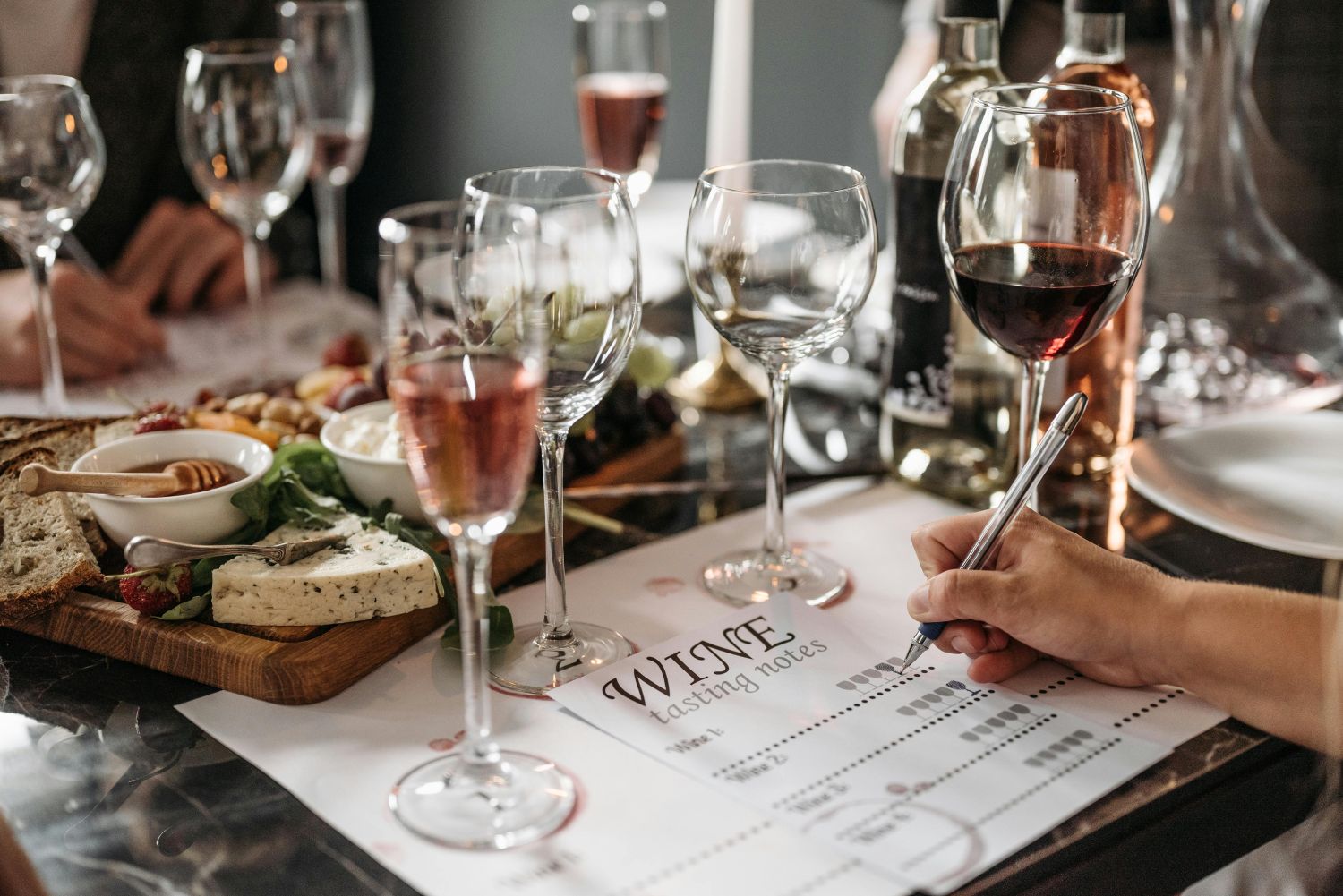
1. Look at the colour: Is it roughly what you’d expect? A pale white wine shouldn’t look brown or murky. A red shouldn’t look faded or orange unless it’s an aged wine. You’re not looking for perfection, just obvious visual problems. The shape and type of glass can affect how colour appears, but as a rule, bright and clear is a good sign.
2. Smell it: This is the most important step. Swirl the glass gently. This releases the wine’s aromas. Now smell it. Does it smell musty or damp? Vinegary? Like eggs or matches? These are red flags. A good wine should smell like fruit, flowers, earth, or spice: something pleasant, even if unfamiliar.
Wine tip: why swirling the glass helps
Swirling wine isn’t just for show. It increases the liquid’s surface area and releases volatile aroma compounds — the molecules responsible for what you smell. The more you agitate the wine, the more those aromas are released into the air above the glass. A gentle swirl for a few seconds is enough.
3. Taste it: Take a small sip and hold it in your mouth for a moment. Does it taste flat or oddly muted? Does it taste actively wrong rather than just unfamiliar?
If any of these steps raise a concern, trust your gut. You don’t need to name the fault. You can simply say: “Something seems a bit off. Could you have a smell?” A trained member of staff will take that seriously and act accordingly.
For a more detailed guide on the tasting process itself, including how professionals break it down, our how to taste wine guide walks through each stage step by step.
Can You Send Wine Back If You Just Don’t Like It?
Not necessarily, and this is where people often freeze up.
If the wine is fault-free and correctly served but you simply don’t like it, you generally cannot send it back. You (or someone at your table) chose it, and the restaurant has served it as described. That said, most people in this situation simply didn’t know quite what to expect from the wine.
However, most good restaurants, particularly those with a sommelier, would far rather help you choose a different bottle than leave you unhappy. Ask before things go too far. The time to say “I’m not sure about this wine” is before the table is fully served, not at the end of the bottle.
This is also a good argument for learning a little before you go. Knowing what you tend to enjoy — a lighter or fuller red, a dry or off-dry white, still or sparkling — means fewer surprises. Our guides to white wine and red wine are useful starting points. And if you’re choosing sparkling, our guide to choosing sparkling wine explains what to look for on the label.
Exactly What to Say If Something Tastes Wrong
You don’t need to use technical language. These phrases all work:
- “I think this might be corked. Could someone else check?”
- “Something smells a bit off. Does this seem right to you?”
- “The wine tastes very flat. I’d like someone else to have a look.”
A reputable restaurant will replace a faulty bottle without argument. If anyone pushes back, stay calm and ask for a manager or sommelier.
Wine jargon: “sommelier”
A sommelier (pronounced som-el-YAY) is a trained wine professional, typically working in a restaurant or hotel. Their job is to manage the wine list, recommend bottles to guests, and oversee service. If a restaurant has one, they’re the best person to speak to about a wine you’re unsure of — or one that seems wrong.
According to the WSET, any trained hospitality professional recognises that a customer’s right to return a faulty bottle is non-negotiable. The Michelin Guide’s dining etiquette guidance similarly emphasises that guests should feel confident raising concerns with their server. It’s part of proper service, not an imposition.
Which Restaurants Pour You a Taste Before Serving?
The full sequence (label shown, small pour, approval) is standard in restaurants with a wine list and table service. You’re most likely to encounter it in:
- Fine dining and Michelin-starred restaurants
- Hotel dining rooms
- Wine bars with a curated, wine-focused list
Wine ordered by the glass doesn’t typically involve this step, since the bottle is already open.
Bolney Wine Estate wines appear on lists at a number of our hospitality partners, including HS Hotels and at events at Glyndebourne. So there’s a chance you’ve already tasted one of ours in this way, perhaps without knowing its origins.
How Wine Confidence Changes How You Eat Out
Once you understand that the tasting process is a fault check rather than a performance, the whole experience becomes less intimidating. You know what to look for, you know what to say, and you know your rights if something’s wrong.
Book a Guided Tour at Bolney Wine Estate
The most effective way to feel confident about wine (in restaurants, at home, or anywhere else) is time spent with people who make it.
At Bolney Wine Estate in West Sussex, our guided vineyard tours and tasting sessions run throughout the year. You’ll walk through the vines, see how wine is made from growing to bottling, and taste through a selection of our wines with someone who can explain exactly what you’re experiencing, including what good wine smells and tastes like, so you know when something’s wrong.
No wine knowledge needed. No prerequisites. Just curiosity.
Book your guided vineyard tour and tasting at Bolney Wine Estate →
Frequently Asked Questions
Why does the waiter show me the label before pouring?
This confirms they’ve brought the correct bottle, the one you ordered. It’s also your chance to check the vintage (the year the grapes were harvested). Wines can vary considerably from year to year, so a quick glance at the date is worthwhile if the vintage is important to you.
Can I send the wine back if I don’t like the taste?
Not usually, if the wine is fault-free. If you simply don’t enjoy it, most restaurants won’t take it back — you ordered it, and they’ve served it as described. However, if the wine is genuinely faulty (corked, oxidised, heat-damaged), you have every right to ask for a replacement.
What does corked wine taste like?
A corked wine typically smells musty or damp: wet cardboard, old cloth, or a stale cellar. The fruit aromas are absent or very muted. It rarely smells aggressively bad; it mostly smells like very little. Trust your nose. If it smells flat and wrong, something may well be wrong.
Will a corked wine make me feel ill?
No. TCA, the compound behind cork taint, is not toxic. It won’t cause any physical symptoms. A corked wine is a quality problem, not a health one.
What if I’m not sure the wine is faulty?
Say so. Ask your server or the sommelier to smell it. You are not expected to diagnose the problem. A good restaurant will have someone on hand who can.
Is the restaurant tasting pour the same as wine tasting?
No. The restaurant pour is a quick fault check, a matter of seconds. A proper wine tasting is a structured experience designed to help you understand and appreciate a wine in depth.
Why don’t more restaurants use screw caps to avoid corked wine?
Many do! Screw caps effectively eliminate cork taint. But natural corks remain standard for fine wines, partly due to tradition and partly because the way a bottle seals can influence how wine evolves over time. The debate within the industry is ongoing. Wine Folly has covered it in depth.
Does this apply to sparkling wine too?
Yes. When a bottle of sparkling wine or Champagne is opened at the table, you’ll typically be offered a taste first. The same principles apply: you’re checking for faults, not giving a verdict on the wine. Our guide to drinking sparkling wine covers the service process in more detail.
How many glasses does a bottle of wine give?
A standard 75cl bottle gives roughly five glasses at a 150ml pour. The tasting portion (usually 30–50ml) is small enough that it doesn’t meaningfully affect this.
Sources and Further Reading
- Wine & Spirit Education Trust (WSET) — wine fault classification and education standards
- Court of Master Sommeliers — sommelier service standards and certification
- Decanter — ongoing industry debate on wine closures
- Michelin Guide — Dining Etiquette — guidance on fine dining behaviour
- The Guardian — English Wine — coverage of English and Sussex wine
- Wine Folly — Understanding Corked Wine — accessible guide to TCA and cork taint
- Glyndebourne — arts venue and Bolney Wine Estate partner
- HS Hotels — hospitality partner stocking Bolney wines