Account






What Are Tannins in Wine, and What Do They Taste Like?
Start exploring

Tannins are natural compounds that give red wine its dry, slightly grippy feel. They come from grape skins, seeds and stems, and sometimes from the oak barrels used in ageing. Tannins are not a flavour you taste so much as a texture you feel, and they are one of the main reasons a young red can leave your mouth feeling dry.
As a quick guide, here is roughly how much tannin each style carries:
- Red wine: the most, and the easiest to notice
- White wine: little to none
- Rosé wine: very light
- Sparkling wine: usually low, though red sparkling has more
- Mead (honey wine): none, unless added
- Fortified wine, like vermouth: depends on the base and botanicals
Jump to a section
What Are Tannins in Wine?
Tannins in wine are a group of plant compounds called polyphenols. They sit in the skins, seeds and stems of grapes, and they also live in oak, which is why a wine aged in oak barrels can pick up extra tannin. Grapes are far from the only place you meet them. The same drying grip turns up in strong black tea and in dark chocolate, so most people have tasted tannin long before their first glass of red.
According to the Waterhouse Lab at the University of California, Davis, tannins set them apart from other plant compounds because they bind to proteins. That single trait explains almost everything tannins do in a glass of wine, from the texture on your tongue to the way a red changes over years in the bottle.
Jargon explained: polyphenol
A polyphenol is a natural compound made by plants. In wine, polyphenols like tannins affect colour, texture and how long a wine can age.
What Do Tannins Taste and Feel Like?
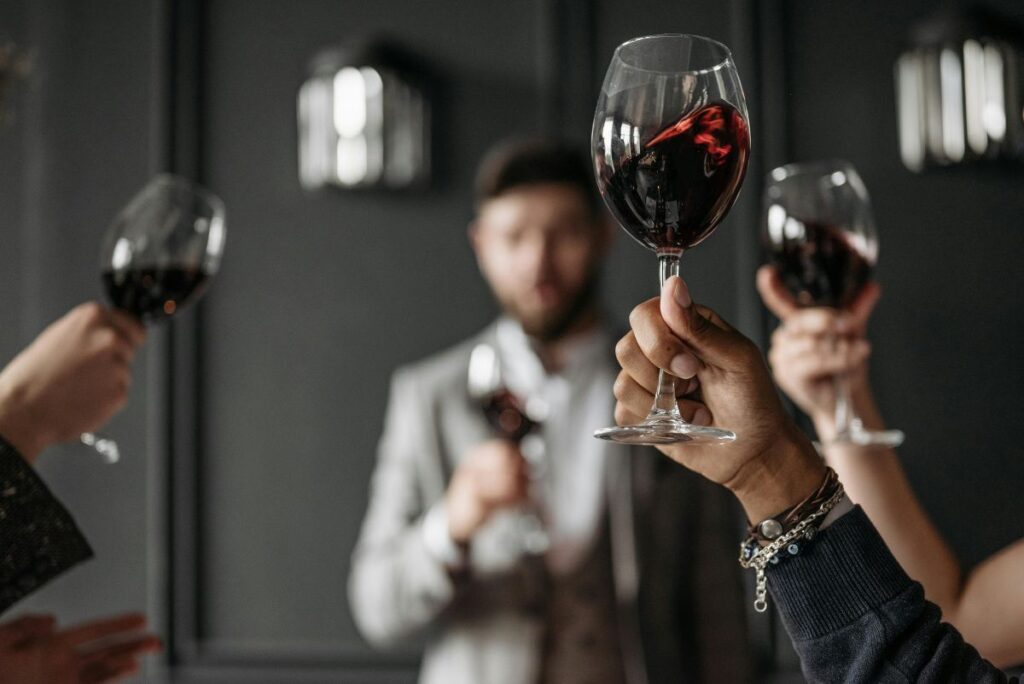
Tannins are a texture, not a taste. The main sensation is astringency, a dry, puckering feel that pulls at your gums and the roof of your mouth. Think of the last mouthful of over-brewed tea, or the coating a slightly unripe banana skin leaves behind. That is tannin at work.
The reason comes down to lubrication. Your saliva is full of proteins that keep your mouth slippery. Tannins bind to those proteins and pull them out of solution, so the natural lubrication drops away and your mouth feels rough and dry. A review in the European wine science journal OENO One describes this loss of lubrication as the basis of astringency, the same effect you get from strong, over-brewed tea.
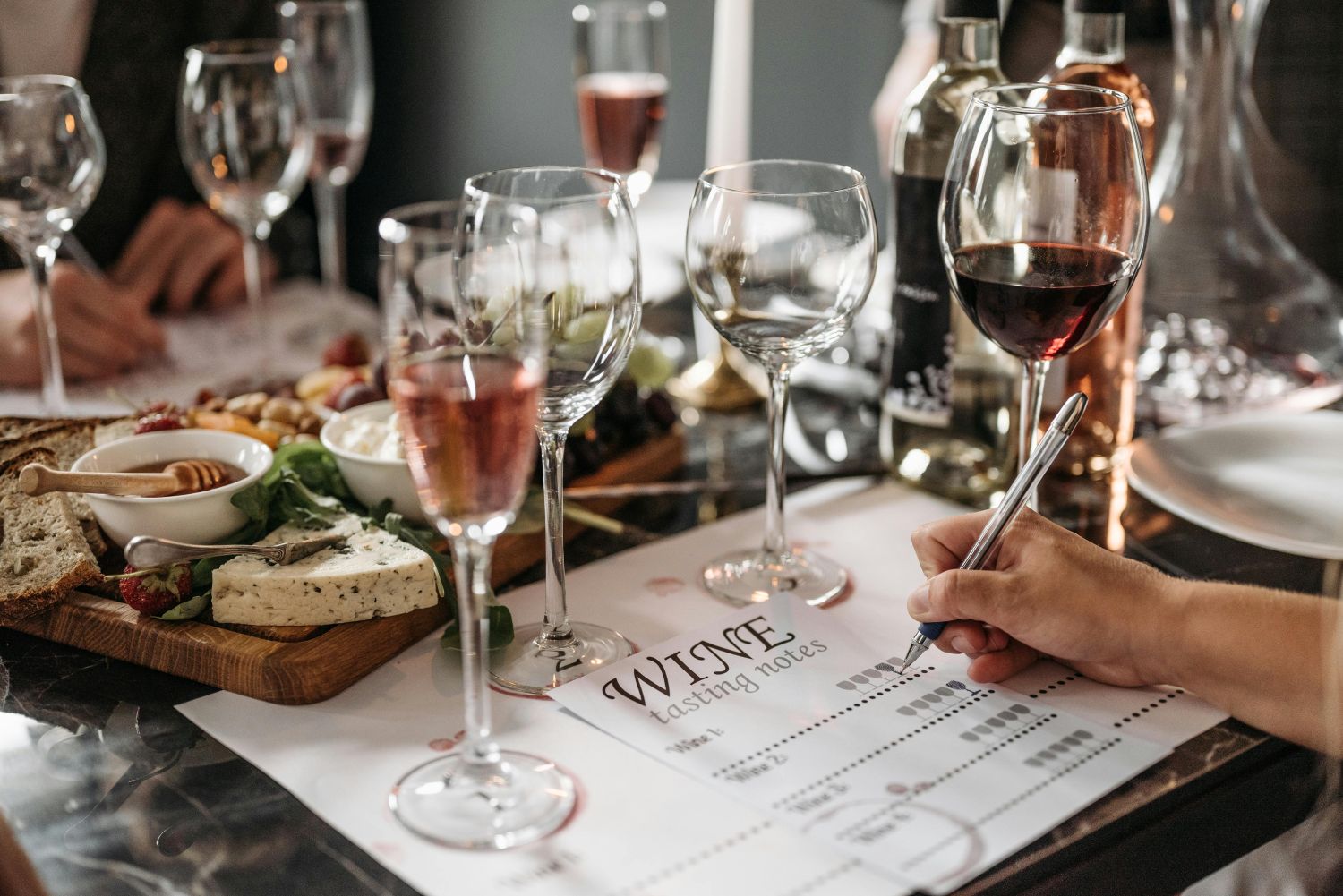
There is also a difference between astringency and bitterness. The Waterhouse Lab notes that smaller tannins, mostly from the seeds, tend to taste bitter, while larger tannins from the skins feel more astringent. A well-made red keeps both in balance so neither takes over. Tasting a light red and a bold red side by side, as you might at your first wine tasting, is the quickest way to feel the difference for yourself.
Jargon explained: astringency
Astringency is the dry, puckering feeling tannins create by pulling the slippery proteins out of your saliva. It is a mouthfeel, not a flavour.
Where Do Tannins Come From?
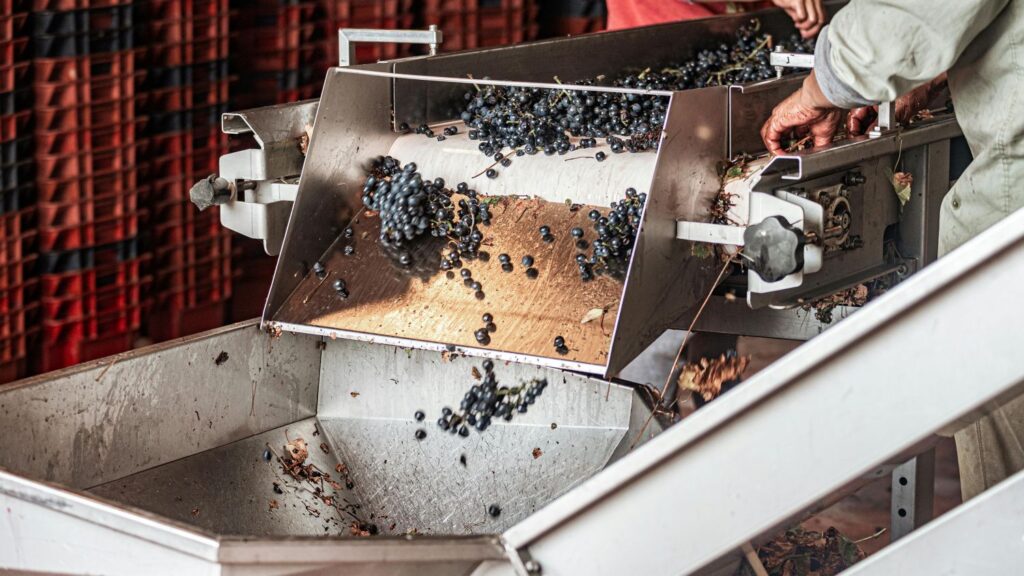
Wine tannins come from four places, as Wine Enthusiast sets out:
- Grape skins: The source of the softer, more astringent tannins.
- Grape seeds: Smaller, firmer tannins that can taste bitter.
- Grape stems: An extra source when whole bunches go into the vat.
- Oak barrels: A smaller, different type of tannin picked up during ageing.
The grape itself does most of the work. A review in the Journal of Agricultural and Food Chemistry confirms that skins and seeds are the main source of these compounds in wine.
The numbers show how big that gap is. The Waterhouse Lab reports that grape tannins usually reach 2 to 4 grams per litre in red wine, while oak tannins top out at around 250 milligrams per litre, roughly 10 times less. So when a red tastes firm and grippy, the grape is almost always doing most of it, not the barrel.
Seeds pull more weight than most beginners expect. Research in the journal Foods estimates that about 60% of the tannin in wine comes from the seeds, with the rest from the skins.
The way those tannins get into the wine is called maceration, and it is the real reason red wine has so much more grip than white:
Jargon explained: maceration
Maceration is the stage when grape juice sits in contact with the skins and seeds. The longer that contact lasts, the more tannin and colour end up in the wine.
Do White, Rosé and Sparkling Wines Have Tannins?
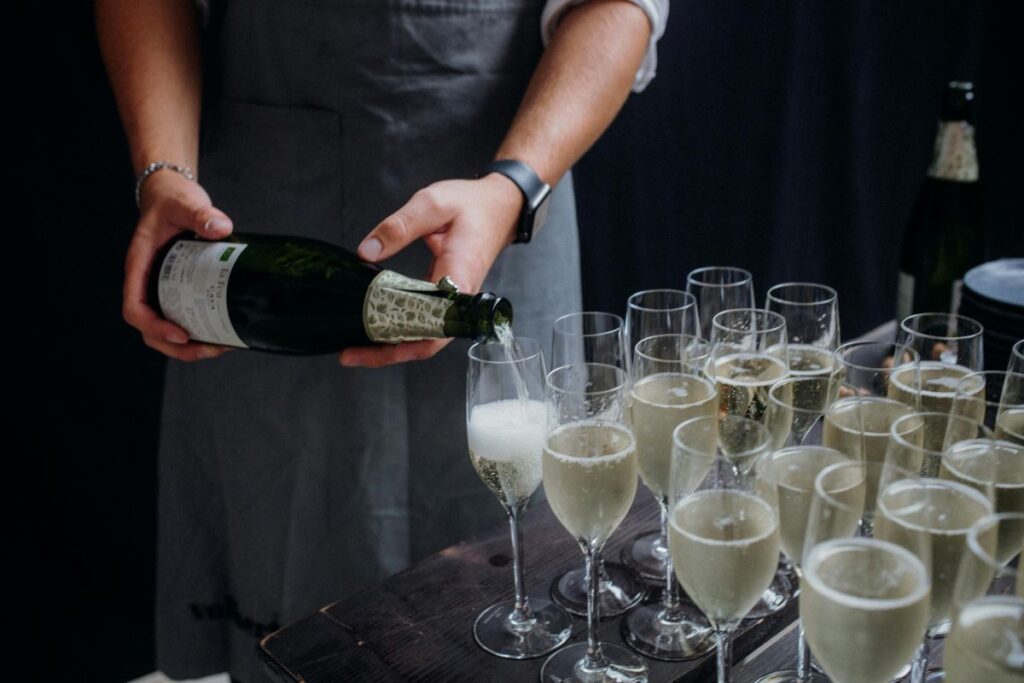
Red wine has by far the most tannin, and white, rosé and sparkling wines have very little. The reason comes down to skin contact. As Wine Spectator explains, red wine ferments together with the skins and seeds, while white wine is usually pressed so the juice leaves the skins behind almost straight away.
Rosé sits in the middle for colour but stays low on tannin. Wine Enthusiast notes that rosé gets only a short spell of skin contact, which gives it a blush of colour and very little grip. Most sparkling wine is made from juice pressed quickly off the skins too, so it leans on bubbles and acidity rather than tannin for its structure.
Here is how the main styles compare:
| Wine style | Typical tannin | Main reason |
|---|---|---|
| Red wine | Medium to high | Ferments in contact with skins and seeds |
| White wine | Very low to none | Juice pressed off the skins before fermenting |
| Rosé wine | Very low | Only a brief spell of skin contact |
| Sparkling wine | Low | Usually pressed off the skins, so only some traditional-method fizz has a slight grip |
| Orange wine | Noticeable | White grapes left on their skins, so it picks up red-style tannin |
There are two exceptions to the rule. Oak-aged whites, like some Chardonnay, can carry a faint grip from the barrel. And orange wine, made by leaving white grapes on their skins, ends up with real tannin, which is why it can taste closer to a light red than a white.
What About Red and Rosé Sparkling Wine?
Red sparkling wine has more tannin than white or rosé fizz, because it is made from red grapes with skin contact. Rosé sparkling, by contrast, stays very low in tannin. Here is how the three compare:
- White sparkling: low tannin. The juice is pressed off the skins, so the structure comes from bubbles and acidity rather than grip.
- Rosé sparkling: very low tannin. A brief spell of skin contact, or a splash of red wine, gives colour without much grip, much like a still rosé.
- Red sparkling: the most tannin of the three. Made from red grapes with skin contact, so it keeps real structure. Examples include Italian Lambrusco, Australian sparkling Shiraz, and English sparkling reds like Bolney’s Cuvée Noir.
Wine Enthusiast notes that tannin is usually kept out of sparkling wine, since the bubbles can make it taste more bitter. That is why red sparkling styles often have a touch of sweetness to balance the grip. Wine Folly adds that bolder Lambrusco shows moderate tannin, while the lighter and rosé versions have little to none.
Do Mead and Fortified Wines Have Tannins?
Mead and fortified wines can contain tannins, but it depends entirely on what they are made from. Honey has no tannins of its own, and adding spirit to fortify a wine does not add any either, so the answer comes down to the base ingredients rather than the process.
- Mead (honey wine): A plain mead has no tannin, because honey contains none. The Beer Judge Certification Program notes that meadmakers add it on purpose, usually through oak ageing, black tea or fruit.
- Port and other red fortified wines: These start with red wine, so they retain the grape-skin tannins of the grapes they are made from. That is why a young Port can taste firm and grippy.
- Vermouth: A base wine with spirit, sugar and botanicals added. As Wine Folly explains, much of its grip and bitterness comes from bitter roots and barks like wormwood and cinchona, not grape skins. Sweet red vermouth tends to feel more tannic than a light dry one.
Jargon explained: fortified wine
A fortified wine has a neutral grape spirit added to raise its strength. Port, Sherry and vermouth are all fortified wines.
Why Do Tannins Soften as Wine Ages?
Tannins soften as wine ages because the small, sharp tannin molecules slowly join together into larger ones that are gentler on the palate. The Waterhouse Lab describes how a young red loses its harsh edge over time, while its colour shifts from bright purple towards a softer brick red.
A review in Trends in Food Science and Technology agrees that the aggressive, puckering grip of a young wine mellows during ageing. That is why a firm young Cabernet can feel smoother and more rounded after a few years in the bottle.
You do not have to wait years for a milder version of the same effect. There are three easy ways to soften firm tannin:
- Time: A few years in the bottle round out the tannins naturally.
- Air: Opening a young red early, or decanting it for half an hour, takes the sharpest edge off.
- Food: Fat and protein on the plate soften the grip as you drink, covered in the next section.
How to Enjoy Tannic Wine With Food
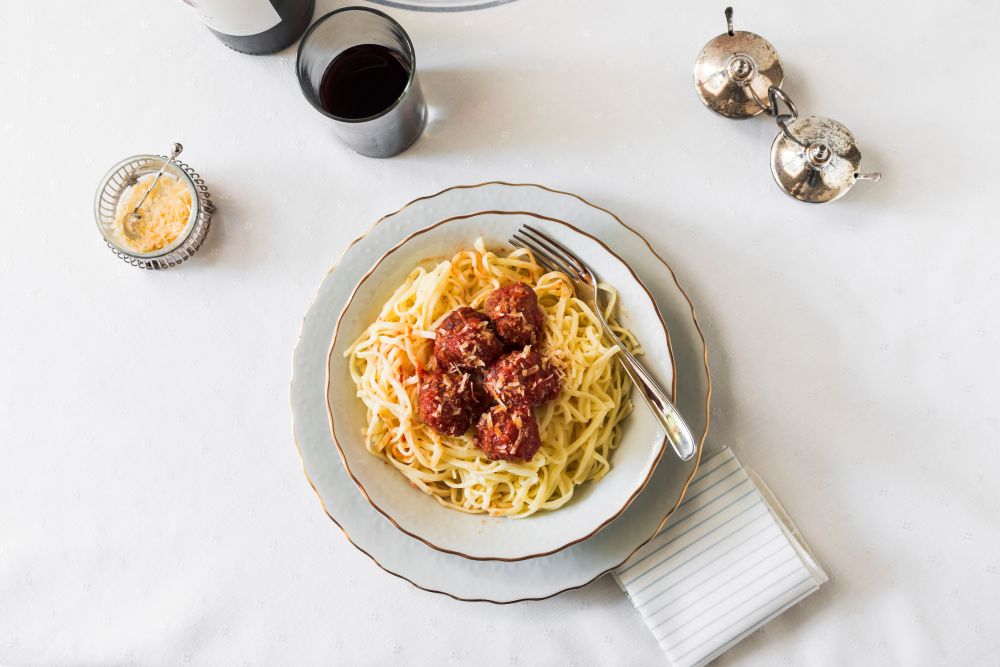
The easiest way to enjoy a tannic wine is to pair it with fatty, high-protein foods. A firm red that feels harsh on its own turns smooth and rounded next to a steak or a wedge of hard cheese. The food does the softening for you, which is one of the first rules of food and wine pairing and the classic reason bold reds and rich meats belong together.
The food-and-wine publication Enobytes explains the mechanism plainly. Tannins would rather bind to the fat and protein in your food than to the proteins in your saliva. When they grab the food instead, less of that drying grip reaches your mouth, so the wine tastes softer. It is sometimes called the “Camembert effect” because a high-fat cheese has a similar calming effect.
A few simple pairings make tannic wine easy to love, which helps if you are new to red wine:
- Fatty red meat: Steak, lamb and burgers all soften firm tannin.
- Hard, aged cheese: Mature cheddar and parmesan work the same way.
- Go easy with plain fish: Tannin can taste metallic against delicate white fish.
- Match the weight: Save the boldest, grippiest reds for the richest plates.
If you would rather sidestep heavy tannins altogether, look for lighter reds like Pinot Noir or lean on white, rosé, and sparkling styles. Learning a handful of tasting terminology also helps when you are choosing a bottle, since words like “grippy”, “firm” and “smooth” are all really talking about tannin.
Learn about tannins on a tour
The best way to understand tannin is to taste a few wines side by side and feel the difference. Come and try it with us on the vineyard estate in West Sussex.
Frequently Asked Questions
Are tannins in wine bad for you?
For most people, tannins are harmless in the amounts found in wine. They are polyphenols, the same broad family of plant compounds studied for their antioxidant activity. Some people find very tannic wine can trigger a headache, though the exact cause is still debated and tannin is only one possible factor.
Do all red wines have high tannin?
No. Tannin varies a lot by grape and style. Lighter reds such as Pinot Noir feel soft and gentle, while bold reds like Cabernet Sauvignon are much firmer and more drying.
Can you taste tannins in white wine?
Usually not much, because white wine is pressed off its skins before it ferments. The exceptions are oak-aged whites, which pick up a faint grip from the barrel, and skin-contact “orange” wines, which can be clearly tannic.
Does red sparkling wine have more tannin than white or rosé fizz?
Yes. Red sparkling wine, such as Lambrusco or sparkling Shiraz, is made from red grapes with skin contact, so it carries more tannin than white or rosé sparkling. White and rosé sparkling wines are pressed off their skins, which keeps their tannin very low.
What is the difference between tannin and acidity?
Tannin is a drying, grippy texture that comes from grape skins and seeds. Acidity is the fresh, mouth-watering tartness that makes a wine taste crisp. Both give a wine structure, but they feel completely different on the palate.
Sources
- Waterhouse Lab, University of California, Davis: Tannin: what tannins are, how astringency works, grape versus oak tannin levels, and how tannin softens with age.
- Journal of Agricultural and Food Chemistry: From Flavanols Biosynthesis to Wine Tannins: grape skins and seeds as the main source of wine tannin.
- Foods journal: Evolution of Seed Tannins during Grape Berry Maturation: the estimate that around 60 percent of wine tannin comes from the seeds, plus antioxidant background.
- Trends in Food Science and Technology: A review on astringency and bitterness perception of tannins in wine: how astringency softens as wine ages.
- Wine Enthusiast: What are Tannins, Really?: the four sources of tannin and rosé’s short maceration.
- Beer Judge Certification Program: Balance in Mead: that honey has no natural tannins, and how meadmakers add them.
- Wine Folly: Exploring the Styles of Vermouth: vermouth as a fortified, aromatised wine and the bitter botanicals behind its grip.
- Wine Folly: Different Kinds of Sparkling Red Wine: that bolder Lambrusco shows moderate tannin, while lighter and rosé styles have little to none.
- Wine Spectator: Why are red grapes fermented with the skins but white grapes aren’t?: red maceration versus white pressing, and skin-contact orange wine.
- Enobytes: The Science of Wine Pairing: how fat and protein soften tannin, and the “Camembert effect”.
- OENO One: Astringency perception in a red wine context, a review: how tannins bind salivary proteins and cause the loss of lubrication behind astringency.