Account






10 Things to Know About Sparkling Rosé Wine
Start exploring

Sparkling rosé is a pink wine with bubbles, and few bottles feel as cheerful to open. It gets its colour in one of two ways: a short soak on red grape skins, or a small splash of red wine. The bubbles then come from a second fermentation, the same process used for white sparkling wine.
Behind that pretty pink shade sits a surprising amount of skill. Winemakers can judge the colour by the hour, sparkling rosé follows different blending rules from any still rosé, and the same grapes can give you anything from a pale, zesty aperitif to a rich, toasty partner for roast duck. Once you know what shapes each bottle, choosing one becomes far easier, and a lot more fun.
Here are some key facts:
- Colour: From red grape skins or a splash of red wine
- Classic grapes: Pinot Noir, Chardonnay and Pinot Meunier
- Flavour: Red berries, citrus and fine bubbles
- Sweetness: Most bottles are dry (brut)
- Serve: Well chilled, between 4 and 10°C
Jump to a section
1. Sparkling Rosé Is Pink Wine With Bubbles
Sparkling rosé is a pink sparkling wine. It sits between white sparkling wine and red sparkling wine, with a light colour, fresh red-fruit flavours, and lively bubbles.
You may see it called pink fizz, rosé Champagne, pink Champagne, Cava Rosado or Prosecco Rosé. The name changes with the region, but the idea is the same: a sparkling wine that picks up a little colour from red grapes.
The best-known version comes from Champagne in France. Other good sources include England, Spain, Italy and several French regions outside Champagne. Each has its own grapes and rules, which we cover in number 6 below.
Jargon explained: second fermentation
A second round of fermentation that happens in a sealed bottle or tank. Yeast turns added sugar into alcohol and carbon dioxide, and the trapped gas becomes the bubbles.
2. The Pink Colour Comes From Blending or Skin Contact
Sparkling rosé is made in two stages. First, the winemaker creates a pink base wine. Then that wine goes through a second fermentation to create the bubbles. The pink colour can come from blending or from skin contact.
Method one: blending red and white wine
Some sparkling rosé is made by mixing red and white wine. In Champagne, blended rosés are made by adding 5 to 20% red wine to white wine, according to the Comité Champagne.
Blending gives the winemaker fine control. They can add red wine a little at a time until the colour and flavour look and taste right.
Jargon explained: assemblage
The French word for blending. In rosé sparkling wine, it usually means mixing a small amount of still red wine into white base wine before the bubbles are made.
Method two: skin contact (maceration and saignée)
The second method takes colour straight from the grapes. Nearly all grape juice is clear, even from red grapes. The colour lives in the skins, so the longer the juice rests with them, the pinker it becomes.
The Comité Champagne describes two versions:
- Macerated rosé: Juice from black grapes rests on the skins for about 36 hours
- Saignée rosé: A shorter rest of between 8 and 12 hours
Spanish Cava Rosado also uses skin contact. The D.O. Cava regulatory body explains that red grape skins spend a short time with the juice to add colour, before the wine follows the usual Cava process.
Jargon explained: saignée
French for “bleeding”. The winemaker lets pink juice run off red grapes after a short soak on the skins, then uses that juice to make rosé.
Here is how the two colour methods compare:
| Feature | Blending | Skin contact |
|---|---|---|
| How colour is added | A small amount of red wine is mixed into white wine | Juice rests on red grape skins for hours |
| Colour control | Very precise, adjusted by the glass | Depends on timing and the grapes each year |
| Typical style | Colour and flavour set by the blend | Often deeper colour and more flavour |
| Where you’ll find it | Widely used across sparkling regions, including Champagne | Some Champagnes, Cava Rosado |
Then come the bubbles
Once the pink base wine is ready, it needs its second fermentation. There are two main ways to do this:
- Traditional method: The second fermentation happens inside each bottle, as in Champagne, Cava and English sparkling wine
- Tank method: The second fermentation happens in a large sealed tank, as in Prosecco
Our guide to which sparkling wine method makes the best wine explains both in more detail.
Jargon explained: lees
The dead yeast cells left behind after fermentation. Traditional method wines rest on their lees in the bottle, which adds bready, toasty flavours over time.
3. Sparkling Rosé Can Be Blended, but Still Rosé Can’t
In the European Union, you can’t make still rosé by mixing red and white wine. Sparkling wine is the exception, which is why blended rosé Champagne is allowed.
In 2009, the EU dropped a plan that would have allowed blended still rosé, after protests from traditional rosé producers. Voice of America reported that the decision protected rosé made by skin contact, while sparkling wines already relied on blending in many regions.
So a still pink wine from Provence or England gets its colour from the skins. A pink sparkling wine from Champagne or England may get its colour from either method. Our rosé wine guide covers how still rosé is made.
4. Sparkling Rosé Tastes of Red Berries, Citrus and Sometimes Toast
Sparkling rosé usually tastes of red berries and citrus, with fresh acidity and fine bubbles. Styles range from light and zesty to rich and toasty.
The Comité Champagne groups rosé Champagne flavours roughly like this:
- Light styles: Citrus fruit and wild strawberries
- Fuller styles: Ripe yellow fruit and small red fruits
- Complex styles: Wild berries with earthy, forest-floor notes
- Older wines: Dried fruit and spice, and sometimes toast
Cava Rosado follows a similar pattern. The D.O. Cava describes colours from onion skin to raspberry pink, with red fruit, fresh berries and floral aromas.
5. Most Sparkling Rosé Is Dry
Most sparkling rosé is dry. The sweetness level is printed on the label, and “brut” is the most common. Prosecco Rosé, for example, can only be made from Brut Nature (the driest) to Extra Dry, according to the Prosecco DOC Consortium.
Red fruit flavours can make a dry wine seem a little sweeter than it is. For a full guide to the sweetness words, see brut vs extra dry vs demi-sec.
Jargon explained: brut
A label term for dry sparkling wine with very little sugar. Confusingly, “extra dry” is a touch sweeter than brut.
6. There Are Five Main Types of Sparkling Rosé
The main types of sparkling rosé are rosé Champagne, English sparkling rosé, Crémant rosé, Cava Rosado and Prosecco Rosé. They differ in grapes, method and style.
| Type | Where from | Key red grapes | Bubble method | Good to know |
|---|---|---|---|---|
| Rosé Champagne | Champagne, France | Pinot Noir, Meunier | Traditional | Blending (5 to 20% red) or skin contact |
| English sparkling rosé | Southern England | Pinot Noir, Pinot Meunier | Usually traditional | Crisp acidity from a cool climate |
| Crémant rosé | French regions outside Champagne | Pinot Noir, sometimes Gamay | Traditional | At least 9 months on the lees |
| Cava Rosado | Mainly Catalonia, Spain | Garnacha, Monastrell, Pinot Noir, Trepat | Traditional | At least 9 months ageing |
| Prosecco Rosé | North-east Italy | 10 to 15% Pinot Nero (Pinot Noir) | Tank | Always shows a vintage year |
Jargon explained: Pinot Meunier
A black-skinned grape from the Pinot family, also called Meunier. It adds soft, fruity flavours to sparkling wine and is one of the three classic Champagne grapes.
Prosecco Rosé: the newest style
Prosecco Rosé is a young category. Italy changed the Prosecco DOC rules in 2020 to allow it, according to Italian Wine Central. The Prosecco DOC Consortium sets the rules: Glera grapes with 10 to 15% Pinot Nero, at least 60 days of tank fermentation, and “Millesimato” plus the harvest year on every label.
Crémant rosé
Crémant is French sparkling wine made the traditional way, outside Champagne. Wine Folly notes that Crémant d’Alsace rosé must be 100% Pinot Noir, while Crémant de Bourgogne rosé uses Pinot Noir and sometimes Gamay. All Crémant rests on its lees for at least nine months.
English sparkling rosé
English sparkling rosé is usually made from the same grapes as Champagne, grown in southern England’s cool climate. Sparkling wine leads the English wine industry. According to WineGB figures reported by The Drinks Business, sparkling wine made up 69% of UK wine production in 2024.
The same report shows Chardonnay (33% of plantings) and Pinot Noir (30%) are the two most planted grapes in the UK. Pinot Noir gives English sparkling rosé its red fruit and colour. Our guide to the 10 grapes grown in the UK covers each one.
Those grapes ripen slowly through a long, cool season. You can follow their year from bud to harvest in our guide to England’s vineyard life cycle.
7. Sparkling Rosé Sits Between Still Rosé and White Fizz
Sparkling rosé combines the lively bubbles of white sparkling wine with the pink colour and red fruit flavours of still rosé. It also has one extra freedom: unlike still rosé, it can be made by blending red and white wine.
| Feature | Sparkling rosé | Still rosé | White sparkling |
|---|---|---|---|
| Bubbles | Yes | No | Yes |
| Colour source | Skins or added red wine | Skins only (in the EU) | No colour added |
| Typical flavours | Red berries, citrus, toast | Strawberry, melon, citrus | Apple, lemon, brioche |
| Best known as | Aperitif and food wine | Summer and food wine | Celebration and aperitif wine |
Sparkling red wine is darker again, with more body and sometimes a light grip from tannin. Our guide to sparkling red wine explains how it compares.
Is sparkling rosé the same as blanc de noirs?
No. Blanc de noirs is made from black grapes but pressed gently so the juice stays pale. Wine Spectator explains that blanc de noirs is usually gold or yellow, though some show a faint copper tint. Rosé is pink on purpose.
Jargon explained: blanc de noirs
French for “white from blacks”. A white sparkling wine made only from black-skinned grapes, such as Pinot Noir and Pinot Meunier.
8. The Label Helps You Choose a Good Sparkling Rosé
To choose a good sparkling rosé, check the label for the method, sweetness level, and vintage, then use the colour as a rough guide to body.
- Method: “Traditional method” or “méthode traditionnelle” means the bubbles formed in the bottle, which usually brings finer bubbles and more toasty depth
- Sweetness: Pick brut for a dry wine, or demi-sec for a sweeter one
- Vintage or non-vintage: A year on the label means the wine comes from a single harvest, while non-vintage (NV) blends several years for a steady house style
- Colour: More skin contact brings more colour and flavour, as Wine Spectator notes, so a deeper pink often means a fuller wine
- Region: Champagne, England and Crémant for finesse, Cava for value, Prosecco Rosé for light, fruity drinking
Our complete guide to sparkling wine covers label terms for all colours of fizz.
9. Sparkling Rosé Tastes Best Well Chilled
Serve sparkling rosé well chilled, between 4 and 10°C, in a tulip-shaped glass or a white wine glass. VinePair places sparkling wine in its coldest serving band, at 40 to 50°F.
- Chill: A few hours in the fridge, or about 20 to 30 minutes in an ice bucket filled with ice and water
- Glass: A tulip shape keeps the bubbles lively and leaves room for the aromas (see our guide to the best glasses for sparkling wine)
- Pour: Tilt the glass and pour slowly down the side so the foam doesn’t overflow
- Temperature tip: Fuller, older rosés show more flavour at the warmer end of the range
10. Sparkling Rosé Pairs With More Food Than You Might Think
Sparkling rosé pairs well with salmon, roast poultry, duck and light game, as well as salty snacks and red fruit desserts. Its acidity cuts through rich food, and its red fruit flavours can stand up to meatier dishes than white fizz.
The Comité Champagne singles out roast poultry as a classic match for rosé Champagne. Decanter suggests vintage rosé with grilled salmon, venison, pheasant and duck, because a higher share of Pinot Noir gives these wines extra richness.
With light, fresh sparkling rosé
Best for: Aperitifs, brunch, summer gatherings
- Smoked salmon blinis
- Prawn cocktail or crab on toast
- Strawberries and cream
With fuller or vintage sparkling rosé
Best for: Dinner parties, autumn and winter meals
- Roast chicken or guinea fowl
- Duck breast with a berry sauce
- Venison or pheasant
Taste Sparkling Rosé at the Source
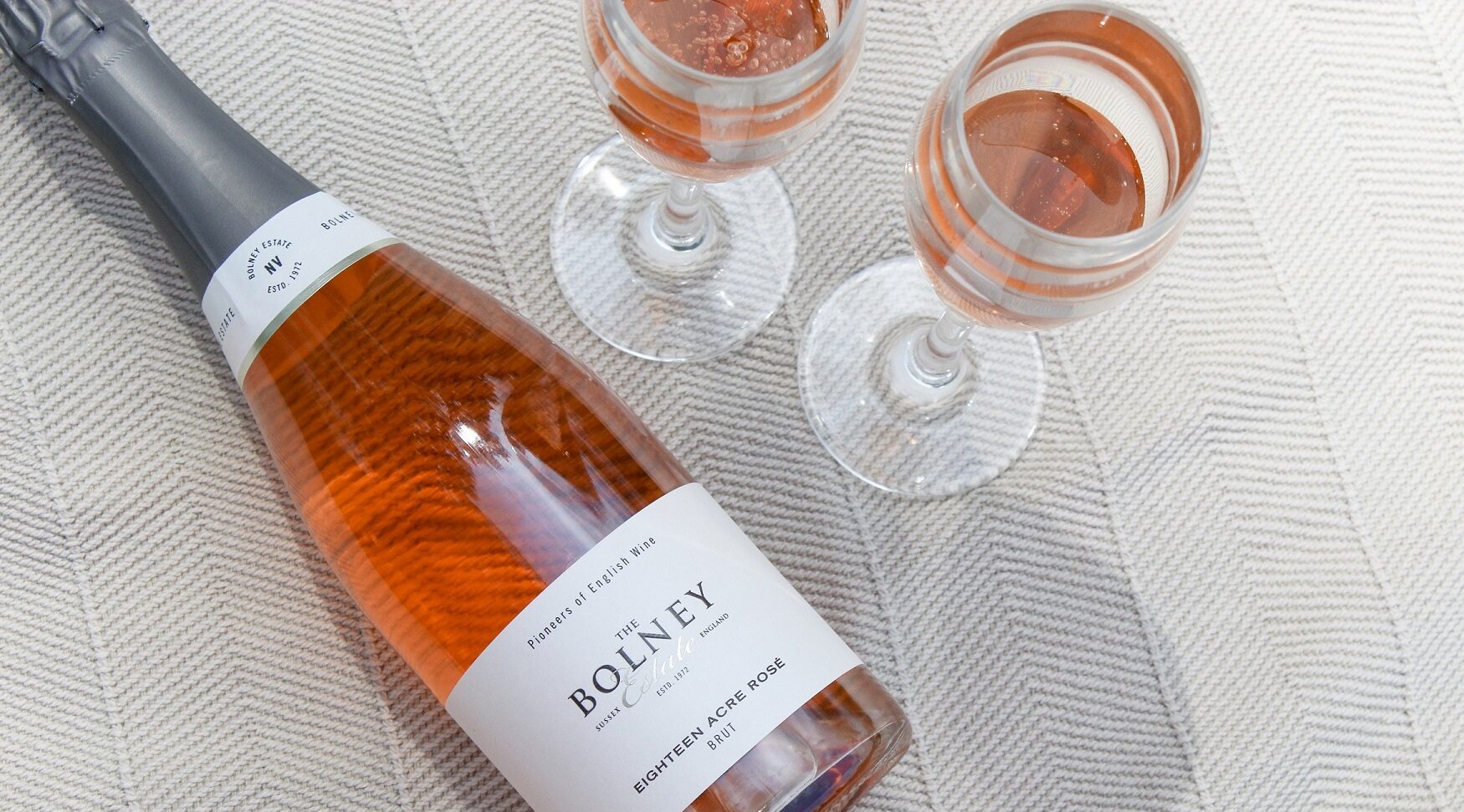
The easiest way to learn what you like is to taste a few styles side by side. Join a tour and tasting at Bolney Wine Estate in West Sussex, where vines have grown since 1972.
Frequently Asked Questions
Is sparkling rosé the same as pink Champagne?
Pink Champagne is one type of sparkling rosé. Only sparkling rosé from the Champagne region of France can be called Champagne. Sparkling rosé is also made in England, Spain, Italy and other French regions.
Is sparkling rosé made by mixing red and white wine?
Sometimes. Sparkling rosé can be made by blending a small amount of red wine into white wine, or by letting the juice sit on red grape skins. In the EU, blending is allowed for sparkling rosé but not for still rosé.
Is sparkling rosé sweet or dry?
Most sparkling rosé is dry. Look for “brut” on the label for a dry wine, or “demi-sec” for a sweeter one. Red fruit flavours can make a dry sparkling rosé seem slightly sweet.
Can sparkling rosé age?
Traditional method sparkling rosé can age well, especially vintage bottles. With time, the fresh berry flavours soften into dried fruit, spice and toast. Tank method rosé, such as Prosecco Rosé, is usually made to be drunk young and fresh.
What temperature should sparkling rosé be served at?
Serve sparkling rosé well chilled, between 4 and 10°C. Lighter styles suit the colder end, while fuller and vintage rosés show more flavour a little warmer.
Sources
- Comité Champagne: Champagne Rosé: blending (5 to 20% red wine), maceration and saignée timings, flavour styles, roast poultry pairing
- Voice of America, 2009: EU Scraps Plan to Allow Blended Rosé Wines: EU rules on blending still rosé and the sparkling exception
- D.O. Cava: Rosé Cava: skin contact method, grape varieties, minimum ageing, tasting notes
- Prosecco DOC Consortium: Production of Prosecco DOC Rosé Has Been Approved: grape blend, fermentation time, vintage labelling, sweetness range
- Italian Wine Central: Rosy Future for Prosecco: 2020 rule change allowing Prosecco Rosé
- Wine Folly: Learn All About Crémant Wine: Crémant rosé grapes and minimum lees ageing
- The Drinks Business, 2025: English Wine Sales Climb 3%: WineGB figures on sparkling share of production and grape plantings
- Wine Spectator: What’s the Difference Between Rosé and Blanc de Noirs?: blanc de noirs definition, skin contact and colour
- VinePair: The Right Temperature to Serve Every Type of Wine: sparkling wine serving temperature
- Decanter: Insider Tips for Pairing Champagne With Food: vintage rosé pairings with salmon, venison, pheasant and duck