Account





What Is Wine Tasting?
Start exploring

Wine tasting is often talked about as though it’s something reserved for experts, but in reality, it’s one of the most approachable and enjoyable ways to learn about wine (especially when you experience it at a vineyard). What was once limited to cellars and competitions is now part of vineyard visits, restaurant culture, and curiosity.
If you’ve ever wondered what wine tasting actually involves, why people do it, or whether you’ll feel out of place as a beginner, this guide is for you. We’ll walk through the purpose of wine tasting, how it works, the language you’ll hear, and what makes wine tasting in Southern England unique.
By the end, you’ll know exactly what to expect and feel confident enough to enjoy it properly.
What Is Wine Tasting?
Wine tasting involves sampling different wines, comparing them, and noting their flavours, aromas, and textures. Rather than drinking a glass of wine and relying on a vague impression of “liking” or “disliking,” wine tasting follows a structured method that considers factors such as acidity, sweetness, tannin, body, aroma, and finish.
Learning to recognise these elements helps drinkers interpret wine labels, understand what a wine style will taste like, and navigate a restaurant wine list with confidence. Even a casual tasting becomes more informative when you focus on these characteristics, giving context to the choices you make in shops, at vineyards, or when ordering a bottle of wine.
A typical wine tasting focuses on:
- Aroma (what you smell)
- Flavour (what you taste)
- Structure (how the wine feels in your mouth)
- Balance (how well everything works together)
At a professional level, wine tasting often follows a set structure. Wines may be compared side by side and assessed against agreed standards, sometimes using scores. On the other hand, in a guided tasting, such as those held at vineyards, the structure is there to help rather than to judge. You may be invited to compare wines, talk through flavours, or learn why a wine was made in a particular way. In casual wine-tasting settings, the aim is not to decide whether a wine is “good” or “correct”, but to notice how it looks, smells, tastes, and feels to drink.
Wine tasting is also personal and subjective. People notice different things because our senses, palettes, experiences, and memories are not the same. Rather than trying to remove this difference, wine tasting accepts it. What matters is enjoying the process of evaluating how a wine tastes and understanding your own response to the wine in the glass.
What Is the Purpose of Wine Tasting?
Wine tasting serves several purposes, from helping consumers understand their own preferences to guiding winemakers, sommeliers, and other wine professionals in assessing and refining wines.
The Purpose of Wine Tasting for Consumers
Wine tasting helps people understand how and why wines differ and how those differences affect their preferences. For many wine drinkers, tasting is an enjoyable way to learn about wine. It helps you pay attention to flavour, texture, and balance, and understand which styles suit your palate.
Tasting wine side by side makes these differences clearer. When wines are compared, patterns begin to emerge. You might notice that you prefer higher acidity in white wines, enjoy sparkling wines with layered flavours, or favour reds that have spent time ageing in oak.
Over time, tasting turns instinctive likes and dislikes into something you can recognise and describe. It also makes it easier to choose wines in shops, restaurants, or vineyards without guesswork.
The Purpose of Wine Tasting at Vineyards and Guided Sessions
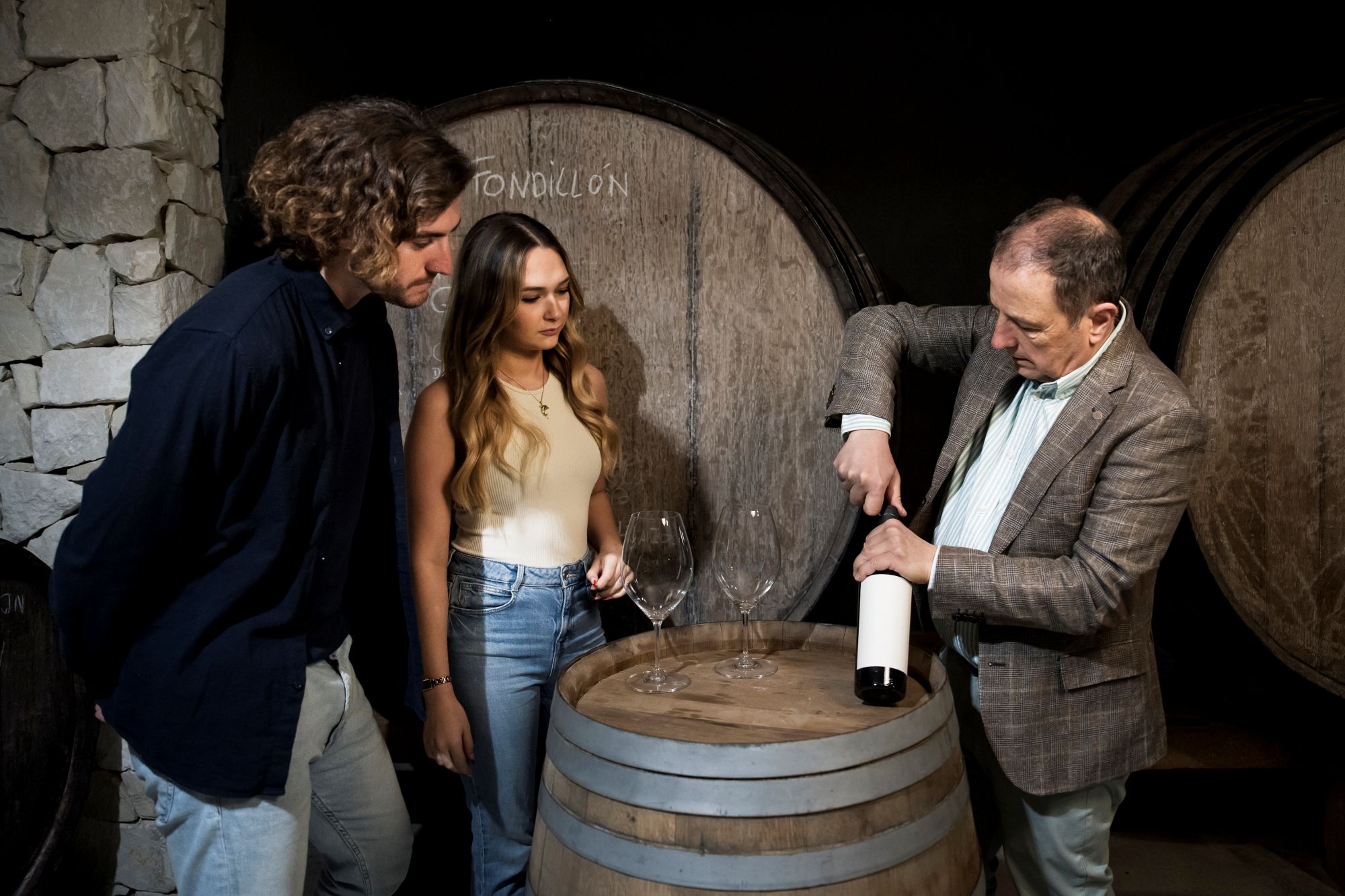
At vineyards and wineries, wine tasting is used to explain how a wine is made and why it tastes the way it does. During a guided tasting session, your guide will explain how grape variety, climate, and soil (collectively known as the “terroir”) influence a wine’s flavour, texture, and aroma, and how winemaking decisions shape its final character.
For many visitors, this is the moment when wine starts to make sense. Through tasting, you start to identify flavours, see how they relate to the wine’s origin and production, and become familiar with the wine terminology used to describe them.
The Purpose of Wine Tasting in Winemaking
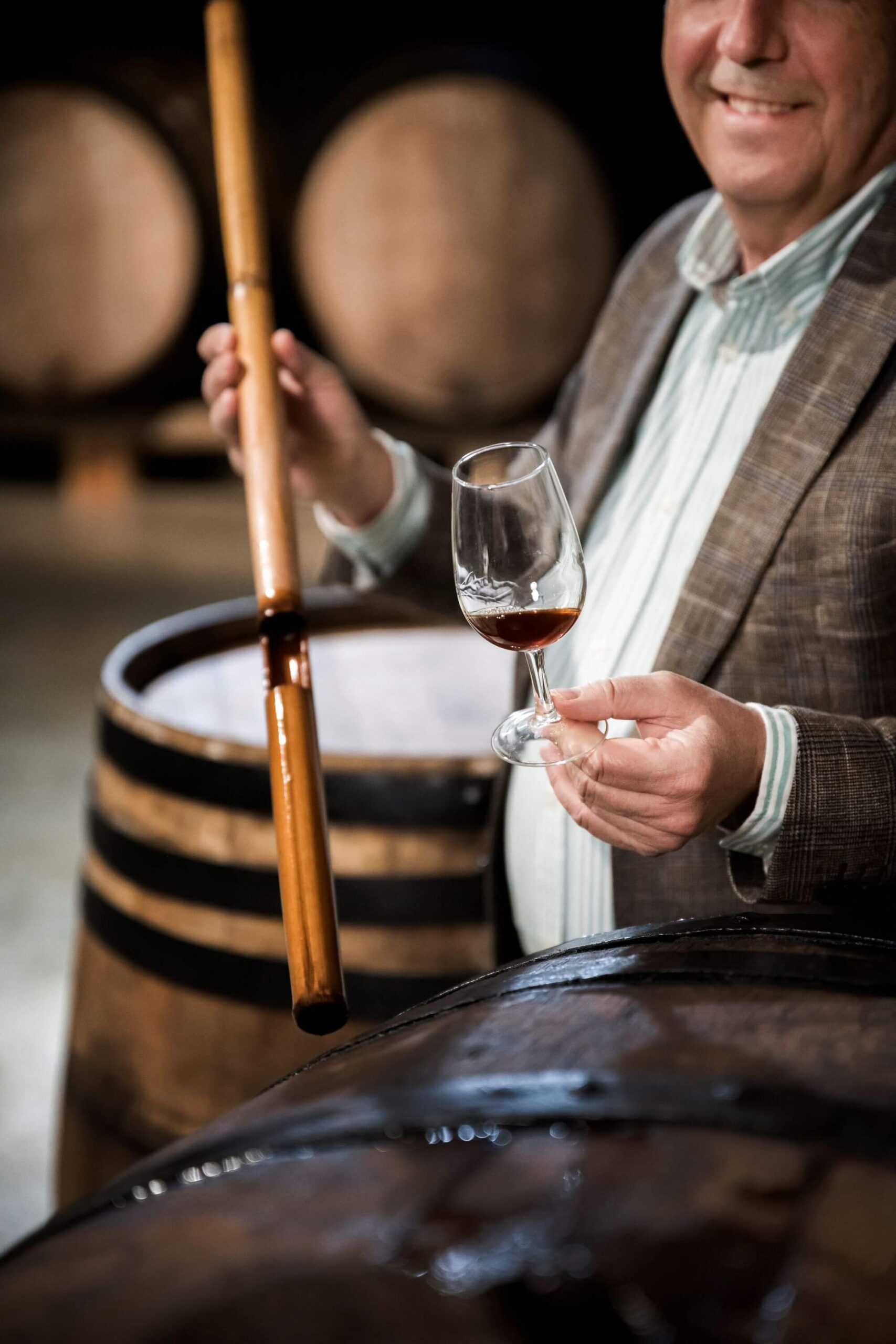
Wine tasting is part of the winemaking process from start to finish. Winemakers taste regularly as a wine develops, using what they observe to guide practical decisions. These tastings help determine when to harvest, how fermentation is progressing, whether a wine should age in stainless steel tanks or barrels, and when it is ready to be blended or bottled. Here, tasting is focused and precise.
The aim of wine tasting for winemakers is to assess balance, structure, and stability, making sure that each wine develops as intended, stays true to its style, and maintains the quality customers expect. For example, Bolney Estate’s Bolney Bubbly NV Brut is carefully evaluated so its signature flavours of brioche, citrus fruits, and honeysuckle, with green apple and subtle pineapple notes, remain consistent across vintages (the wine made from grapes harvested in a specific year).
Tasting in this way helps winemakers check that acidity, tannins, texture, and aroma are all in harmony, and that the wine’s character aligns with the vineyard’s vision and previous years’ production. The result is that when a bottle appears on a wine list or in a shop, drinkers can expect the style and quality indicated on the label.
The Purpose of Wine Tasting in Awards and Competitions
Wine tasting is also used in competitions to see how well a wine performs within its category. Judged blind, wines are assessed for their style, region, and vintage, with medals such as Gold, Silver, Bronze, and Commended awarded to the top entries.
For example, Bolney Estate’s Classic Cuvée NV Brut was a Commended Wine at the International Wine Challenge (IWC) 2024, recognised for its balance, texture, and complexity in the Sparkling Wine category, even if some drinkers might prefer a different style. For English wines in particular, awards like this highlight a growing international reputation.
Through professional tastings and awards, winemakers can assess their wines against style and quality standards, while consumers use awards as a guide to what to expect from a wine before opening it.
Why Do Wine Tasting?
People go wine tasting for many reasons, and no prior knowledge is needed to enjoy it. Some are curious about wine and want to learn to recognise grape varieties such as Chardonnay, Pinot Noir, and Sauvignon Blanc. Others are interested in exploring wines from different regions, such as French Champagne, Italian Barolo, Spanish Rioja, and English sparkling wine, and in understanding how climate and soil influence flavour.
Many people enjoy wine tasting as a relaxed way to spend time in a vineyard, at a restaurant with a tasting menu, at a wine bar, at an organised tasting event, or at home. It offers the chance to compare a zesty Sauvignon Blanc with a richer, oak-aged Chardonnay, or a light, fruity Pinot Noir with a more full-bodied Syrah. Wine tasting is also popular with foodies looking to learn how different wines pair with meals, and with hosts who enjoy dinner parties, helping them select wines that will impress their guests.
Wine tasting is social as well. It encourages conversation and comparison, with opportunities to debate whether the first sip of a sparkling wine tastes more of hedgerow fruits or brioche, or to notice subtle spice notes in a new red. It suits couples, friends, small groups, or anyone who wants to know more about wine while enjoying it together.
How Wine Tasting Works (Step by Step)
Most guided wine tastings follow a similar structure. At a vineyard tasting session, you’ll usually be introduced to the wines you’re about to taste, including the grape variety and style.
A typical session includes four to eight wines, depending on the venue and format. Each is poured in a small measure of about 25–50 ml (1-2 fluid ounces), which usually equals two or three measured sips, not a full glass. Sessions often last 45 minutes to an hour, with time built in to pause, compare, and ask questions.
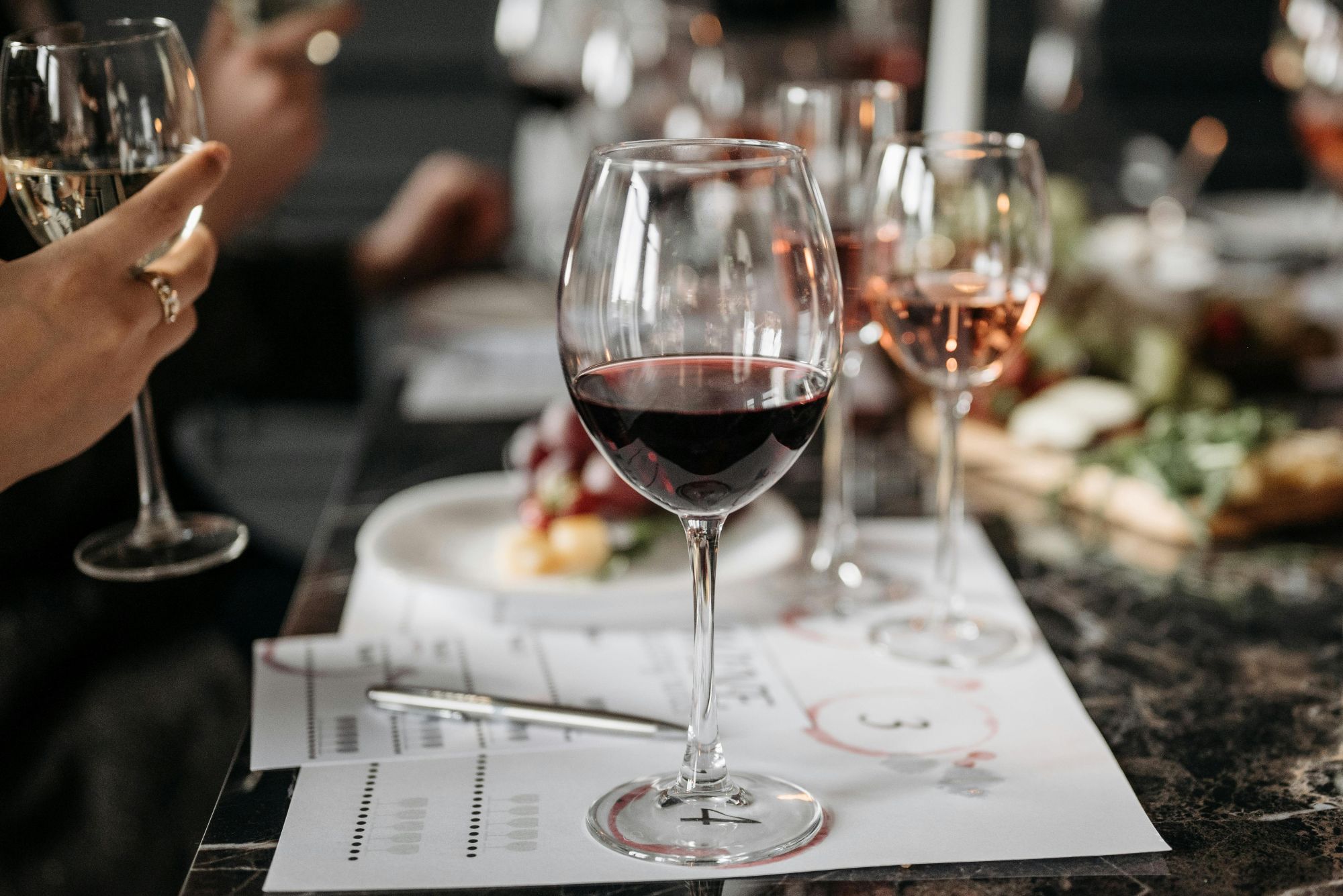
At the start, you’re usually given a tasting list showing the wines you’ll sample, including grape variety, style, and sometimes the vintage. The list is a useful reference as you move through the tasting and helps you keep track of flavours and impressions.
You’ll begin by observing the wine, noting colour, clarity, and how it moves in the glass. These details can hint at body, age, and winemaking choices.
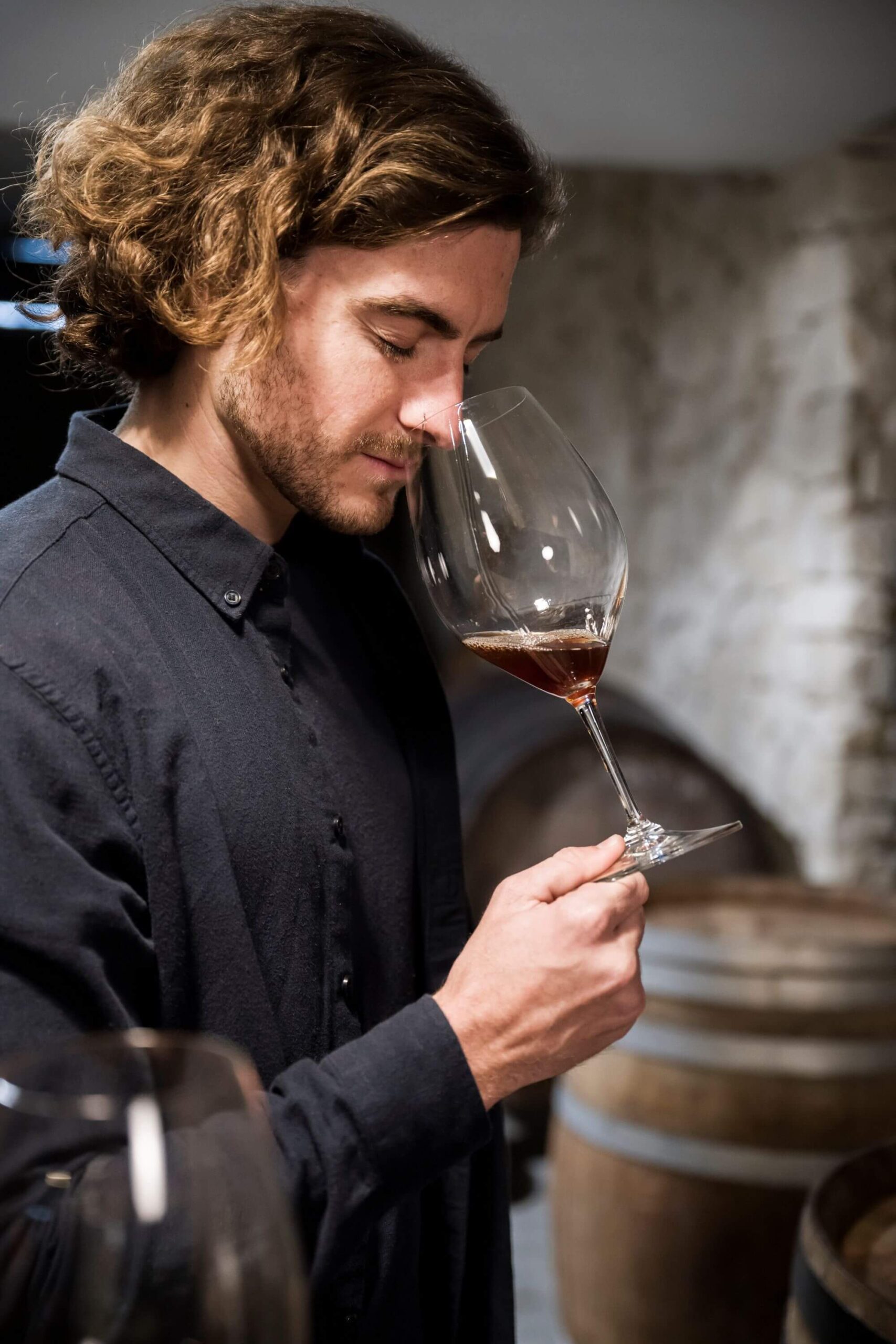
Next comes aroma. Gently swirling the glass releases the wine’s aroma, making it easier to identify notes such as fruit, floral, herbal, or toasted aromas. This stage is often described as assessing the nose of the wine.
Then comes tasting. One small sip is enough to assess flavour, texture, balance, and how long the taste lingers after swallowing or spitting. When several wines are tasted in one session, spittoons are provided so you can focus on evaluation rather than alcohol intake. Water is usually available to refresh your palate between wines, and some venues offer tasting mats or note sheets to help record impressions.
Beginner Wine Tasting Terms (Explained Simply)
You’ll hear certain terms during a wine tasting, but they’re easier to understand than they sound. Here are some of the most common terms you’ll hear:
- Acidity: The mouth-watering quality that gives wine freshness and lift. It’s similar to the sensation you get from a squeeze of lemon — not sour, but bright and palate-cleansing. Wines with higher acidity feel more lively and refreshing, a hallmark of English sparkling wines and many cool-climate whites.
- Body: How heavy or light the wine feels in your mouth. A light-bodied wine feels delicate, while a full-bodied wine feels richer and more substantial.
- Tannins: Naturally occurring compounds found mainly in red wines, but also in tea, coffee and some fruits. They create a drying, slightly gripping sensation on the gums, similar to strong black tea. In wine, tannins provide structure and influence how a wine evolves and softens as it ages.
- Finish: Describes how long the flavours remain after swallowing or spitting the wine. A longer, more layered finish often points to greater complexity and care in winemaking.
- Balance: Refers to how well a wine’s elements — fruit, acidity, alcohol, tannins and sweetness — work together. A wine is balanced when no single feature feels too strong or distracting, so the wine tastes smooth and easy to enjoy.
Don’t worry about memorising these terms. Your wine tasting guide should explain these to you during your session. Over time, you’ll naturally start recognising them.
Is Wine Tasting the Same as Drinking Wine?
Not exactly. Wine tasting uses smaller pours of around 25–50 ml (1-2 fluid ounces), the same as a shot or a double shot of alcohol. Compare this with a standard glass of wine at around 175 ml (6 fluid ounces). Sampling wine focuses on observation, smell, and flavour rather than drinking full glasses.
During a session, you may taste several wines, often including different styles such as sparkling, white, rosé, and red. Wine experts often recommend not swallowing every sample. Using a spittoon lets you experience the wine fully without becoming intoxicated, keeping your senses sharp, so you can accurately compare the flavours, aromas, and textures of each wine. However, if you have a designated driver for the ride home, you are very much allowed to drink the samples should you prefer.
Why Visit a Vineyard for Wine Tasting?
Visiting a vineyard makes wine tasting fully immersive, combining education, scenery, and hands-on learning. A typical vineyard tour lasts about 1.5 hours and is led by an expert guide who explains each step of the journey from vine to wine.
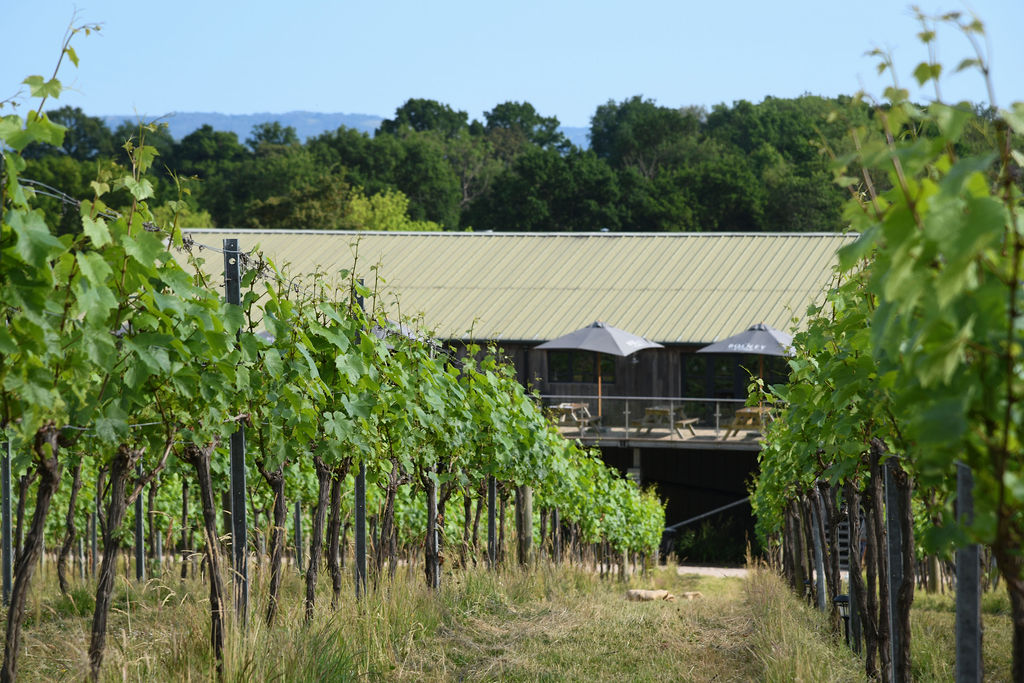
The experience usually begins with a walk through the vineyard itself. Here, you can see the grapes growing on the trellises, notice how the vines are cared for throughout the seasons, and learn about the history and heritage of the vineyard. Observing the vines up close makes it easier to understand how climate, soil, and cultivation affect the final wine.
Next, you’ll visit the winery. Behind the scenes, you can see how grapes are pressed, fermented, blended, and filtered. Guides explain the techniques used to craft high-quality wines, giving insight into the care and expertise required at every stage of production.
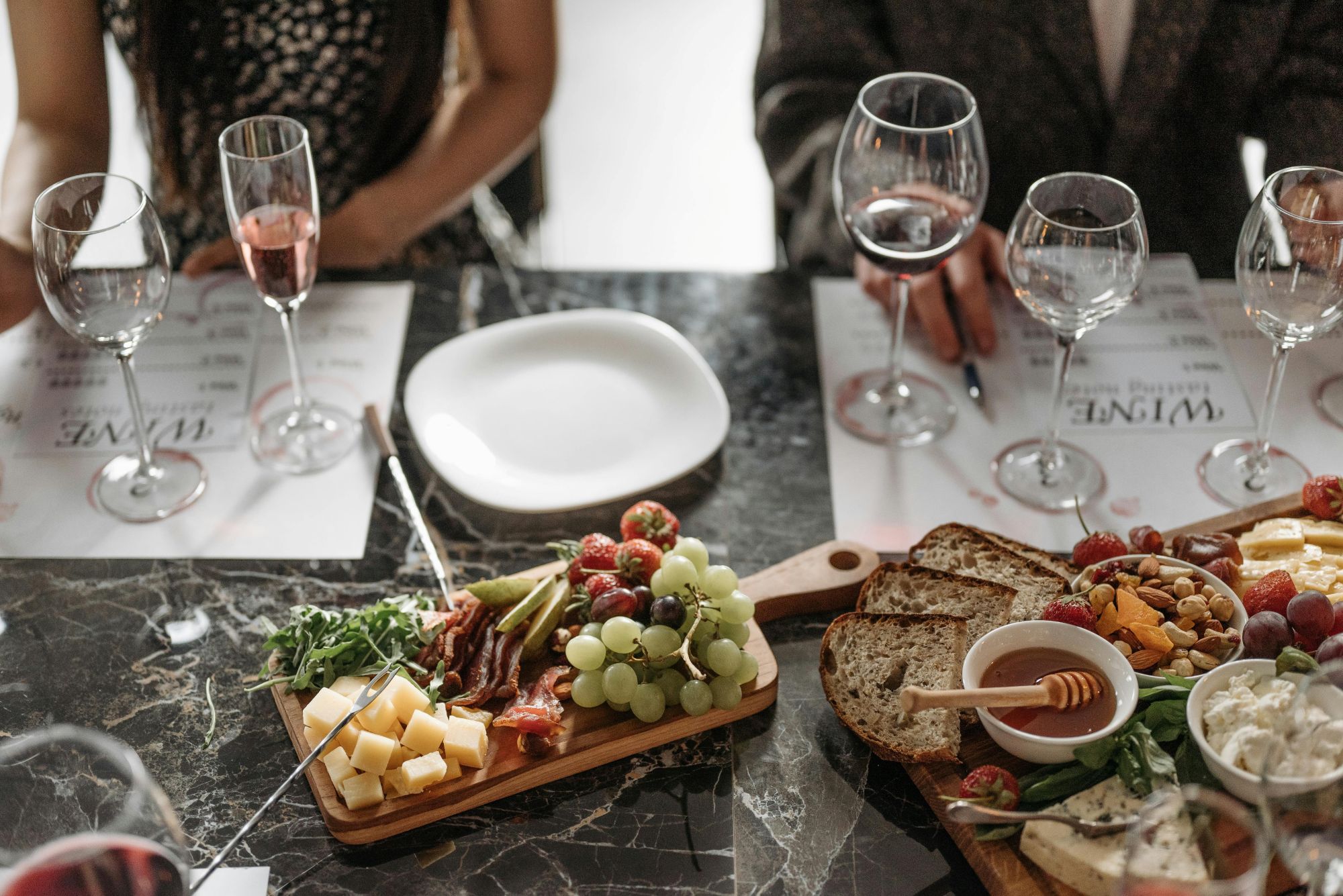
The tasting session brings everything together and is the opportunity to try the wine where it’s made. Many tastings take place in a tasting room or even among the rows of vines in the summertime. Many vineyards also pair wines with food — often local cheeses or small plates — so you can explore how flavours complement one another.
A vineyard visit may include additional highlights, such as wine cellars, wine shops, cafés, and restaurants. Such wine estates make it easy to spend a full day exploring the vineyard, enjoying the scenery, tasting wines, and learning about winemaking. Compared to tasting at home or in a restaurant, vineyard tours and tastings offer a deeper understanding of wine, connecting what you drink directly with where it comes from and how it’s made.
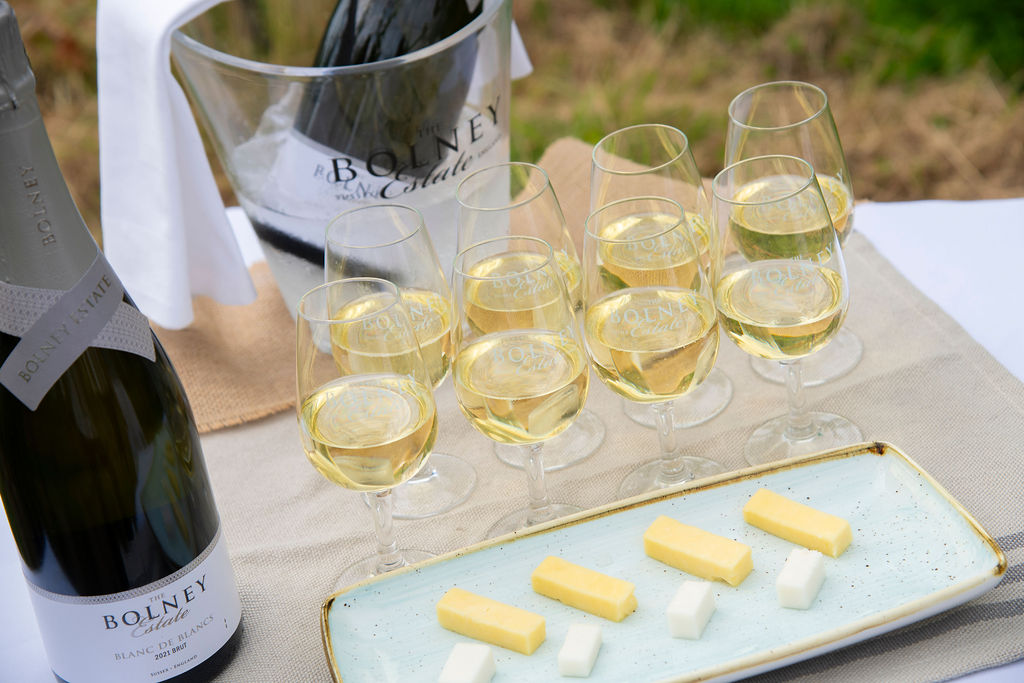
Experience Wine Tasting at Bolney Estate
If you’re ready to experience wine tasting in Southern England for yourself, plan a vineyard tour and tasting session in West Sussex. England’s largest wine region is waiting just for you!
With friendly guided tastings, idyllic English-countryside surroundings, and award-winning English wines, a visit to Bolney offers a relaxed, informative experience for beginners and enthusiasts alike.