Account






What Happens In An English Vineyard During Winter
Start exploring

Winter is often the most misunderstood time of year in an English vineyard. With bare vines and quieter landscapes, it can look as though everything has stopped. In reality, winter is when much of the thoughtful, behind-the-scenes work of both viticulture and winemaking takes place.
In a cool climate like West Sussex, winter has a big influence on the character of English wine. Colder temperatures and shorter days slow everything down, which suits the fresh and lively character these wines are known for.
A closer look at winter activity helps explain why English wines taste the way they do.
Where Winter Fits in the Vineyard Year
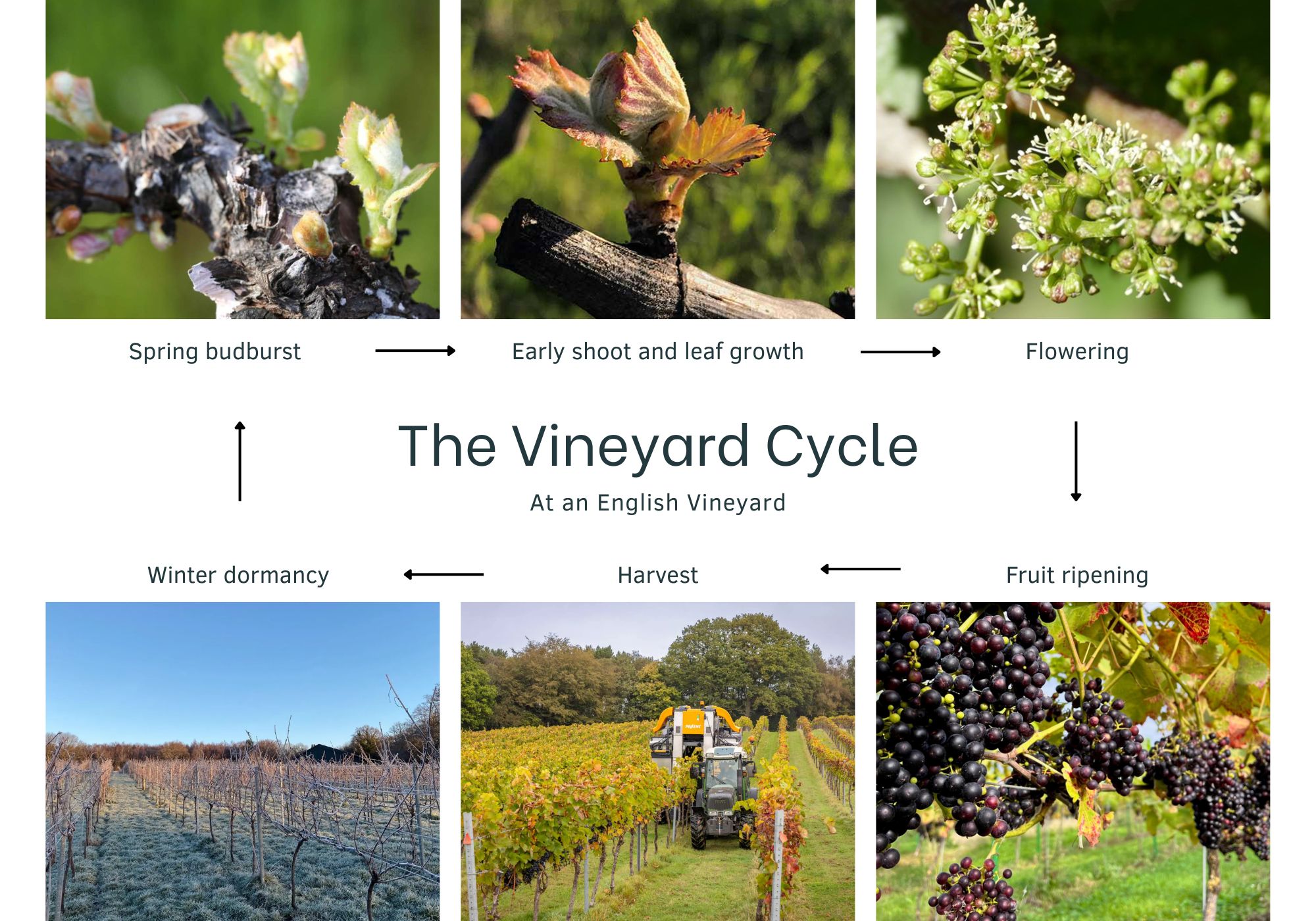
The English vineyard year follows a natural rhythm. Spring brings budburst and early growth, summer focuses on ripening, autumn is shaped by harvest and fermentation, and winter provides a pause that allows vines and wines to settle.
In southern England, winter typically brings:
- Daytime temperatures between 3–8°C
- Regular nights close to or just below freezing
- The shortest daylight hours of the year, often under eight hours a day
Cold weather and reduced daylight work together to signal to the vine that the growing season is over.
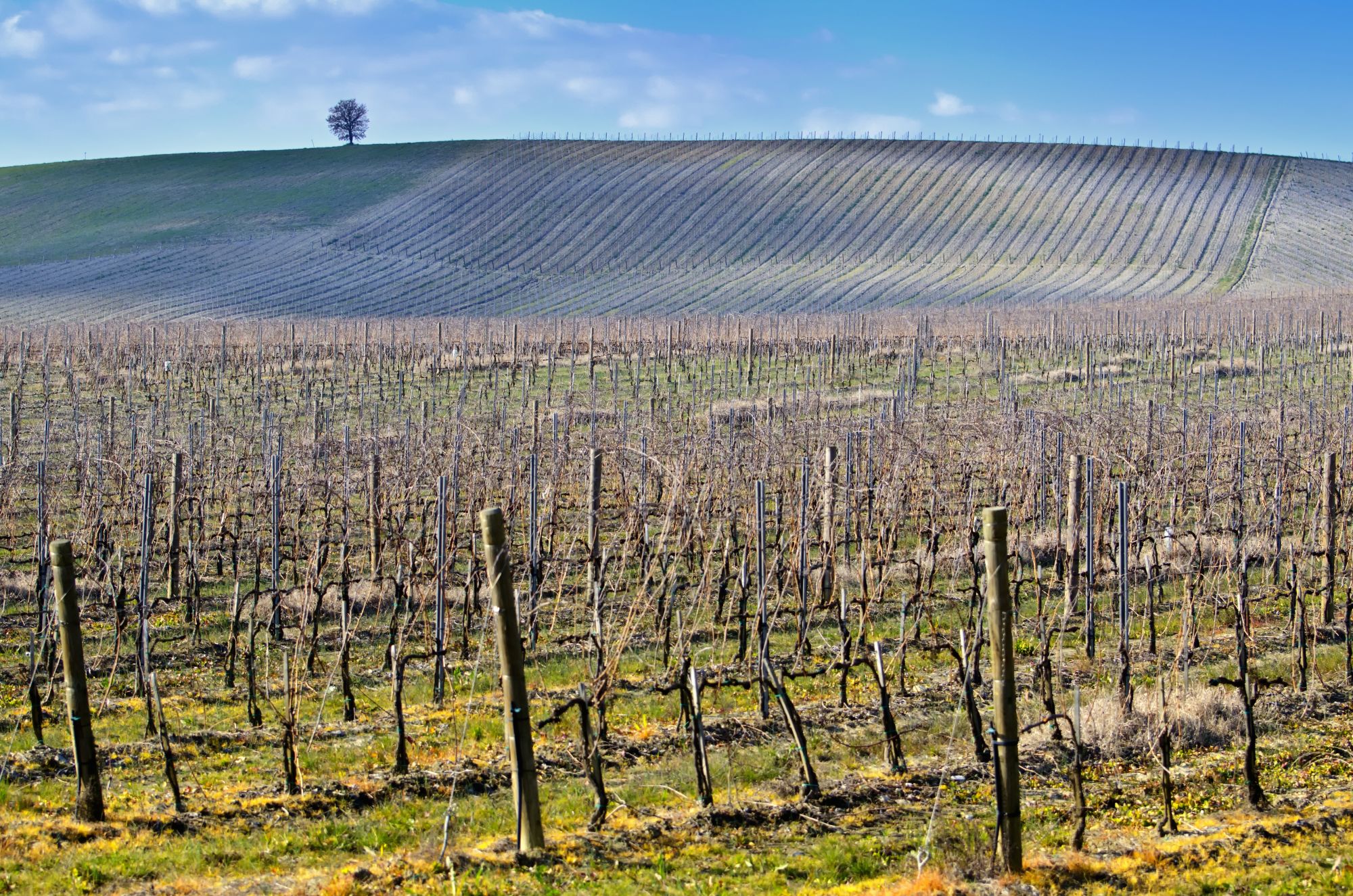
What an Ideal Winter Looks Like in a Cool-Climate Vineyard
A good winter in a cool-climate vineyard is steady rather than extreme. Conditions do not need to be dramatic to be effective.
An ideal English vineyard winter usually includes:
- Consistently cold temperatures below 10 °C without long, severe freezes
- Regular light frosts, which help reduce pests and disease
- Enough rainfall to replenish soils, without prolonged waterlogging
- Occasional wind, which helps vineyards dry out after rain
Winter rainfall in West Sussex often sits around 50–80mm per month. Well-drained soils cope best with this, allowing vineyard teams to access rows when needed and keeping roots healthy.
Snow is rare but generally harmless. A light covering can even protect soil and roots during particularly cold nights.
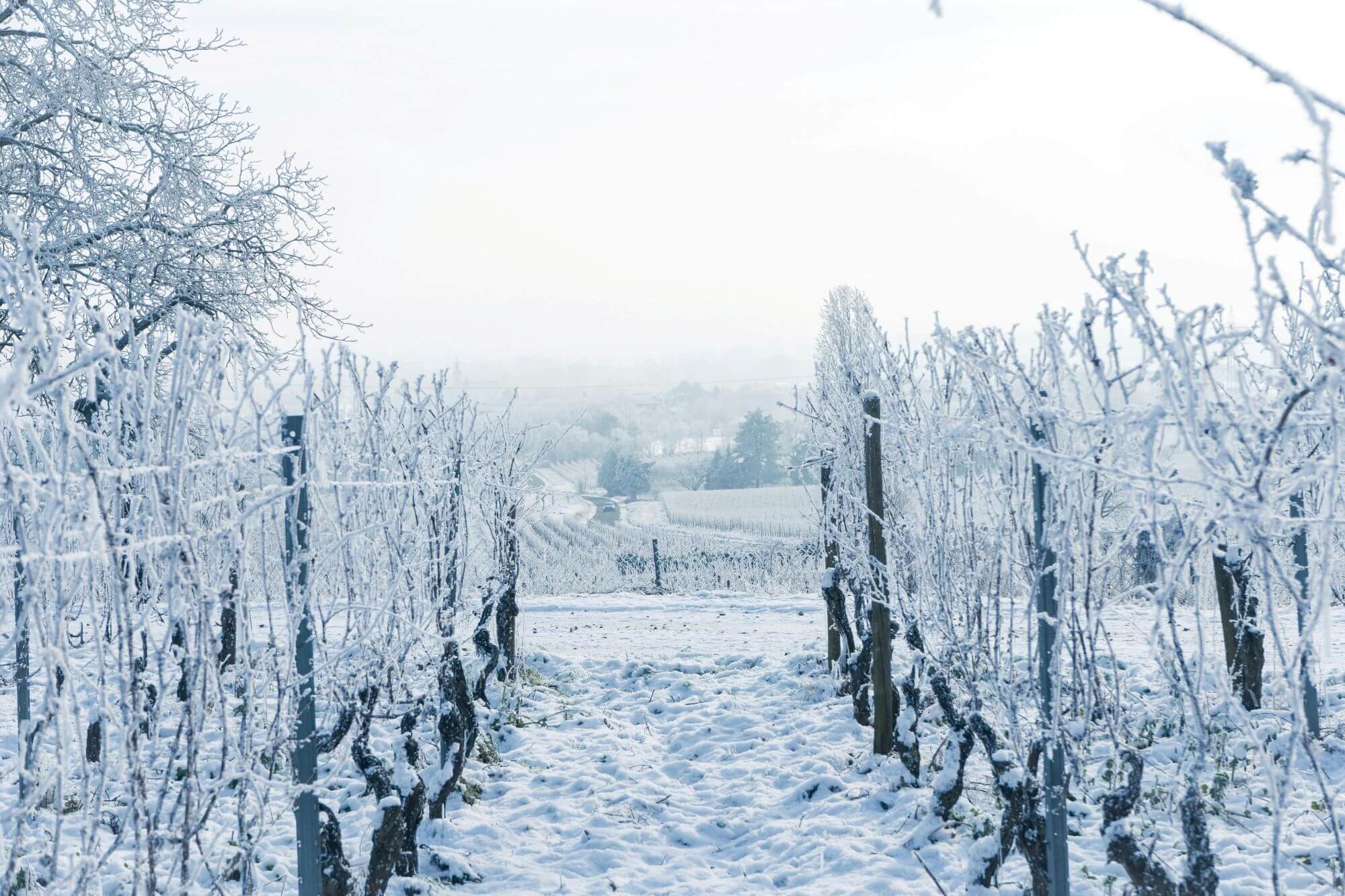
What Happens To The Vines During Winter?
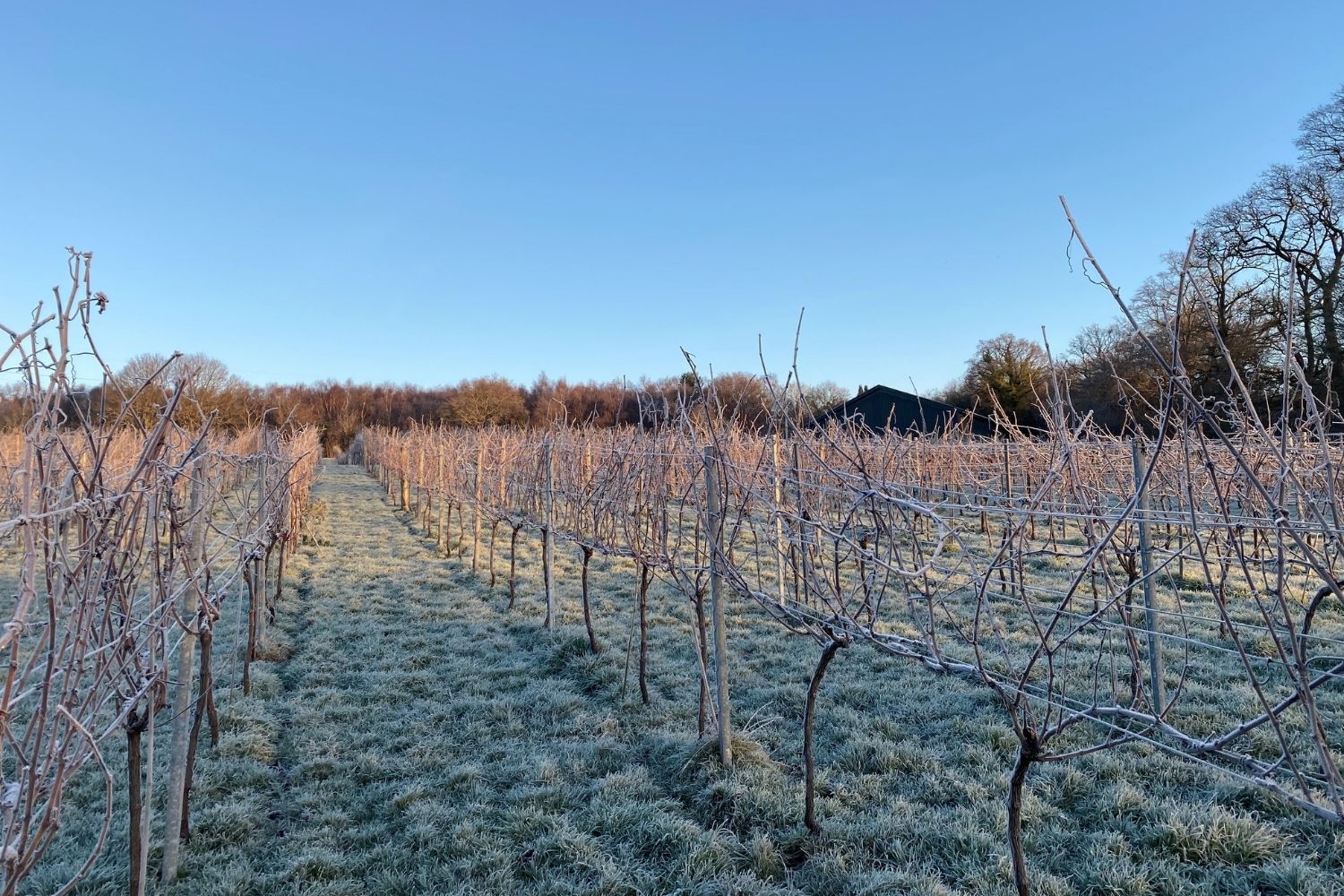
After harvest, leaves fall and vines enter dormancy. Dormancy is the vine’s natural resting phase, when growth stops, and energy is stored for the following year.
One reason vines can rest is the slowdown of sap flow. Sap flow is the movement of water and nutrients inside the vine. During the growing season, sap moves actively from the roots to the shoots and leaves. In winter, cold temperatures and shorter days slow that movement almost to a stop, allowing the vine to pause without trying to grow.
Winter also gives vineyard teams a clear view of the vineyard’s structure. Without leaves, it becomes easier to:
- Assess vine shape and balance
- Inspect posts, wires and supports
- Plan pruning for later in the season
Pruning usually begins towards the end of winter or early spring, once the harshest cold has passed, reducing the risk of frost damage to fresh cuts.
“Winter gives us the chance to really see the vineyard clearly,” says Bolney Estate winemaker Miguel Symington. “You can assess structure, plan ahead, and make sure everything is ready before growth starts again.”
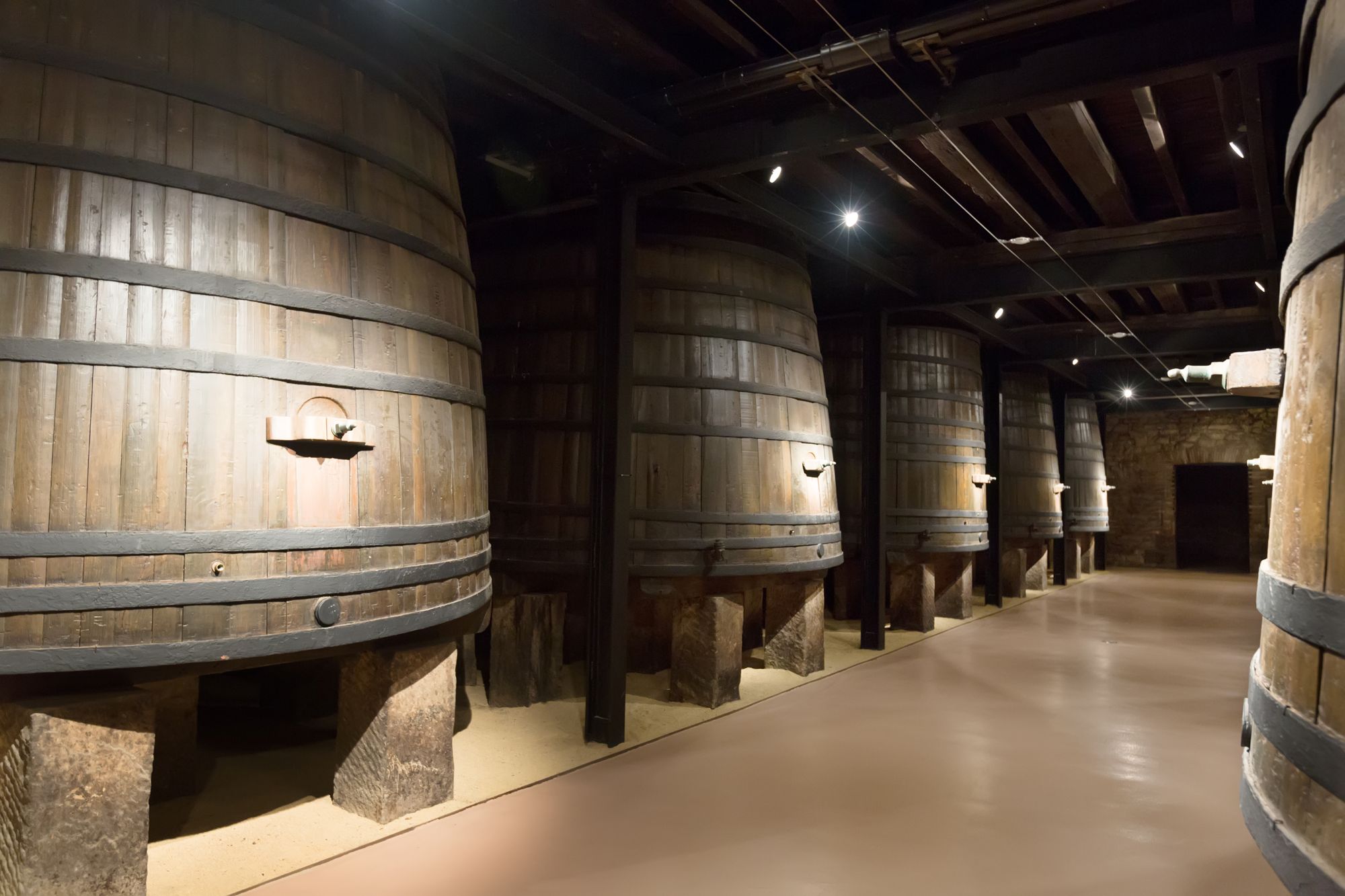
Inside The Winery
While the vineyard rests, winter becomes a key time inside the winery. After autumn fermentation, young wines rest in stainless-steel tanks or oak barrels during the winter months.
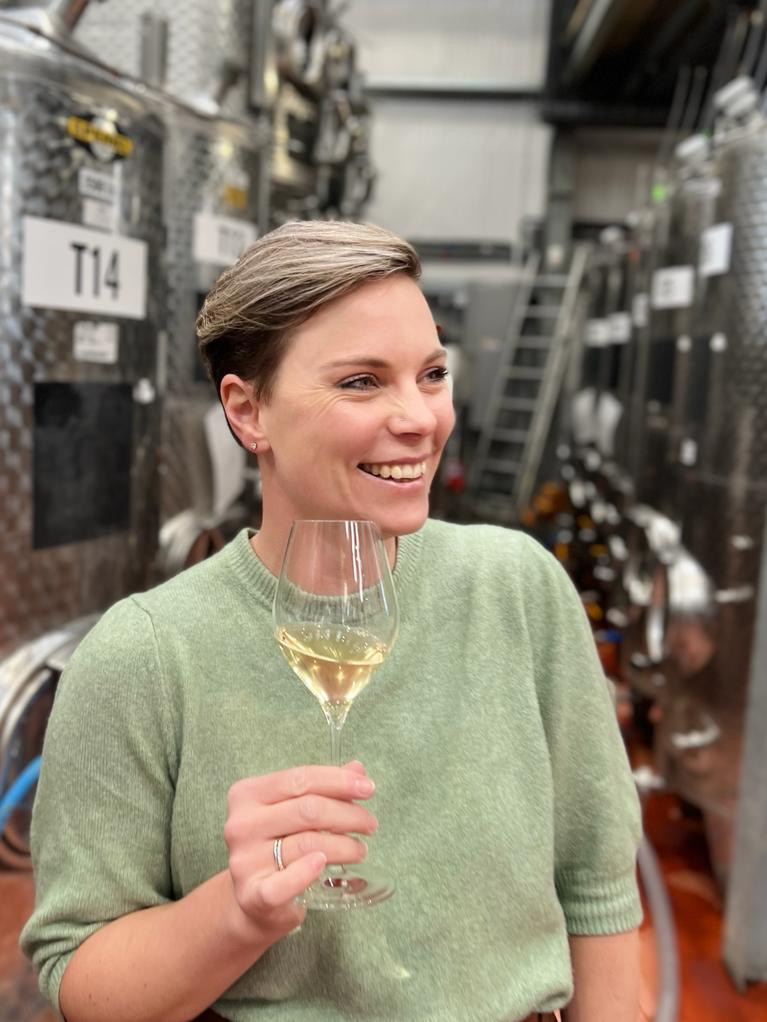
Winemakers closely monitor progress by tasting each wine weekly to track its development and ensure stability.
Throughout winter, wines are:
- Checked and tasted weekly
- Monitored for stability and freshness
- Adjusted gently if needed
Cooler cellar temperatures slow chemical changes, helping preserve freshness, aroma, and clarity. For wine ageing, this is very important. Wine storage at temperatures below 10 °C helps it retain its fresh, fruity character.
Winter is also when the winery team focuses on cleaning and equipment maintenance, giving them space to plan and prepare for the busy harvest season.
“Winter is about keeping the wines happy and safe,” explains Miguel. “We taste every vessel regularly and make small adjustments where needed. Nothing is rushed.”
Malolactic Fermentation: Turning Sharpness into Smoothness
During winter, one important decision for winemakers is whether a wine should go through malolactic fermentation (MLF).
All grapes naturally contain malic acid, the acid that gives green apples their crisp, tart taste. In England’s cool climate, grapes often have higher malic acid, which makes wines naturally bright and zesty.
MLF is the process where certain beneficial bacteria, usually Oenococcus oeni, convert malic acid into lactic acid, the softer, creamier acid found in milk and cheese.
In simpler terms, it’s like turning the sharp bite of a green apple into a smooth, gentle creaminess in the wine. The process:
- Softens the wine’s acidity without affecting alcohol or sweetness
- Adds a smoother, rounder mouthfeel
- Can make aromas feel fuller and more layered
Wines that will go through MLF are gently warmed to about 20 °C and given special bacteria to safely turn sharp acid into softer acid. Wines that should stay fresh and zesty, like Bacchus or English still rosé, are treated with a little sulphur to stop any bacteria from changing them.
“Acidity is one of our biggest tools in England,” explains winemaker Miguel Symington. “Winter is when we decide how much of that natural sharpness we want to soften, so the wine feels balanced without losing freshness.”
By planning MLF in winter, winemakers can guide the wine’s texture and balance, helping each wine develop the style they want before it’s bottled.

Blending Wine During Winter
Winter is also when winemakers start thinking about how different tanks and barrels might work together to make a wine.
Each vessel is tasted separately, and over time, winemakers begin to imagine which wines could complement one another. Some vessels might be perfect for English sparkling wine, while others are better suited to still styles.
Towards the end of winter, bench blending trials begin. Small samples from different tanks and barrels are mixed and tasted to see how they work together before any full-scale blending happens.
Blends can take many forms:
- Simple blends might combine just one or two tanks to create a balanced wine.
- Complex blends can include samples from many barrels or tanks, with some contributing only a tiny amount, sometimes just 1–2%, but still making a noticeable difference to flavour, aroma, or texture.
“Even one or two percent can change a blend,” notes Miguel Symington. “Every component matters, no matter how small.”
What Happens As Winter Comes To An End
Once winemakers have decided on the blends, the next step is to make them in the full winery, rather than just small samples. Before blending starts, everything is cleaned carefully to avoid any leftover flavours or bacteria, and tanks and barrels are cleaned again as soon as they’re emptied.
As winter gives way to spring, the team focuses on preparing the wines for bottling. This includes a few important steps:
- Protein stabilisation – some wines can form a cloudy haze in the bottle if proteins are left in. Stabilising them now ensures the wine stays clear and bright when poured.
- Cold stabilisation – wine is chilled to remove excess tartaric crystals (the small white crystals sometimes called “wine diamonds”) so that bottles don’t develop unwanted crystals later.
- Early bottling preparation – some wines, especially fresh styles like Bacchus or English still rosé, are carefully readied so they can be bottled in early spring.
By late January, these fresh wines may already be stabilised and nearly ready. Cold stabilisation usually happens by mid-February, so the bottles are ready for March.
“Winter isn’t just quiet downtime,” explains Miguel Symington. “It’s when we make sure the wines are clean, balanced, and stable — everything is carefully prepared so the final bottle tastes exactly how we want it.”
How Winter in Warmer Wine Regions Differs from England
Winter looks very different in warmer wine regions such as the Barossa Valley in Australia, Stellenbosch in South Africa, or parts of California. These differences affect both the vines and the wines they produce.
In warmer regions:
- Dormancy is shorter or milder – vines may only slow down rather than fully “sleep,” and some small growth can continue even in winter.
- Temperatures are higher – soil and air stay warmer, which keeps fermentation and other chemical changes in the wine moving faster. In Barossa, Australia, for example, winter temperatures average around 12–16 °C by day and around 3–6 °C at night, with most rainfall occurring in the winter months — conditions that support vine dormancy but are noticeably gentler than in cooler regions.
- Wines develop quickly – flavours, aromas, and textures change faster, so winemakers often need to taste and adjust more quickly.
- Frost is rare – without freezing nights, the vines face less winter stress, but also less natural pest and disease control.
- Soils stay drier – rainfall is often lower in winter, so irrigation may be needed to keep vines healthy.
- Sunlight is stronger – longer, brighter days even in winter mean the vine stores energy differently than in cooler regions.
“In warmer regions, winter is mild and fast-moving,” says Miguel Symington. “The vines never fully rest, and wines move along quickly. You don’t have the luxury of letting flavours and aromas develop slowly like we do in England.”
Why Is Winter Important For Vineyards?
Winter may look quiet in a vineyard, but for the team, it’s actually one of the busiest times for planning and care. Vineyard staff spend their days checking the vines, repairing trellises, maintaining wires and supports, and preparing tools for pruning. They also inspect the soil, making sure it’s healthy and ready to support strong growth in spring.
Meanwhile, in the winery, the winemaking team is tasting wines, monitoring their development, and deciding which tanks and barrels will be blended together.
Equipment is cleaned, barrels are checked, and stabilisation processes are prepared. Every small adjustment made in winter affects how the wines will taste months later.
“Winter isn’t just quiet downtime,” explains winemaker Miguel Symington. “We’re tasting, planning, and preparing both the vineyard and the wines. The work we do now makes sure the next harvest and the next wines are as good as they can be.”
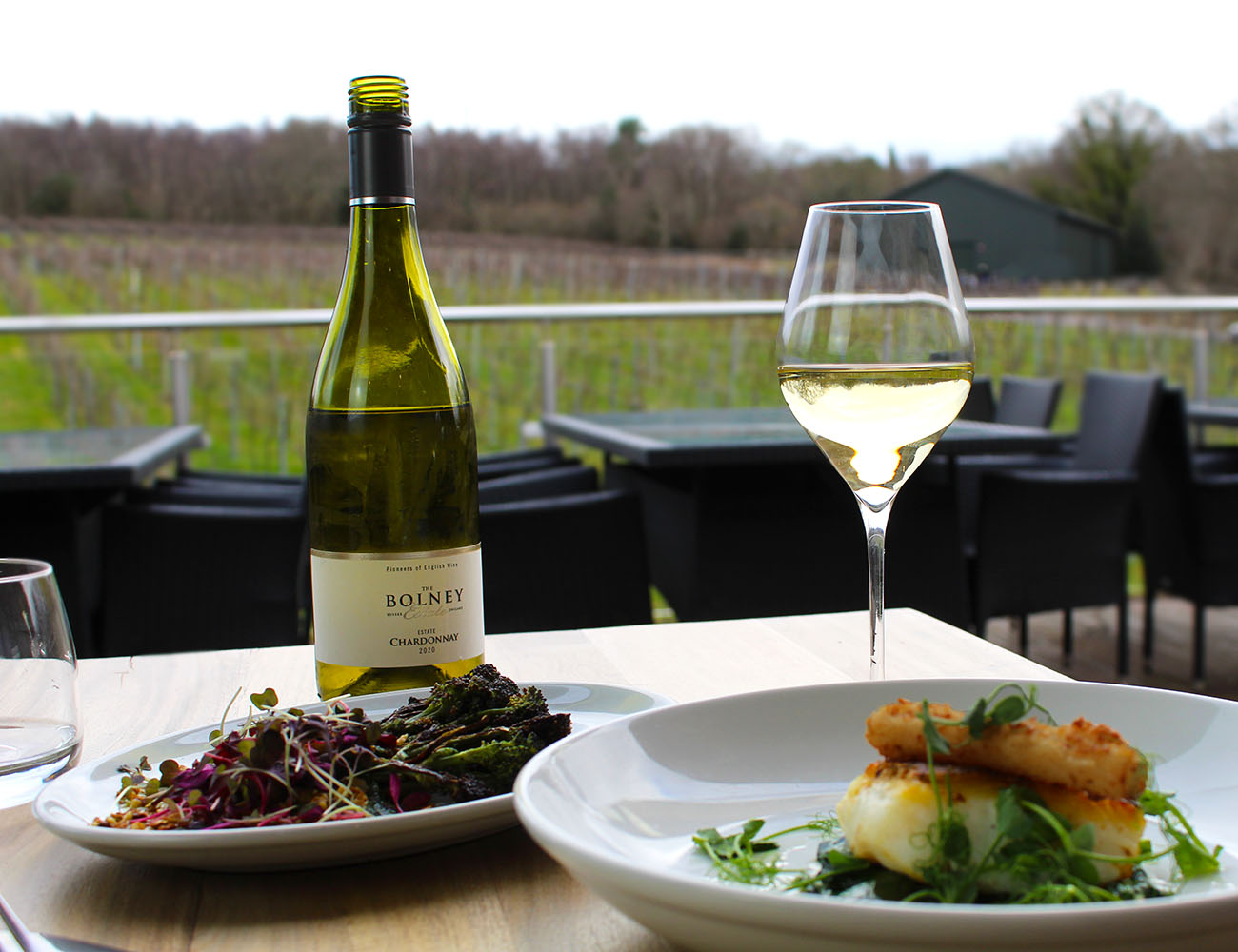
Tour Bolney Vineyard
Book a visit to Bolney Wine Estate this winter to explore the vineyard, see how the vines are cared for, and enjoy tasting our wines straight from the winery.