Account





 Back
Back

How To Host The Best Christmas Dinner Party
Start exploring

Hosting Christmas dinner is the biggest and most magical tradition of the year. Yet it can feel daunting, especially if you are inviting a large number of guests. You want everyone to feel relaxed, well-fed, and looked after, without spending the whole day in the kitchen or worrying that something’s been forgotten. The secret? Good preparation, a cosy atmosphere, and a little planning. Here’s how to host the best Christmas dinner, step by step, with plenty of practical tips you can actually use.
Prepare the Home
Before thinking about the big meal and your wine list, it’s time to get your house ready. You want guests to feel welcome and at home from the moment they step inside.
Festive Decorations
Nothing says Christmas more than decorations, and the more the merrier! A traditional wreath on the front door, garlands on the living room mantlepiece and stairs, ribbon tied around vases and candlesticks, and, of course, a beautifully-lit Christmas tree will set the scene for the day.
Warmth and Comfort
Winter hosting is about making the space inviting. Fold-over throws on chairs and sofas, plenty of cushions, and spare slippers near the door help guests feel cosy. If your home runs cold, turn on extra heaters before guests arrive so the room is welcoming immediately.
Lighting
Switch off harsh overhead lighting and instead use dim lamps, fairy lights, and candles. Pillar and church candles add atmosphere, while taper candles bring height to the dining table. Warm, soft lighting is a great way to capture a cosy vibe on a chilly, wintry evening.
Home Fragrance
With all the wonderful aromas from Christmas dinner filling the house, keep home fragrances subtle. Choose one or two winter scents for diffusers or candles, such as orange peel, bay leaf, clove, pine, or cinnamon, to keep the air seasonal without overpowering the senses.
Music
Music shapes the mood of the dinner more than most realise. Start with soft, familiar Christmas tracks or instrumental covers during arrivals and dinner, then bring in livelier songs later in the evening. A good playlist keeps energy up without demanding very much attention.
Decorating the Table
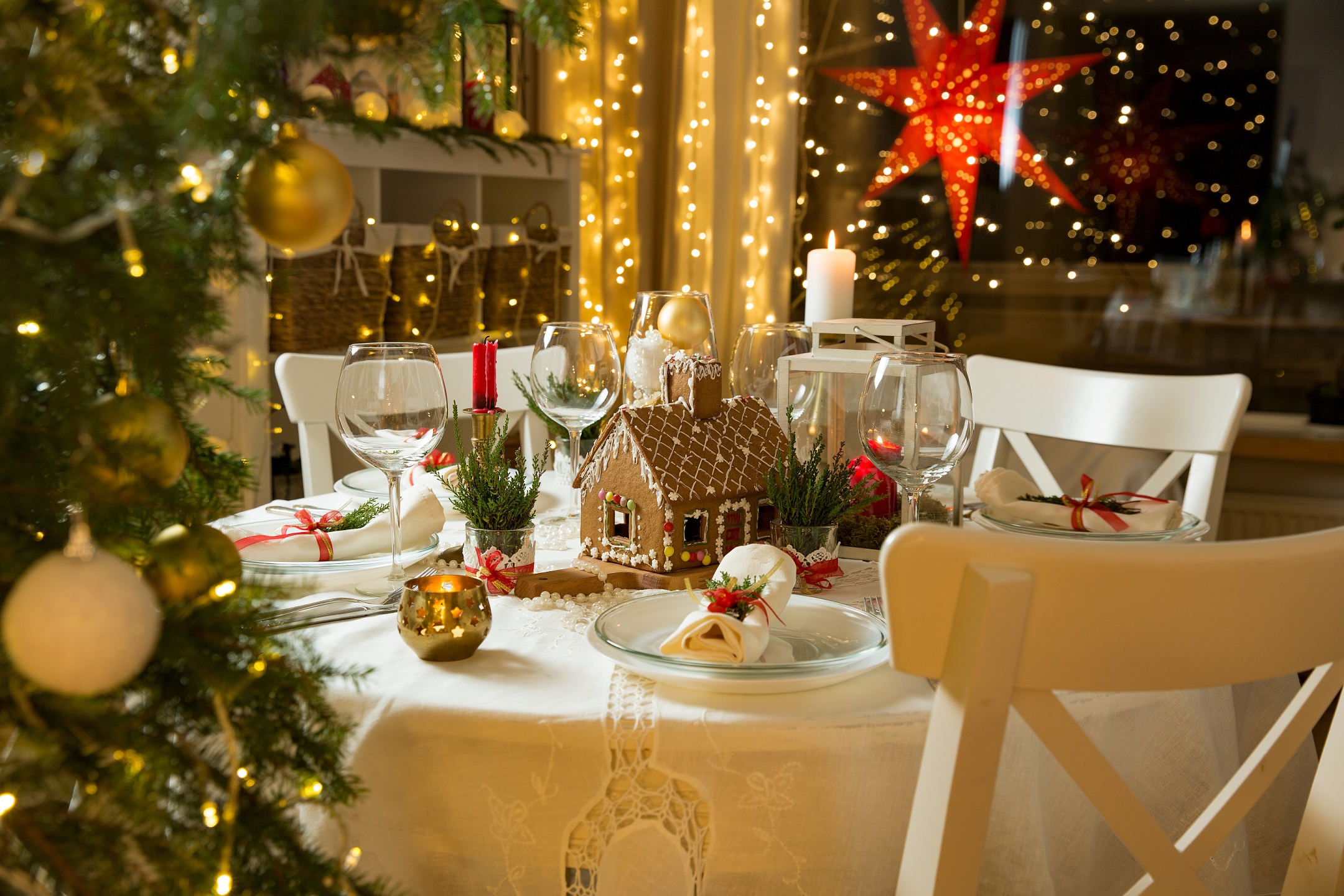
The dinner table is the pièce de résistance in your home. It’s where your guests will spend most of their time, enjoying the meal. Dress it with a thoughtful selection of linen and seasonal décor.
Base Layer
A tablecloth or runner sets the tone and keeps the table safe from spills and hot crockery. A neutral colour, such as white or cream, allows food, wine, ornaments, and glassware to take centre stage. Or be bold and choose a festive shade, such as holly berry red or pine tree green.
Centrepieces
Think low, layered and spread out – you want to make it comfortable for guests to interact and talk without bobbing their heads around tall decorations. Candles mixed with fresh greenery, clove-studded oranges, cinnamon sticks tied with string, winter flowers, pine cones, or bowls of festive fruit (pomegranates and figs) bring colour and texture without blocking conversation.
Practical Space
Leave plenty of room for serving dishes and wine glasses. Roast vegetables, side dishes, sauces, and gravy look better when there is space around them, and a functional table ensures smoother service throughout the meal.
Table Favours and Crackers
This is an easy way to add personality and fun. Sustainable, recyclable, or plastic-free crackers are widely available. Coordinating the colours of your crackers with your table décor ties everything together beautifully.
For party favours, place wrapped chocolates, handmade ginger biscuits, small candles, or mini jars of honey on each guest’s plate, or add a single decorative bauble or sprig of rosemary. For seating plans, create handwritten name cards tied to napkins with ribbon or twine.
Tableware
Lay out everything a few days in advance and walk through the meal in your head: plates for each course, side plates, soup bowls if needed, dessert dishes, cutlery, and serving spoons. Mix sets confidently if you’re short, as a relaxed combination often looks a little more charming than a perfectly matched one. Warm plates before serving the main course to keep food hot longer.
Setting Up a Home Wine Bar
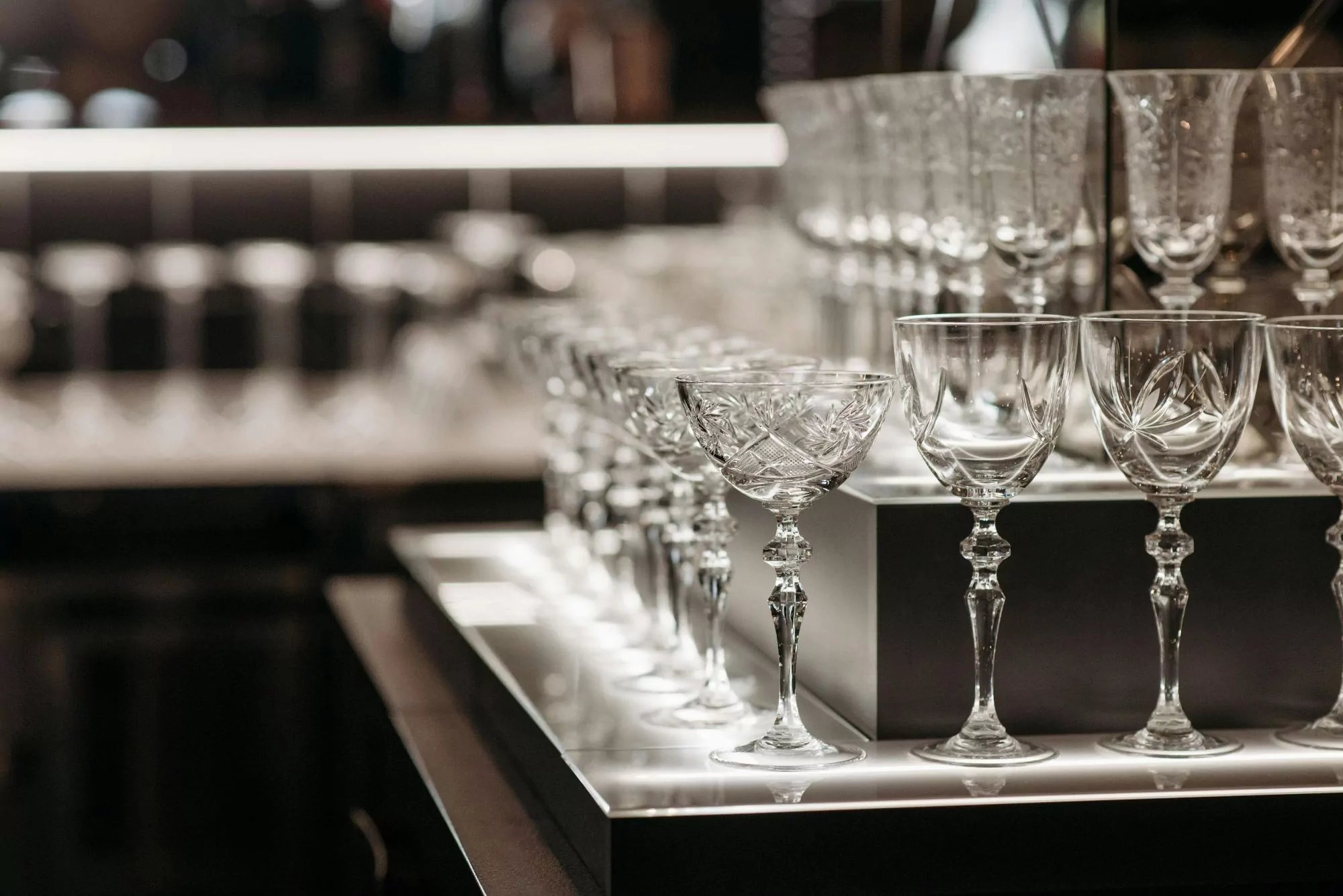
Creating a small home wine bar for Christmas makes life easier and encourages guests to help themselves at their own pace. Instead of everyone crowding around the kitchen or relying on the host to top up glasses, a dedicated space with your wines and glassware allows a more relaxed, social atmosphere. Arrange a sideboard, console, or even a cleared section of the kitchen counter with chilled whites, reds, sparkling wines, and any fortified or spiced options, along with glasses and ice buckets where needed.
Glassware matters as much as the wine itself. Have a selection ready for each style: tulip-shaped glasses for whites to concentrate the delicate aromas, wider-bowled glasses for reds to allow the flavours to open, tulip or white wine glasses for sparkling wine to keep the bubbles lively, and smaller glasses for dessert wines, sloe gin, or vermouth. Keeping the right glass for each wine makes self-service feel orderly and well thought out.
Wine and Food Pairing
Keep guests happy with thoughtful drinks. Be sure to offer your guests a drink upon arrival, and serve the first nibbles and canapés promptly once everyone is in attendance. Wine with your meal is an excellent choice, and it’s worth taking a moment to choose the wine to pair with each course.
Arrival Drinks and Canapés
English sparkling wine is perfect here — bright, lively, and ideal with blinis, smoked fish, cheese puffs, or pastry bites. Alongside wine, offer well-chosen soft drinks that feel just as festive. Ginger beer, spiced apple juice, elderflower presse, cloudy apple with soda, or tonic with a slice of orange and rosemary give non-drinkers something grown-up to enjoy.
Starters
For Christmas starters, English white wines shine when they are dry, fresh and aromatically precise. High natural acidity is key, as it lifts delicate flavours and refreshes the palate without adding weight. Look for wines with citrus notes such as lemon zest and grapefruit, alongside green apple, ripe pear, or subtle floral aromas, which pair well with lighter, savoury dishes.
Pinot Blanc and Pinot Gris are particularly well-suited to the opening course. Their dry profiles and crisp finishes complement vegetable-led starters, seafood and softly creamy soups. At the same time, flavours of pear, citrus peel and gentle herbaceous notes keep the pairing clean and balanced. These wines enhance freshness and texture rather than dominating the dish.
Sauvignon Blanc offers a more vibrant, aromatic profile, with gooseberry, elderflower, and freshly cut grass notes that pair well with herb-driven starters, smoked fish, or dishes with citrus dressings. The wine’s bright acidity cuts through richness and sharpens flavours, making it ideal for starters that need lift and definition.
For slightly richer starters, such as scallops with browned butter or chicken liver pâté, a still English Chardonnay offers more body while remaining food-friendly. Expect orchard fruit, subtle blossom and a restrained touch of oak, delivering softness and structure without heaviness. Its balanced acidity ensures the wine remains refreshing, setting the tone for the courses that follow rather than overwhelming them.
Main Course
A Christmas main is generous by design. Roast turkey, crisp skin, sage-and-onion stuffing, pigs in blankets, roasted roots, and gravy all land on the plate at once, bringing salt, fat, herbs, and gentle sweetness. The wine needs enough structure to handle that mix, but not so much weight that it overwhelms the food.
Red wines for the classic route
For those reaching straight for red, look for medium-bodied styles with fresh acidity and fine tannins rather than heavy oak or high alcohol. Turkey is relatively lean, so overly powerful reds can feel clumsy alongside it.
An English Pinot Noir fits naturally here. Notes of dark cherry, plum and ripe fig echo the sweetness of roasted meat and caramelised vegetables, while subtle spice and white pepper sit comfortably with stuffing and gravy. The silky texture matters too – soft tannins won’t dry the palate when plates are already rich with butter and fat.
A lighter-bodied Lychgate Red also works well, especially for guests who prefer something easy-drinking. Red and black fruit flavours, a touch of smoke and black pepper spice pick up on bacon-wrapped sides and roast potatoes. Decanting an hour ahead smooths the edges and brings out warmth without heaviness.
White wines that earn their place at the table
White wine often gets overlooked at Christmas, but fuller, still English whites handle the main course confidently, particularly for guests who find reds tiring over a long lunch. A still Chardonnay with a little oak brings orchard fruit, gentle toast and enough weight to stand up to turkey, bread sauce and creamy sides. Its natural acidity keeps the plate feeling fresh, cutting through gravy and butter rather than sinking into them. A richer Pinot Gris also works well, especially with herb-roasted turkey or lighter gravy. Pear, citrus peel and subtle savoury notes mirror festive herbs and roasted vegetables, while the dry finish keeps everything in balance.
Offering red and white wine
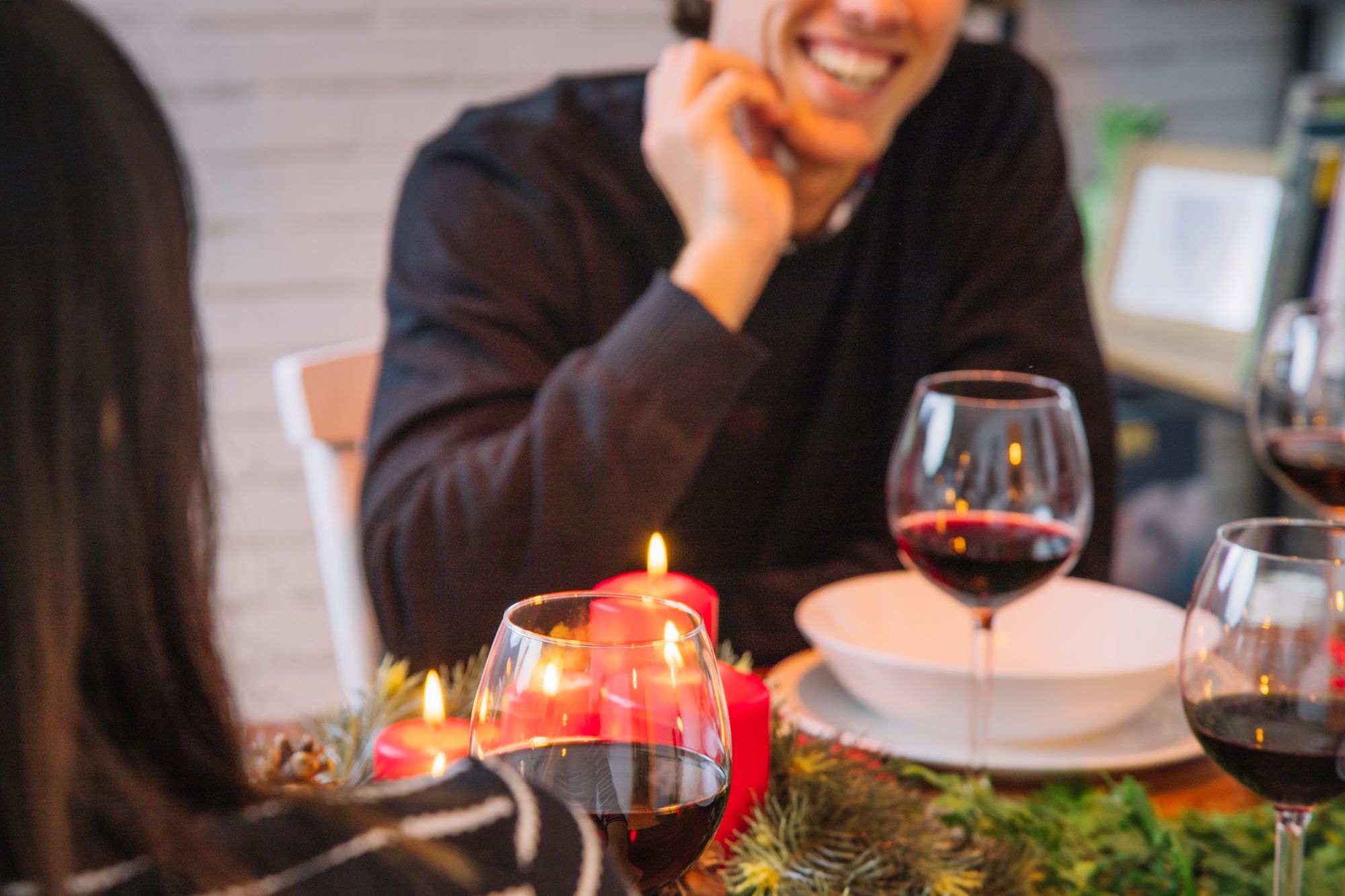
Christmas lunch is a long stretch, rather than a single pairing moment. Offering one red and one white on the table avoids constant topping up, lets guests pace themselves and keeps the mood relaxed. It also acknowledges that not everyone wants slightly bitter tannins with every bite of their meal. The best main-course wines at Christmas support your menu, refresh the palate, and keep the conversation flowing while plates are cleared and seconds quietly offered.
Dessert
After the main course, offer smaller, sweeter, or spiced drinks rather than another full glass of red. A lightly sweet, sparkling red such as Cuvée Noir works beautifully with Christmas puddings, yule logs, chocolate roulade, mince pies, or truffles.
English Sloe Gin pairs well with spice and dried-fruit desserts like Christmas pudding, fruitcake, gingerbread, or baked apples. Serve neat, over ice, or alongside coffee and chocolates.
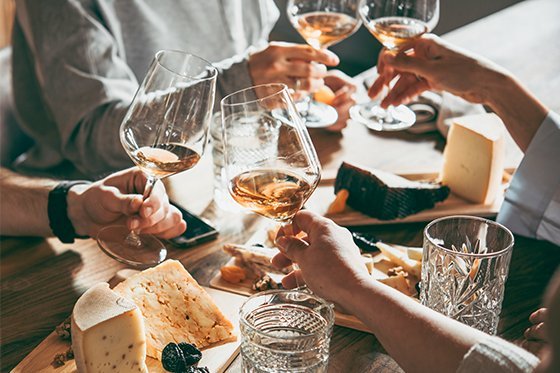
Rosso Vermouth comes into its own with a cheeseboard. Its gentle sweetness, herbal bitterness, and dark fruit notes complement Cheddar, Comté, Gruyère, hard goat cheeses, and even blue cheese with walnuts, quince paste, or dried figs. Serve over ice with a slice of orange for slow sipping.
Keeping Drinks at the Right Temperature
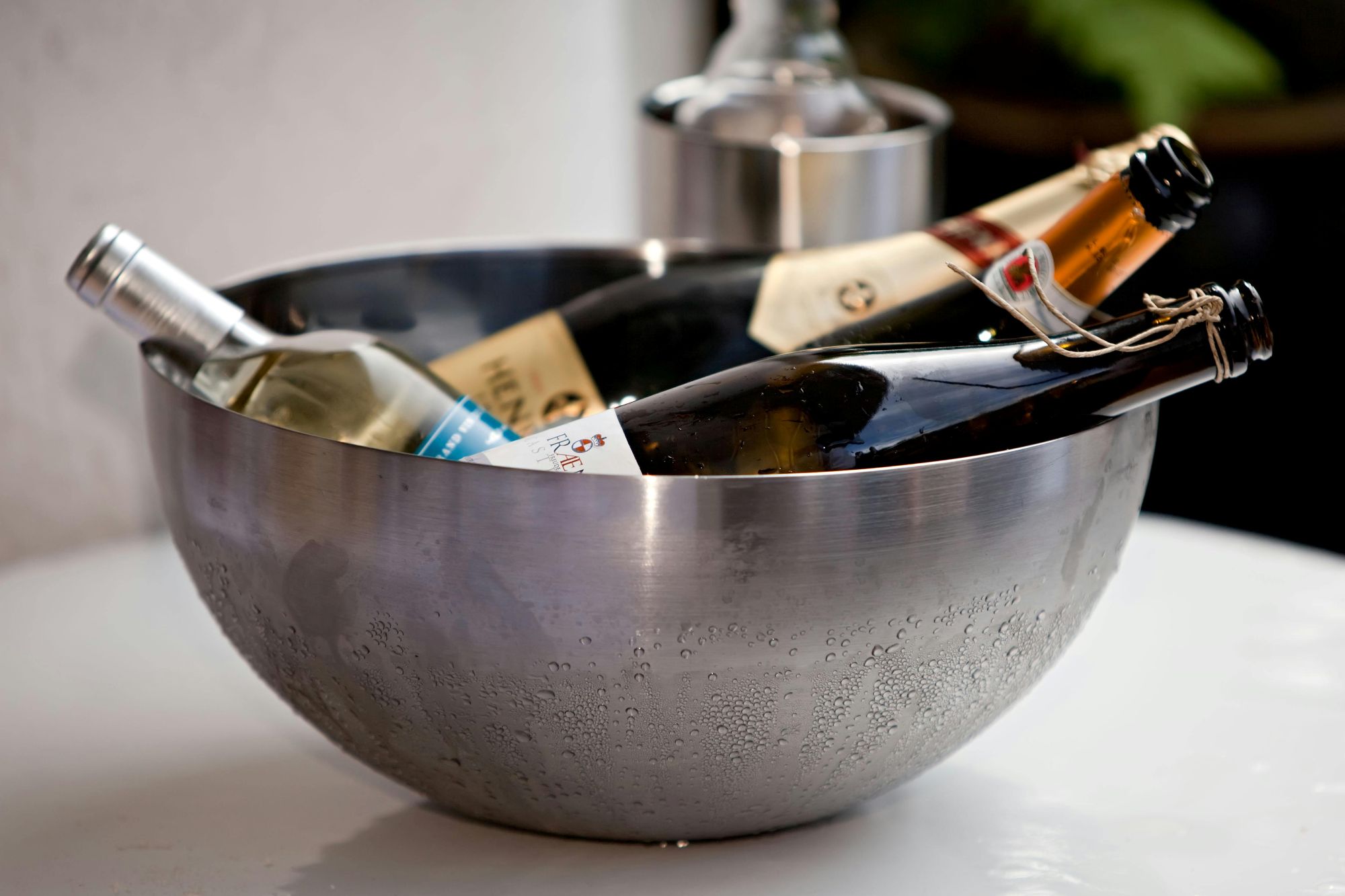
Think ahead about guest numbers and where drinks will be served. For smaller groups, one ice bucket and a fridge may be sufficient, whereas for larger groups, set up multiple cooling stations.
Place ice buckets where drinks will be enjoyed and rotate sparkling bottles as needed. Chill wines in advance rather than at the last minute. Reds such as Pinot Noir or Lychgate Red are best at 15–17°C. Sparkling wines should be served at 6–8°C, while Sloe Gin and Rosso Vermouth should be slightly chilled in the fridge at 10–12°C to bring out rich fruit and spice notes.
Keeping Track of Glasses
Glasses can get muddled on a busy table. Use wine glass tags, charms, or ribbons tied to the stems so guests can identify their own glasses. Festive colours, velvet ribbon, or Christmas charms are small festive details your guests will notice.
Alternatively, provide a small card and pen for guests to mark their glass, or use coloured stems or markers if available. Fewer mix-ups mean fewer refills and less washing up.
Dinner Planning and Preparation
Timing is key. Prepare as much as possible the day before: peel and prep vegetables, parboil potatoes, prepare carrots and parsnips, mix stuffing, make Yorkshire pudding batter, sauces, and desserts.
On the day, focus on heating, plating, and serving steadily. Use foil, low ovens, and warmed dishes to keep food hot. A calm service beats rushing around and keeps stress levels low.
After Dinner: Coffee, Chocolates, and One Last Glass
Once the table is cleared, shift the mood. Serve tea or coffee with milk, cream or Irish cream liqueur, along with chocolates, truffles, mince pies, or small sweets. Offer one final drink — dessert wine, sparkling wine, sloe gin, or a fortified wine — and let guests help themselves. This quieter part of the day is often the longest, and when people settle in.
Entertainment
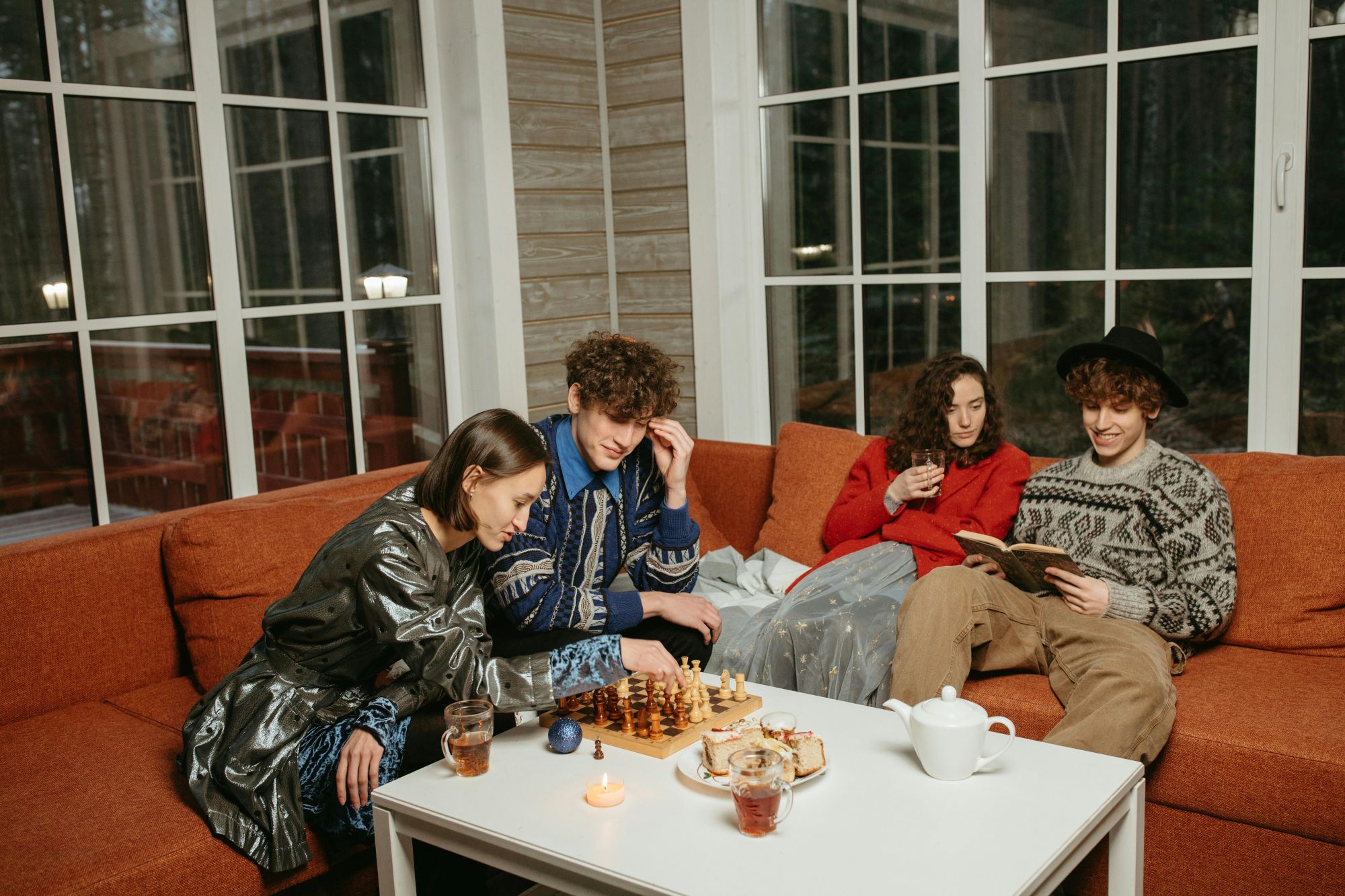
The best Christmas entertainment matches the mood rather than forcing it. After a long meal, start gently and let things build. Having a few options ready allows you to naturally pick up the pace as the evening unfolds.
Straight after dinner, low-key games work best. A Christmas quiz is always a safe start — printed sheets, phone-based versions, or a quick-fire host-led round all work. Music rounds, festive trivia, and “guess the year” questions keep things light. Card games and familiar board games suit mixed ages, while “Guess the Carol” or “Name That Tune” can run alongside the playlist.
As guests stretch their legs and refresh their drinks, social games help energise the atmosphere. Charades or Christmas-themed Heads Up-style games get everyone involved without needing much space. Pictionary works around the table and adds friendly competition. A grown-up pass-the-parcel works too if you swap gifts for chocolates, dares, or silly challenges.
Later, when confidence is higher and music livelier, higher-energy options shine. Karaoke works best starting with group songs. Team games like wrapping-paper fashion shows, balloon volleyball, or festive relays create laughter and photo opportunities. If you have room, clear space for dancing — no rules, no pressure, just good music and momentum.
A Final Note
As the evening winds down, good hosting shows in the small touches. A warm house, relaxed meals, drinks topped up, and wine suited to the moment all help Christmas end on a celebratory note.
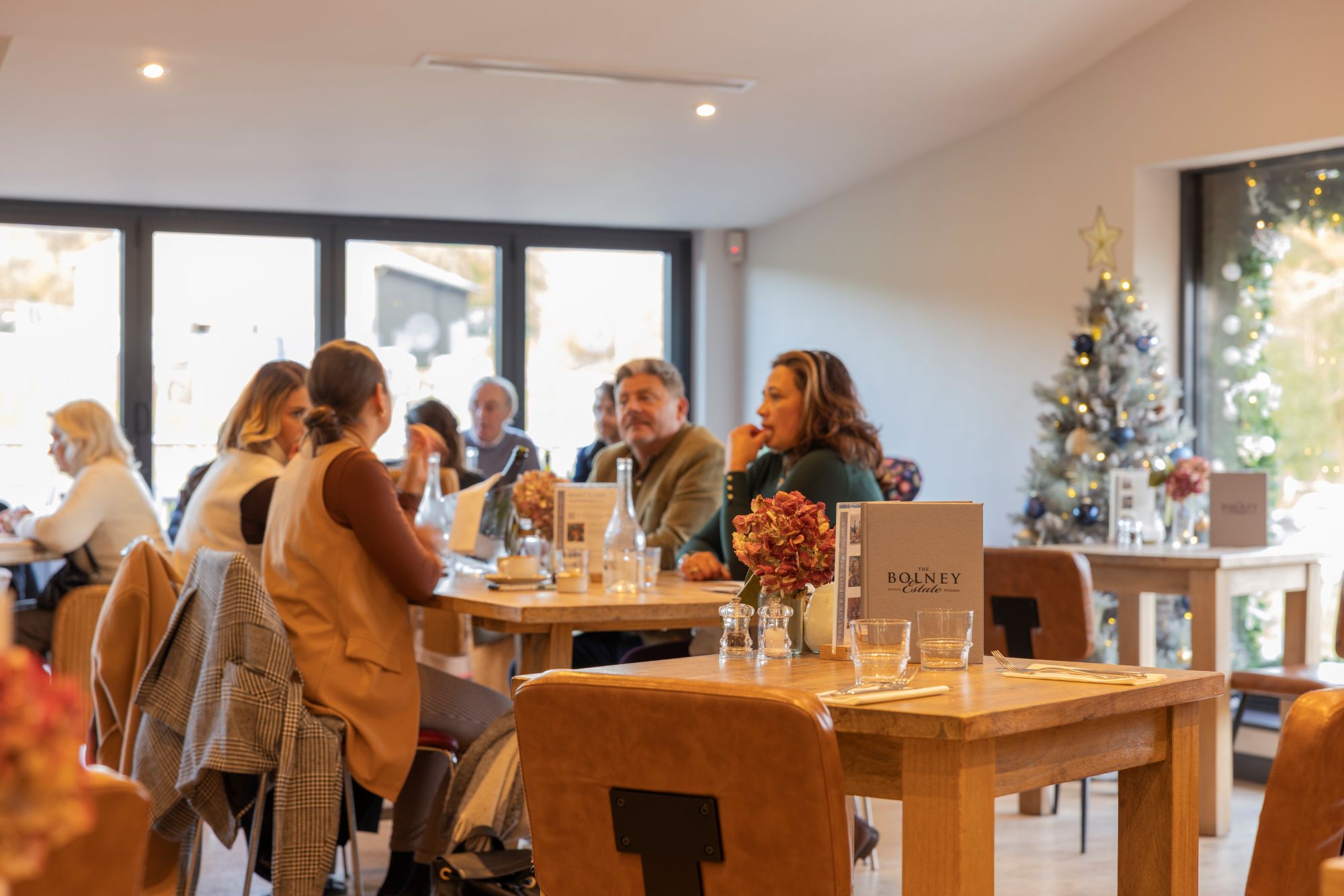
If you’re near West Sussex, a visit to Bolney Wine Estate during the festive period or after Christmas is a lovely way to explore our wines in person and pick up something special for the Yuletide and New Year celebrations. Book a tour or one of our festive events!