Account






When To Visit An English Vineyard (A Seasonal Guide)
Start exploring

West Sussex is a South East English county where rolling chalk hills, sun-drenched valleys, and medieval market towns sit alongside world-class vineyards — a combination of natural beauty, heritage, and emerging winemaking expertise that has helped establish the region as one of the UK’s most exciting wine destinations.
Set within the South Downs National Park, an Area of Outstanding Natural Beauty known for its open skies, heathland, old forests, and gentle slopes, vineyards here thrive in conditions that rival those of some of the world’s most respected cool-climate regions. In fact, West Sussex, the sunniest county in the UK, shares striking similarities with Champagne, Tasmania, and Marlborough in terms of its wine-growing conditions.
But unlike wine regions with long, predictable summers, such as Australia, California, or southern France, English vineyards change dramatically throughout the year. Knowing when to visit makes a real difference to what you’ll see, learn and taste.
This guide explains what each season offers at an English vineyard and at Bolney Wine Estate. We’ll help you plan a visit that suits your interests, the time of year, and the experience you’re looking for.
The Changing Seasons at an English Vineyard
England is a cool-climate wine region, meaning grapes mature more slowly than in warmer countries. This slower pace helps preserve natural acidity and freshness, which is why English sparkling wines are particularly well-regarded.
Bolney Estate, in West Sussex, grows a mix of classic and lesser-known grape varieties, including:
- Chardonnay – key for premium sparkling wine and still whites
- Pinot Noir – used for sparkling wine and still red wines
- Pinot Gris – producing aromatic, food-friendly still whites
- Bacchus – known for fresh, floral English white wines
- Rondo and Dornfelder – red grape varieties that ripen more reliably in cooler climates
Because each grape behaves slightly differently, the vineyard looks and feels different as the year unfolds — and that’s what makes seasonal visits so interesting.
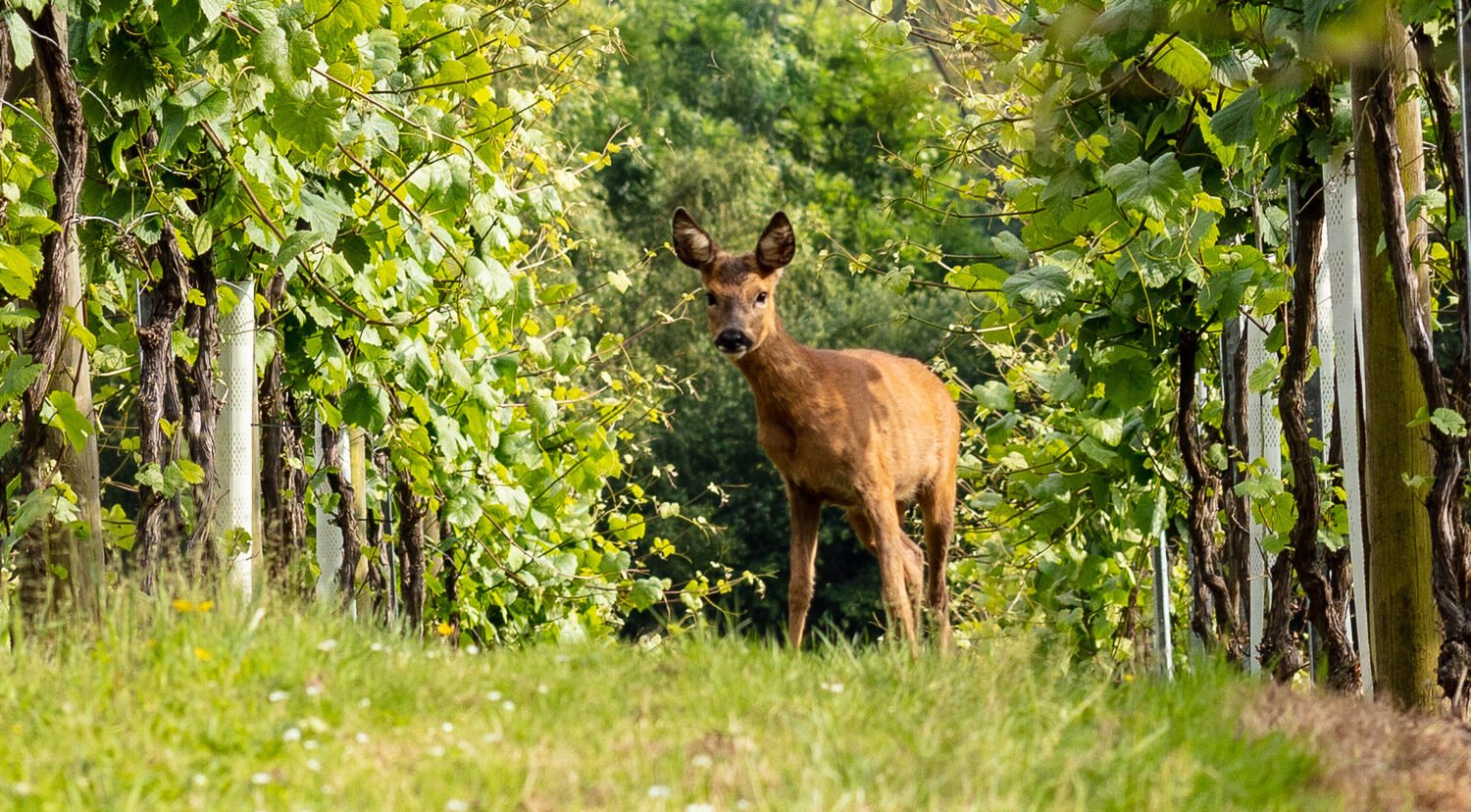
North vs South English Vineyards
England’s vineyards are shaped by latitude and climate, which affect the vine cycle and the best time to visit. In the south, warmer temperatures and longer daylight mean budburst starts earlier, flowering arrives in June, and harvest usually falls between late September and October. Visitors at a Southern vineyard can enjoy springtime growth, summer vineyard walks, or lively harvest events weeks before many northern vineyards are ready to pick.
Vineyards in South England:
- Budburst typically begins in late April or early May
- Flowering takes place in June
- Veraison (when grapes begin to ripen and change colour) occurs in late summer
- Harvest usually falls between late September and October, depending on the year
By contrast, vineyards further north in England often face:
- Lower average temperatures
- Higher frost risk in spring
- Reduced ripening potential for varieties like Pinot Noir
Vineyards further north in England, such as in Wales, Yorkshire or the Midlands, experience a slightly later vine cycle. Budburst and flowering happen later, and harvest may extend into October. The cooler temperatures give wines a distinct character, often with higher natural acidity and delicate aromatics, making northern vineyards ideal for crisp whites and sparkling wines with elegant freshness.
This seasonal difference is why West Sussex — and the South Downs in particular — has become a hub for early-season vineyard visits. In contrast, northern vineyards offer a quieter, reflective experience later in the year, with their own unique style of English wine.
Now, let’s take a look at what you can expect to see on your visit to an English vineyard throughout each season.
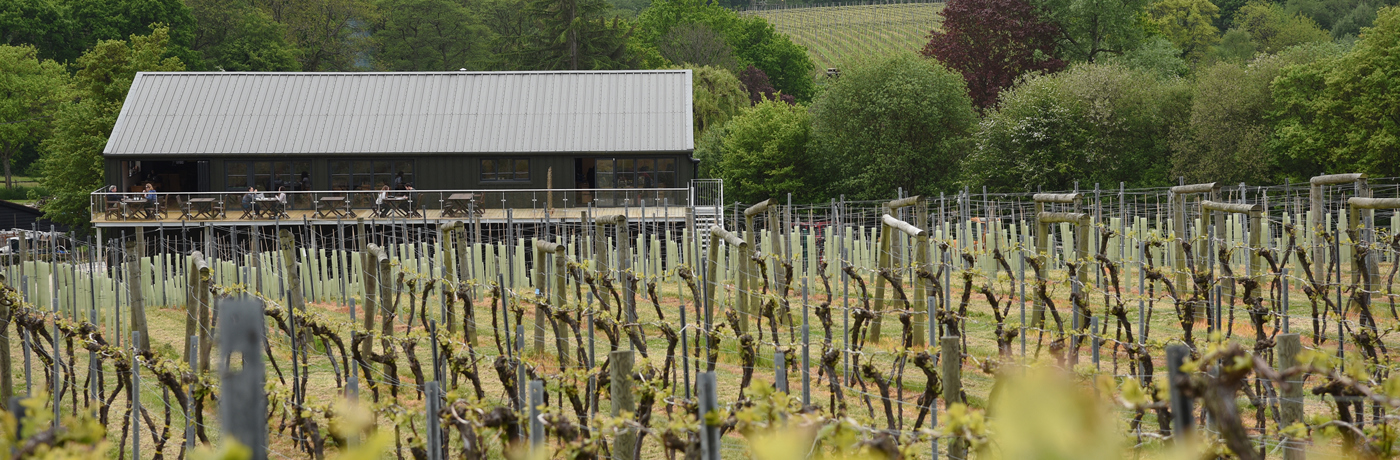
Spring (March to May)
Spring brings the vineyard back to life after winter. Dormant vines awaken, tender shoots emerge, and the estate bursts into fresh green growth. Visitors can see new leaves unfurling, buds swelling, and the vineyard team carefully pruning and tying shoots. You might notice frost-protection fans or sprinklers being used to guard against late frosts. It is the exciting start of a new wine year.
What’s happening in the vineyard?
- Vines wake from winter dormancy
- Budburst occurs when tiny buds open and new shoots appear
- Early leaf growth begins
In cool climates, this is a delicate stage. Late frosts can damage young shoots, so vineyard teams carefully monitor weather conditions. Tour guides often explain how airflow, slope and pruning choices help protect vines.
Why visit in spring?
- A calmer, less crowded atmosphere
- Learning the basics of vine growth and cool climate challenges
- Seasonal food and celebratory events
At Bolney, spring also features Sparkling Afternoon Teas, Mother’s Day celebrations, Easter activities, a Chef’s Dining Experience, and Spring Wine & Music Evenings, making it ideal for relaxed yet special occasions.
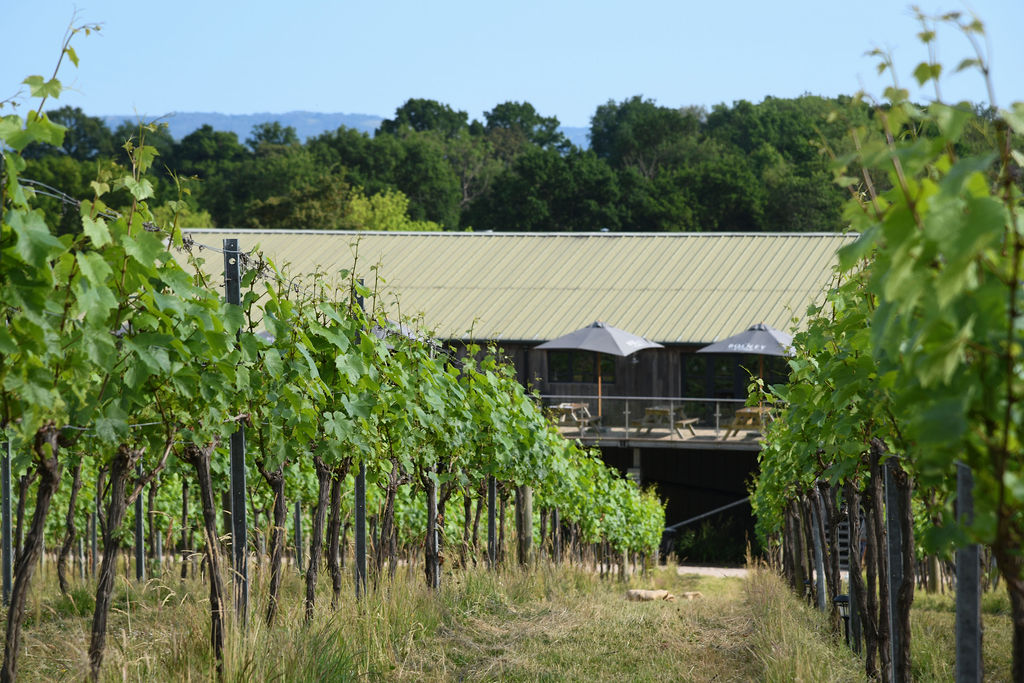
Summer (June to August)
Summer is when the vineyard is at its most visually impressive. The vines stretch tall under long sunlit days, and grape clusters swell with juice. The vineyard hums with energy.
Visitors can watch vineyard staff managing the canopy, thinning leaves to maximise sunlight and airflow. You may spot irrigation lines, trellising systems, or bees pollinating wildflowers between the rows. This is the season when English grapes soak up every ray to develop flavour and structure.
What’s happening in the vineyard?
- Flowering takes place in early summer
- Grapes begin to form and grow
- Vineyard teams manage the canopy to control sunlight and airflow
In cool climate viticulture, summer sunlight is crucial. Long daylight hours help grapes ripen slowly and evenly, developing flavour without losing acidity.
Why visit in summer?
- Lush vineyard walks
- Outdoor tastings and dining
- Live music and evening events
Bolney’s summer calendar often includes Summer Sunsets, Opera in the Vines, family picnic days, Dine in the Vines during English Wine Week, and Father’s Day Afternoon Tea — all designed around warm evenings and vineyard views.
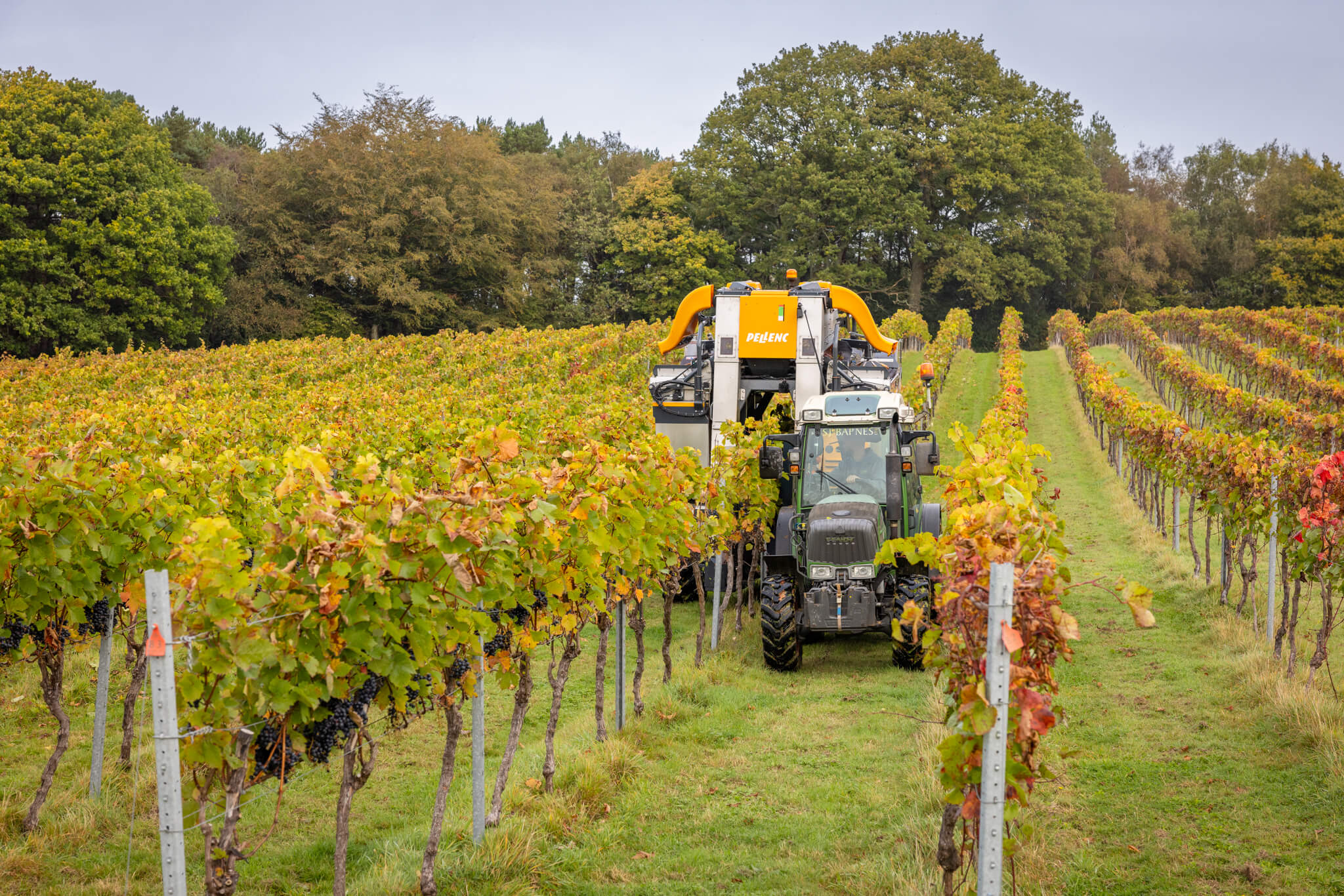
Autumn (September to November)
Autumn is the most exciting and action-packed time to visit an English vineyard. Autumn paints the vineyard in golden hues, the grapes reach full ripeness, and the leaves turn amber.
Visitors can see the harvest in action as teams hand-pick Chardonnay, Pinot Noir, Bacchus, and Pinot Gris. It is the thrilling culmination of a year’s careful cultivation! You will see harvesting tractors in the vineyards and crates full of ripe grapes ready for the winery.
What’s happening in the vineyard?
- Harvest usually takes place between September and October
- Grapes are picked at peak ripeness
- Fermentation begins in the winery
In cool climates, harvest timing is critical. Picking too early can result in overly sharp wines, but picking too late, and grapes may not retain enough acidity. This decision-making is a key talking point on autumn tours.
Why visit in autumn?
- A deeper understanding of winemaking
- Immersive, vineyard-led tastings
- Seasonal food and harvest celebrations
Bolney’s autumn programme includes Harvest Dining Experiences, Harvest Tastings Through the Vines, and live music evenings with wine and cheese, offering insight into the estate at one of its most important moments.
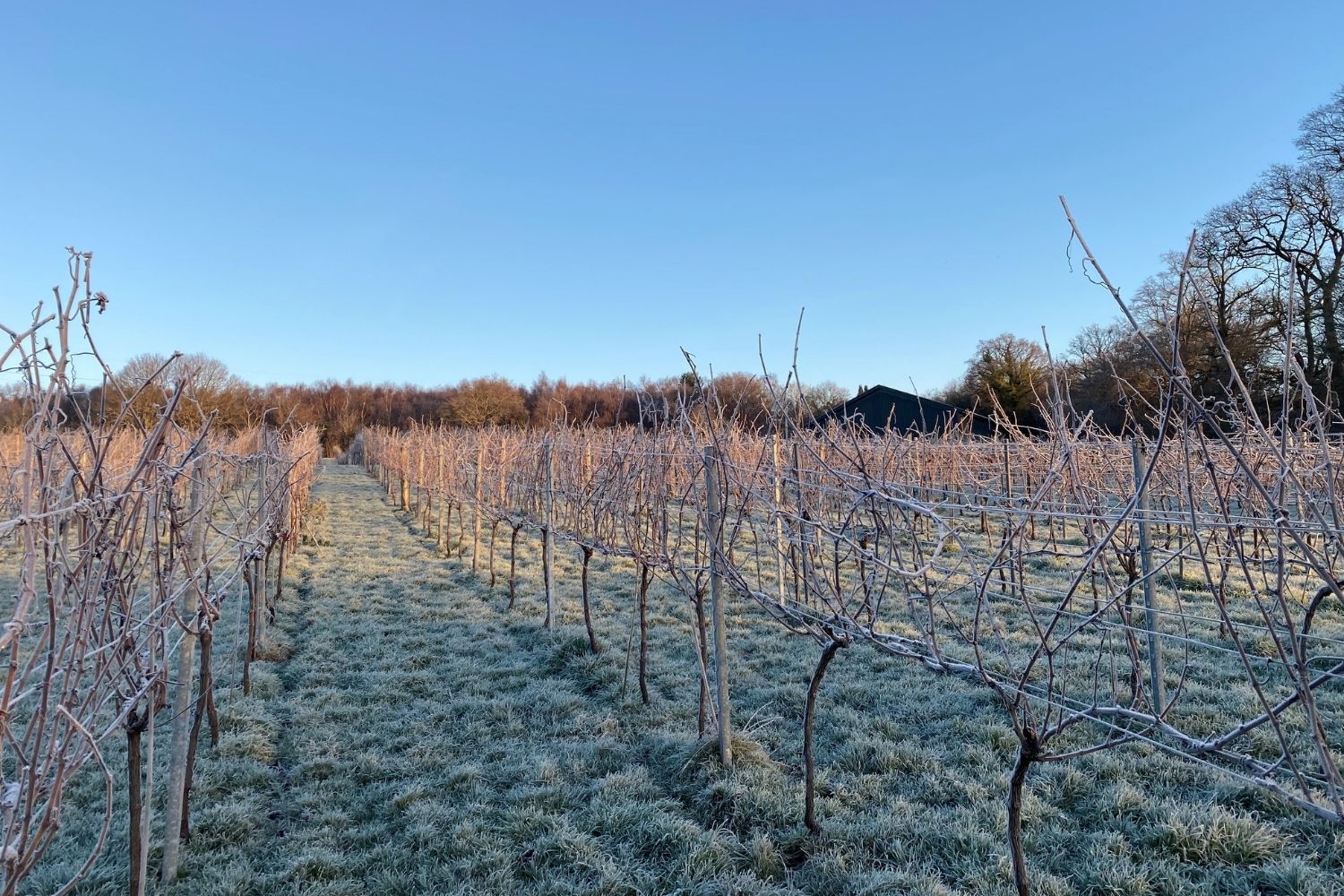
Winter (December to February)
Vines rest under frost-kissed skies, and pruning begins across the rows. Visitors can see bare, sculpted vines and vineyard machinery parked ready for the new season. The estate is quieter, but it is a great time to explore the winery and tasting rooms. Winter is a quiet season of preparation that sets the stage for the next year’s growth and wines.
What’s happening in the vineyard?
- Vines are dormant
- Pruning takes place, shaping next year’s growth
- Winemakers focus on blending and ageing
Pruning is particularly important in cool climates, as it helps control yields and improve grape quality in the following season.
Why visit in winter?
- Smaller groups and a slower pace
- Indoor tastings and winery tours
- Festive events and cosy experiences
At Bolney, winter highlights include wreath-making workshops, a Christmas fair, festive wine tastings, and Valentine’s Afternoon Tea with a glass of sparkling wine.
A Year-Round Tour for Any Season
Whatever the season, you can explore Bolney Estate with our guided wine tours and tasting sessions. From the first spring buds to the golden autumn harvest, our year-round experiences let you see the vineyard come to life and enjoy a guided tasting of our award-winning wines.
One of our bestselling tours is the Bolney Wine Pairing Tour and Tasting. The beginner-friendly experience includes:
- A 90-minute guided tour with a wine expert
- An introduction to English wine and the estate
- A vineyard walk (weather permitting)
- A visit to the on-site winery
- A tutored tasting of five still and sparkling wines, paired with local cheeses
Because the tour combines vineyard and winery elements, it adapts naturally to the season, with more emphasis on vines in summer and on winemaking and tasting in winter. Each visit offers an educational, relaxed, and delicious insight into English viticulture.