Account






Seasonal Wine Pairings For British Spring Recipes
Start exploring

The smell of roasting lamb, the sweetness of fresh peas, and the tang of rhubarb straight from a crumble – spring in Britain is a season of flavours that reveal their best when accompanied by wine. Matching the right wine to these dishes can elevate every bite, highlight freshness, and balance richness, whether you’re enjoying a lemon-drizzled steamed salmon, tender vegetable pasta, or Easter-glazed ham.
Spring food and wine pairing is simple once you know a few basics. It’s about noticing how flavours interact and choosing wines that bring out the best in your seasonal ingredients.
Use this guide to try new combinations and uncover how wine can bring out the best in seasonal dishes.
What is Food and Wine Pairing?
Food and wine pairing is the practice of choosing wines that complement and enhance the flavours of a dish. The goal is to create harmony between what you eat and drink: a well-paired wine can highlight the freshness of vegetables, balance the richness of meats and sauces, and bring out subtle flavours in desserts.
Beginners can start by considering the weight and intensity of a dish, the dominant flavours, and the acidity or sweetness of the wine. Even simple pairings, like a light white with spring vegetables or a sparkling wine with a fruity dessert, can transform a meal and make the flavours feel more vivid.
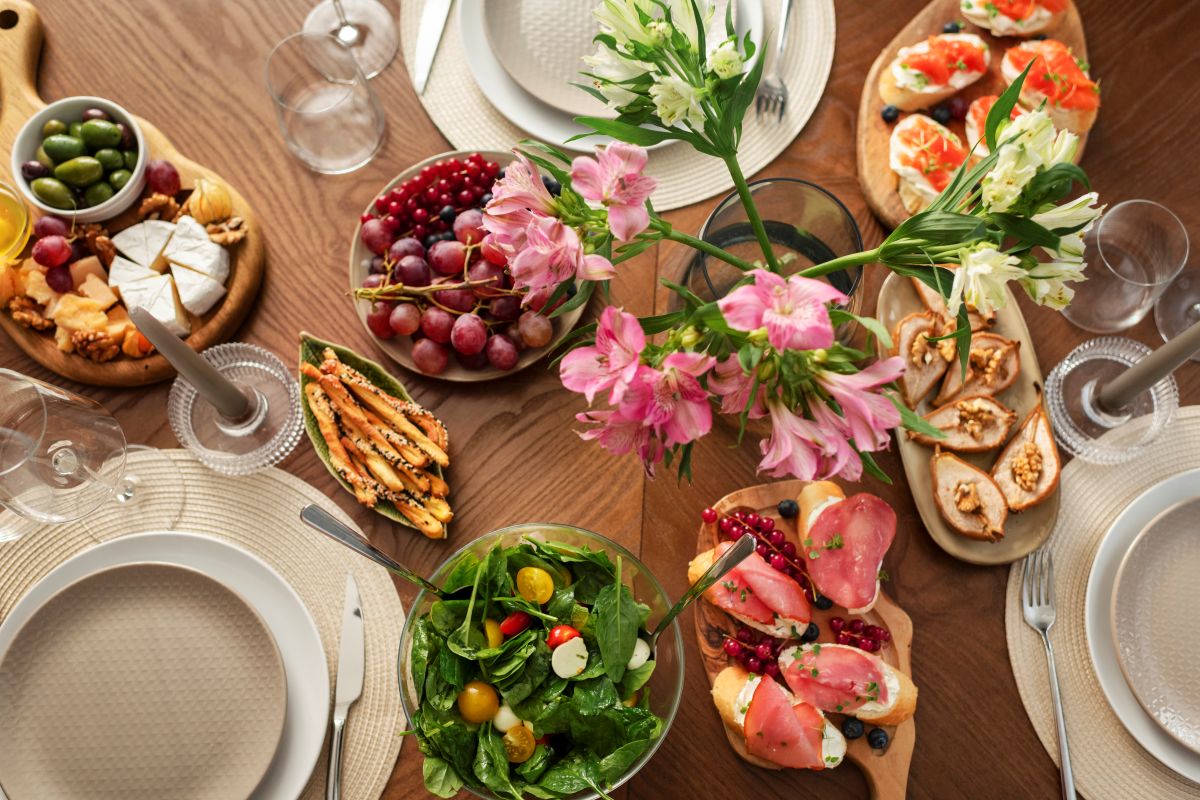
Light Whites for Spring Mains
Light, aromatic white wines are a natural match for spring cooking because they complement delicate flavours rather than overpower them. Many of these wines show citrus, orchard fruit, or floral notes that pair well with seasonal ingredients such as asparagus, peas, fresh herbs, and lighter poultry or fish dishes.
What to look for when pairing light white wines:
- Acidity – Light white wines often have bright acidity that lifts fresh ingredients and balances creamy sauces. This makes them particularly good with dishes such as chicken with lemon and herbs, seafood pasta, or vegetable risottos.
- Fruit flavours – Notes of pear, apple, citrus, or tropical fruit complement spring vegetables and lighter proteins. These flavours pair nicely with dishes that include lemon, herbs, or lightly roasted vegetables.
- Dryness – Dry styles tend to work best with savoury dishes, especially meals built around vegetables, poultry, or seafood rather than very rich meats.
- Body – Light to medium-bodied white wines pair best with dishes of similar weight, such as grilled fish, chicken skewers, spring salads, or vegetable-led mains.
Wines to try with these dishes:
- Bolney Pinot Gris – Made in the Alsace style, it displays aromas of honeyed pear, lemon sorbet, and twisted grapefruit rind. On the palate, expect citrus flavours alongside passion fruit, pineapple, and a subtle savoury note of freshly cut grass, with a dry finish. Pairs well with herby lemony chicken skewers, seafood lasagne, or grilled goat’s cheese salad.
- Sauvignon Blanc – Bright citrus and herbal notes that work well with asparagus, peas, and fresh salads.
- Unoaked Chardonnay – Clean fruit flavours that complement chicken dishes, vegetable risottos, and lighter creamy sauces.
- Dry Riesling – High acidity and citrus notes that pair well with seafood, lightly spiced dishes, and herb-led recipes.
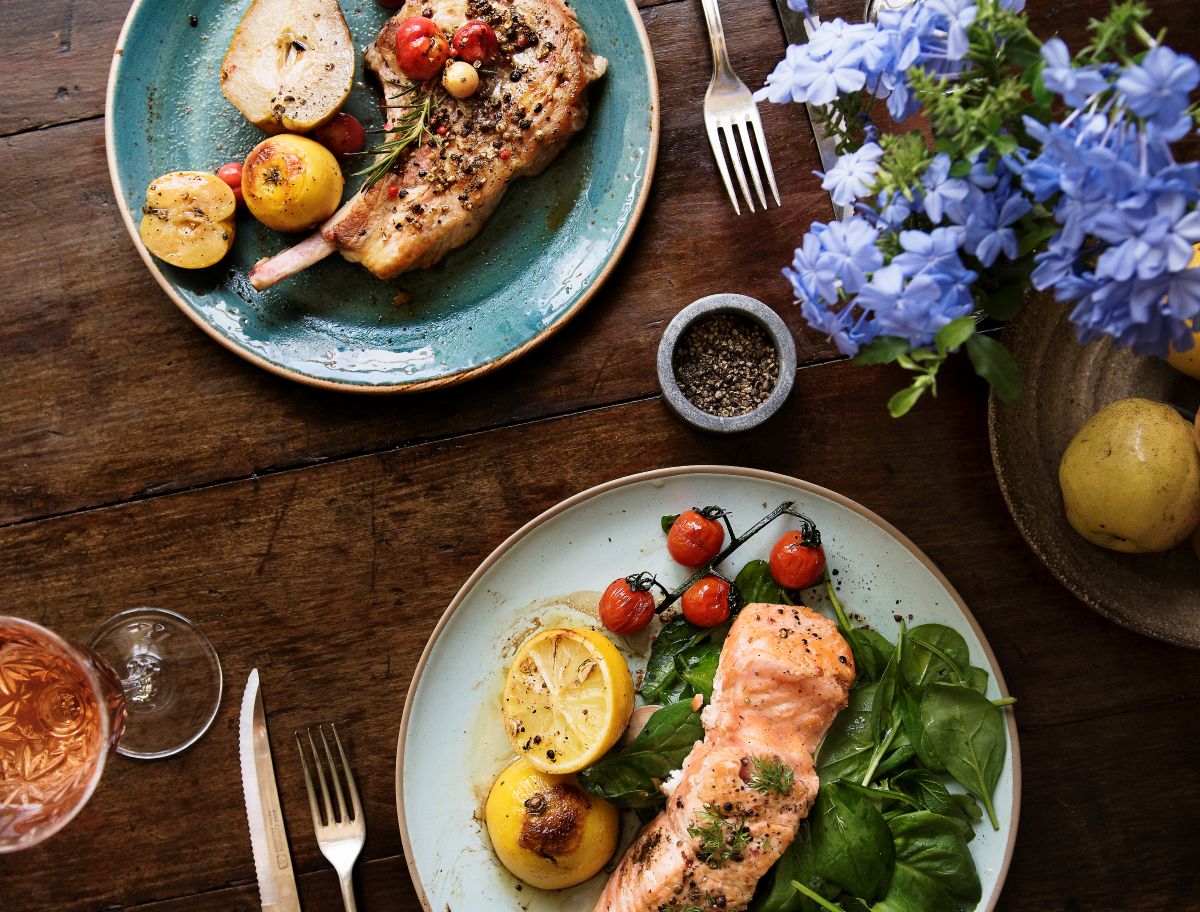
Rosé for Spring Mains and Easter Lunches
Rosé is one of the most versatile wines for spring because it sits comfortably between white and red wine. When pairing rosé with food, it helps to look at a few key characteristics of the wine and think about how they interact with seasonal ingredients and dishes.
What to look for when pairing rosé:
- Acidity – Most dry rosés have lively acidity. This helps cut through richer ingredients such as creamy potato dishes, cheese-based bakes, or oily fish.
- Fruit flavours – Notes of strawberry, raspberry, pink grapefruit, or peach complement the natural sweetness of roasted vegetables, peas, and glazed meats.
- Dryness – Dry rosé works best with savoury dishes rather than sweet foods, making it ideal for lunch plates, charcuterie boards, and Easter spreads.
- Body – Rosé is usually light to medium-bodied, so it pairs best with dishes of similar weight, such as salads, vegetable tarts, smoked fish, or lighter roasts.
Wines to try with these dishes:
- Lychgate Rosé 2023 – A Provence-style rosé with pale strawberry hues and aromas of pink grapefruit, raspberry-peach Melba, and lemon sherbet. The palate shows balanced acidity and a dry finish. Pairs well with a charcuterie board, smoked trout pâté on parmesan bread, or a potato-and-Emmenthal galette.
- Provence-style rosé – Light, dry, and refreshing, ideal with salads, cured meats, and seafood starters.
- Light Pinot Noir – Soft red fruit flavours complement roast poultry, mushrooms, and herb-led vegetable dishes.
- Gamay – Bright fruit and moderate acidity that works well with lighter roasted foods and spring vegetables.
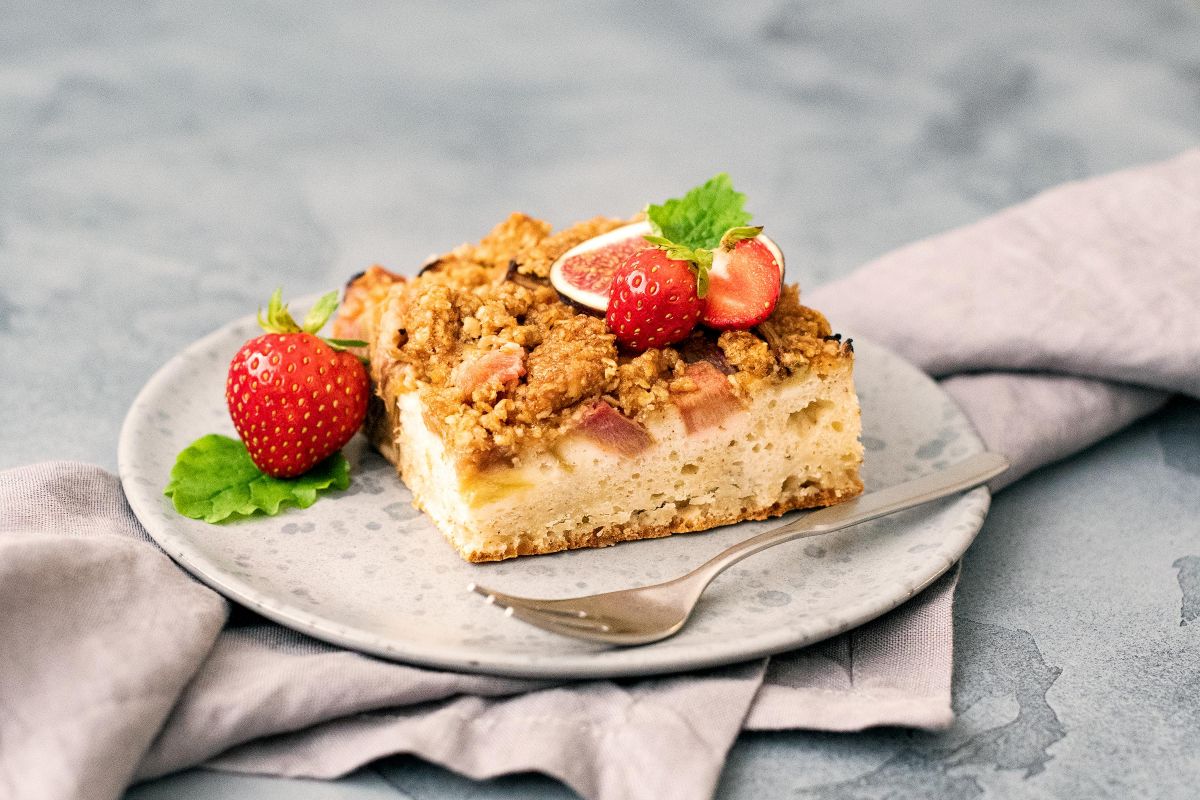
Sparkling Wines for Starters and Spring Desserts
Sparkling wines are a natural fit for spring menus because their lively bubbles and bright fruit flavours lift both savoury starters and lighter desserts. Many traditional method sparkling wines show notes of citrus, green apple, and freshly baked bread, which pair well with seasonal ingredients such as seafood, herbs, and berries.
What to look for when pairing sparkling wines:
- Acidity – Sparkling wines have lively acidity that balances rich or creamy flavours, making them ideal with starters like smoked trout pâté or spring pea soup, and desserts such as rhubarb fool or treacle tart. This keeps the palate balanced and prevents heavier dishes from feeling overwhelming.
- Bubbles – The effervescence acts like a palate cleanser, helping reset your taste buds between bites. That makes sparkling wine particularly good with foods that feel rich or creamy.
- Citrus and orchard fruit flavours – Notes of lemon, green apple, or pineapple complement fruit desserts and spring ingredients such as berries or lightly dressed salads.
- Toasty or brioche notes – Traditional-method sparkling wines often develop flavours of baked bread or pastry, which pair naturally with savoury bakes, quiches, and other pastry-based dishes.
Wines to try with these dishes:
- Bolney Bubbly – A traditional method sparkling wine with aromas of brioche, citrus fruits, and honeysuckle. The palate shows green apple, freshly baked bread, and pineapple with lime, creating a balanced and lively finish. Works well with fruit-based desserts such as fruit crumble and lemon drizzle cake.
- Prosecco – Light and fruity with gentle bubbles, ideal with fruit desserts and lighter starters.
- Cava – Citrus-led with clean acidity, pairing well with tapas-style dishes, and savoury pastries.
- Brut sparkling blends – Versatile and elegant, working with everything from smoked fish starters to spring desserts.
Pro Tip
When trying spring food-and-wine pairings at home, start small. Taste a little of the dish, then sip the wine and notice how the flavours interact. Pay attention to acidity, sweetness, and weight – even subtle changes can make a meal feel more balanced and exciting. Keeping a tasting notebook can help you remember combinations you enjoy and build confidence in experimenting.

Learn About Wine & Food Pairing At Bolney Estate
Explore how wine can bring out the best in your spring meals at Bolney Wine Estate in West Sussex.
Join a guided vineyard tour and taste our award-winning wines while learning practical tips for pairing them with seasonal British dishes. Our expert winemakers will explain how acidity, body, and flavour interact with foods like lamb, fresh vegetables, and light desserts.
Ask questions, discover simple tasting techniques, and experiment with combinations in a hands-on experience designed for both beginners and wine enthusiasts.