Account






What Is Vermouth
Start exploring

At Bolney Wine Estate, we love vermouth — but we’re often asked the same questions: what exactly is vermouth, how is it made, and how should you drink it?
Perhaps you know vermouth from a classic martini, a Negroni, or simply by name. It’s a drink with a fascinating history, huge versatility, and far more character than it’s often given credit for. In this guide, we’ll explain what vermouth is, explore its origins and flavours, and show you how to enjoy it, before sharing why we believe English vermouth deserves its place in the spotlight.

What is Vermouth?
Vermouth is a fortified wine, meaning a spirit is added to a base wine to increase its alcohol content and extend its shelf life once opened. It’s also called an aromatised wine, as it is flavoured with a carefully selected blend of botanicals, including herbs, roots, spices, flowers, and fruits. Common ingredients can include wormwood, camomile, cinnamon, cloves, orange peel, cardamom, gentian, and star anise.
Types of Vermouth
Traditionally, vermouth falls into two main styles, but several variations are worth knowing. Each style starts with a base wine, which is then fortified with a neutral spirit and infused with botanicals:
-
Dry (white) vermouth – Made from white wine, dry vermouth is crisp and lightly aromatic. Its subtle bitterness and clean flavours make it ideal for classic Martinis, where it complements the base spirit rather than dominates it.
-
Sweet (red or rosso) vermouth – Made from red wine, sweet vermouth is rich, slightly sweet, and spiced. It is commonly used in cocktails such as Negronis, Manhattans, and Americanos, adding depth and complexity with its botanicals.
-
Blanc or Bianco vermouth – Also based on white wine, Bianco vermouth is slightly sweeter than dry vermouth and has floral and citrus notes. Bolney Bianco Vermouth features lime leaves, rose buds, basil, green sorrel, lemon balm, and wormwood, making it a refreshing, aromatic aperitif.
-
Rosé vermouth – Typically made from rosé wine or a blend of red and white wines, rosé vermouth combines the aromatic complexity of sweet vermouth with lighter berry flavours and a delicate pink hue.
-
Aromatic or infused vermouths – Can be made from white, red, or rosé wine, depending on the producer. These vermouths often include unique herbs, spices, or seasonal botanicals, creating distinctive flavour profiles beyond the classic sweet and dry styles.
So even if you’ve never ordered a vermouth on its own, chances are you’ve enjoyed it in a cocktail before.
Where Does the Name “Vermouth” Come From?
The name “vermouth” comes from the German word “Wermut” (pronounced “VER-moot”), which means wormwood, one of the key botanicals traditionally used in the drink. Wormwood (Artemisia absinthium) is a herb native to North Africa and Europe, known for its use in absinthe. The plant gives vermouth its characteristic slight bitterness and aromatic complexity, and was originally added for both flavour and medicinal purposes.
Is There Alcohol in Vermouth?
Yes. Vermouth contains alcohol because it is a fortified wine. The alcohol comes from adding a neutral spirit during production. A neutral spirit is a high-strength, flavourless distilled alcohol, usually made from grains or grapes, that doesn’t interfere with the taste of the wine or botanicals. It gives vermouth gentle warmth on the palate, increases its alcohol content, and helps preserve it once opened, while letting the delicate herbal and fruit flavours shine.
European Union regulations require that vermouth:
-
Be made of at least 75% wine
-
Have a minimum ABV of 14.5% and a maximum of 22%
-
Include at least one artemisia-based botanical, such as wormwood
An artemisia-based botanical comes from the Artemisia genus, with wormwood (Artemisia absinthium) as the most traditional example. These herbs provide a slight bitterness and aromatic complexity that balance the wine’s sweetness and the other botanicals in vermouth.
Bolney Vermouths have an ABV of 20%, placing them between wine and spirits, making them ideal for sipping over ice, mixing into cocktails, or enjoying as an aperitif.
How is Vermouth Made?
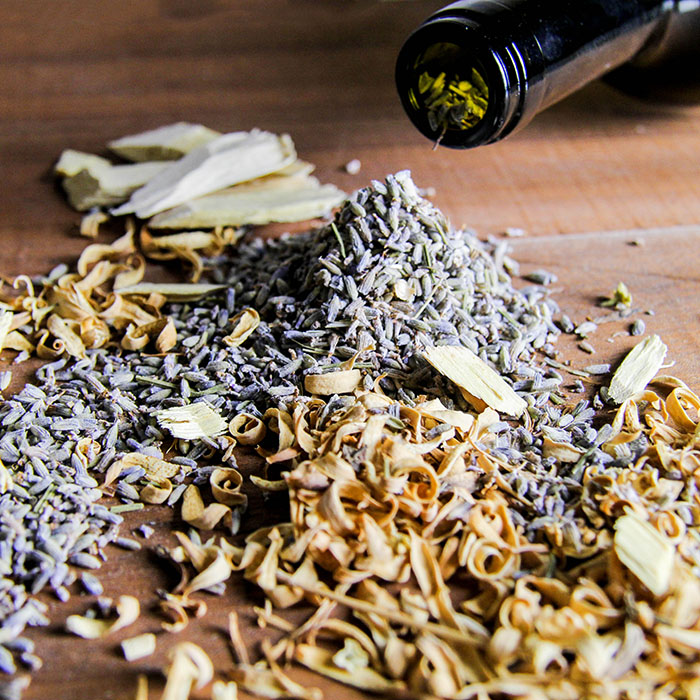
Vermouth starts with a base wine, then fortifies it with a neutral spirit — for Bolney Vermouth, this is grape brandy. Fortification raises the alcohol content, preserves the wine, and ensures the botanical flavours infuse evenly.
A carefully selected blend of botanicals is then steeped into the fortified wine, inspired by the hedgerows and countryside of our Sussex estate:
-
Rosso Vermouth: Wormwood, eucalyptus, lemon thyme, sloe, blackcurrant, and delicate floral notes of rosé and elderflower.
-
Bianco Vermouth: Rose buds, basil, green sorrel, lime leaves, lemon balm, and wormwood.
A small amount of sugar is added after the botanical infusion to balance the natural bitterness and harmonise the flavours. Bolney combines these steps with traditional vermouth-making techniques and locally sourced English ingredients, giving its vermouths distinctive character, elegance, and authenticity.
What Does Vermouth Taste Like?
Vermouth has a complex, aromatic flavour profile that balances sweetness, bitterness, and herbal notes. The taste varies depending on the style:
-
White (dry or Bianco) vermouth: Light, crisp, and refreshing, with floral and citrus notes. Bolney Bianco Vermouth blends zesty lime leaves and lemon balm with subtle herbal hints of basil and green sorrel, while wormwood adds a gentle bitterness, creating a balanced and refreshing aperitif.
-
Red (Rosso) vermouth: Rich, sweet, and spiced, with layered flavours of herbs, roots, and fruits. Bolney Rosso Vermouth showcases rich sloe and blackcurrant flavours, complemented by caramel, eucalyptus, and wormwood, with delicate touches of rosé and elderflower blossom. The result is a slightly sweet, full-bodied red vermouth with subtle herbal and spicy undertones, reflecting the English terroir of our Sussex estate.
Across all styles, vermouth often carries hints of citrus peel, floral botanicals, and aromatic herbs, making it versatile to enjoy neat, over ice, with tonic, or in cocktails.
A Brief History of Vermouth
Vermouth’s story extends far beyond cocktail bars — its roots trace back centuries to the tradition of aromatised, fortified wines. Europeans used herbal wines as early as the 16th century, often infusing them with botanicals such as wormwood, cinnamon, cloves, bay leaves, saffron, and other herbs for medicinal purposes. Wormwood, in particular, was valued for its digestive and aromatic properties.
The form of vermouth familiar to drinkers today began in Turin, Italy, in 1786 when herbalist and distiller Antonio Benedetto Carpano created the first commercially produced sweet vermouth by flavouring and fortifying wine with a blend of herbs and spices. He originally marketed it as an herbal wine for refined palates, and it quickly gained popularity in social cafés and at court.
As the 19th century progressed, vermouth production spread beyond Italy. In France, producers began making dry vermouth, a lighter, less sweet style that contrasted with the Italian approach. The availability of both sweet (Italian‑style) and dry (French‑style) vermouths laid the foundation for the two classic styles still enjoyed today.
By the late 19th century, vermouth had become a staple in burgeoning cocktail culture. Bartenders in Europe and the United States embraced it as a key component of iconic drinks such as the Martini, Manhattan, and Negroni, cementing its place as both a sophisticated aperitif and a versatile mixing ingredient.
How Does English Vermouth Compare?
While Italy, France, and Spain are traditional vermouth centres, English vermouth has steadily gained recognition. More than 15 English vermouth brands now exist, reflecting interest in locally made, botanical-fortified wines made from English-grown grapes. English styles tend to be lighter, more aromatic, and shaped by the terroir of English wine regions.
At the 2025 International Wine & Spirit Competition, vermouth entries came from multiple countries and collected dozens of medals, showing that contemporary vermouths — including English expressions — compete successfully alongside historic European classics.
Has Bolney Vermouth Won Awards?
Bolney Rosso Vermouth has been recognised for its exceptional quality and flavour. In 2020, it won a silver medal at the World Vermouth Awards, with judges noting:
“Blackcurrant wine on the nose; also notes of brown sugar, baking spices, and dried fruit. Herbal with warm woody flavours, and the unmistakable presence of rosemary and thyme, which gives it a savoury edge.”
Bolney Rosso Vermouth was also featured in The Independent’s guide to ‘The best summer aperitifs to drink now’, highlighting its refreshing, versatile appeal.
In 2022, Bolney Rosso Vermouth earned further acclaim at the World Vermouth Awards, winning two prestigious accolades:
-
World’s Best Semi-Sweet – Bolney Wine Estate Rosso English Vermouth
-
Gold Medal – Bolney Wine Estate Rosso English Vermouth
These awards underline Bolney’s position as a producer of high-quality English vermouth, celebrated for its distinctive flavours and craftsmanship.
How Should You Drink Vermouth?
Vermouth is versatile and can be enjoyed on its own, with tonic, or in cocktails. To showcase the best ways to enjoy it, we’ve put together a selection of serving ideas.
On Its Own
Robin, National Sales Manager at Bolney, finds the sweet and herbal flavours in Rosso and Bianco Vermouths perfectly balanced on their own. His favourite way to enjoy it is neat over ice, allowing the complex botanicals to shine.
With Tonic
Ali, HR and Office Manager, found Indian Tonic Water to be the perfect pairing with Bolney Rosso and Bianco Vermouths, highlighting the unique hedgerow flavours while keeping the drink refreshing.
Bianco Serves:
Bianco and Mediterranean Tonic
-
Fill a balloon glass halfway with ice
-
Pour over 35ml of Bolney Bianco Vermouth
-
Top up with Fever-Tree Mediterranean Tonic
-
Garnish with a slice of grapefruit and a sprig of green sorrel or basil
Bianco Spritz
-
Fill a wine glass with ice
-
Pour over 35ml of Bolney Bianco Vermouth
-
Add 60ml sparkling water or prosecco
-
Garnish with a slice of orange and a sprig of lemon balm
In a Cocktail
-
Mix 25ml Bianco Vermouth with 25ml Bolney Gin and a dash of orange bitters for a light, aromatic Martini-style cocktail
-
Or combine 30ml Bianco Vermouth, 30ml Bolney Gin, and 15ml St-Germain for a floral, summery cocktail
Rosso Serves:
Vermouth and Elderflower Tonic
-
Fill a balloon glass halfway with ice
-
Pour over 35ml of Bolney Rosso Vermouth
-
Top up with Fever-Tree Elderflower Tonic
-
Garnish with a wheel of orange and a sprig of lemon thyme
Vermouth and Indian Tonic
-
Fill a third of a rocks (lowball) glass with ice
-
Pour over 25ml of Bolney Rosso Vermouth
-
Top up with Fever-Tree Indian Tonic
-
Garnish with a sprig of thyme
Vermouth and Aromatic Tonic
-
Fill a balloon glass halfway with ice
-
Pour over 35ml of Bolney Rosso Vermouth
-
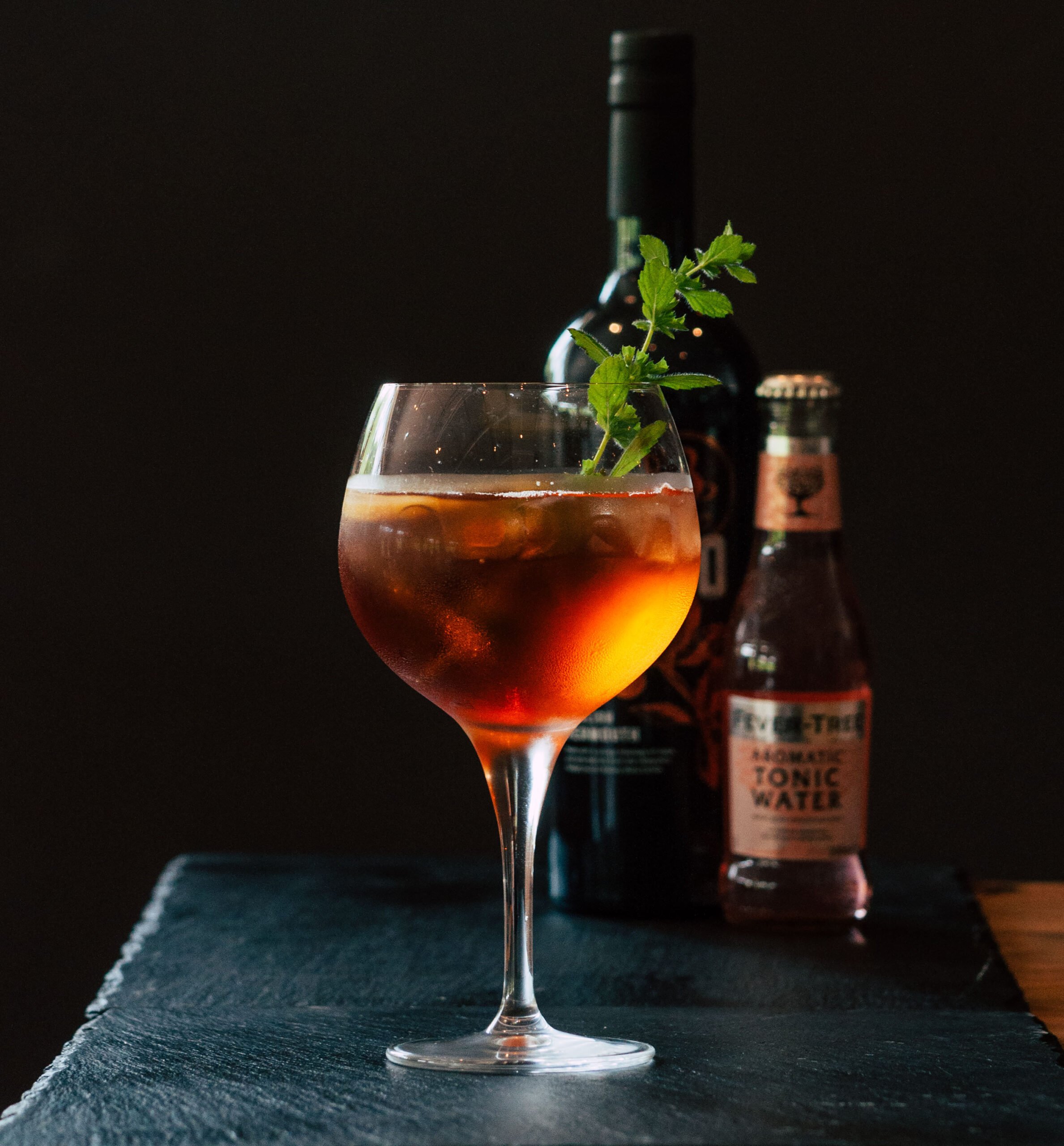
Top up with Fever-Tree Aromatic Tonic
-
Garnish with a wheel of lemon and an optional sprig of lemon balm
In a Cocktail
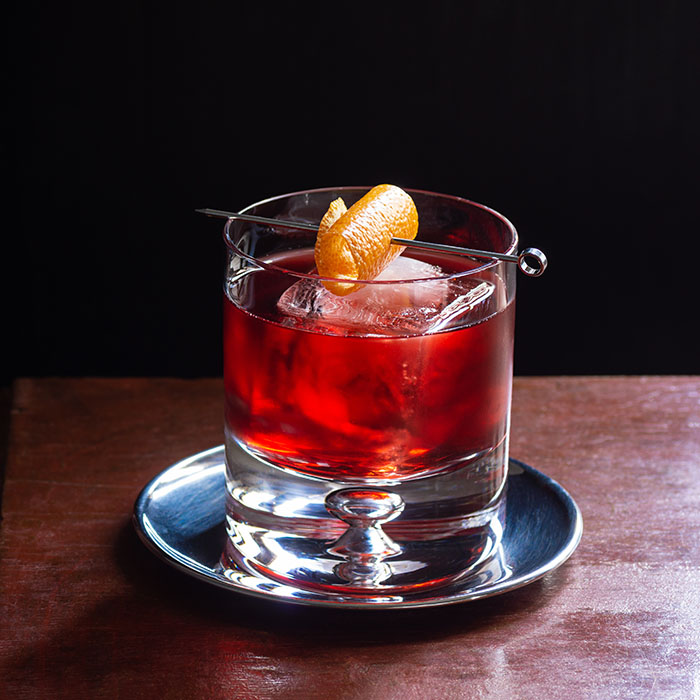
Mili, Events, Tours & Customer Services Supervisor, finds vermouth the perfect cocktail base. Her favourite is the Sussex Negroni with notes of orange peel, warming ginger, and bitter flavours. Visit our cocktail recipes page for more ways to enjoy Bolney Vermouth at home.
Summary
Vermouth is a historic, aromatic, and versatile fortified wine. From medieval herbal origins and Italian and French spiced wines to modern English vermouth, it offers a rich and slow-drinking tasting experience. Bolney Rosso Vermouth and Bolney Bianco Vermouth, crafted from English red and white wines and local botanicals, capture the traditional vermouth style with a distinctive Sussex twist.
Try Rosso Vermouth at Bolney Estate
Discover it for yourself by visiting Bolney Wine Estate in West Sussex — explore our vineyards, take a guided tour of our winery, and taste our award-winning wines and Rosso Vermouth for the full experience.
How To Enjoy Vermouth
Vermouth is a fortified wine, which means it has had a spirit added to it to increase the alcohol content, giving it a heat on the palate and making it last for a bit longer once opened than standard wine.

6 Easy Gin Cocktails To Make At Home
If you’re a fan of gin, you’ll love our gin cocktails. Gins herbal flavor lends itself to refreshing cocktails. Our Bolney gin based cocktails recipes are easy to make and bursting with flavour, made with our very own Sussex gin.

Related products


- Fortified Wines
- 20% ABV
Bolney Rosso Vermouth
Price range: £17.00 through £204.00
- Fortified Wines
- 20% ABV
£17.00 Single
£102.00 Case of 6
£204.00 Case of 12
- Fortified Wines
- 20% ABV
White Vermouth
£17.00
- Fortified Wines
- 20% ABV
- Spirits
- 40% ABV
Bolney Estate Gin
Price range: £35.00 through £420.00
- Spirits
- 40% ABV
£35.00 Single
£210.00 Case of 6
£420.00 Case of 12
- Spirits
- 30% ABV
Bolney Estate Sloe Gin
Price range: £35.00 through £420.00
- Spirits
- 30% ABV
£35.00 Single
£210.00 Case of 6
£420.00 Case of 12