Account






English Wine Harvest 2026: 265 Tonnes Of Grapes At Bolney
Start exploring

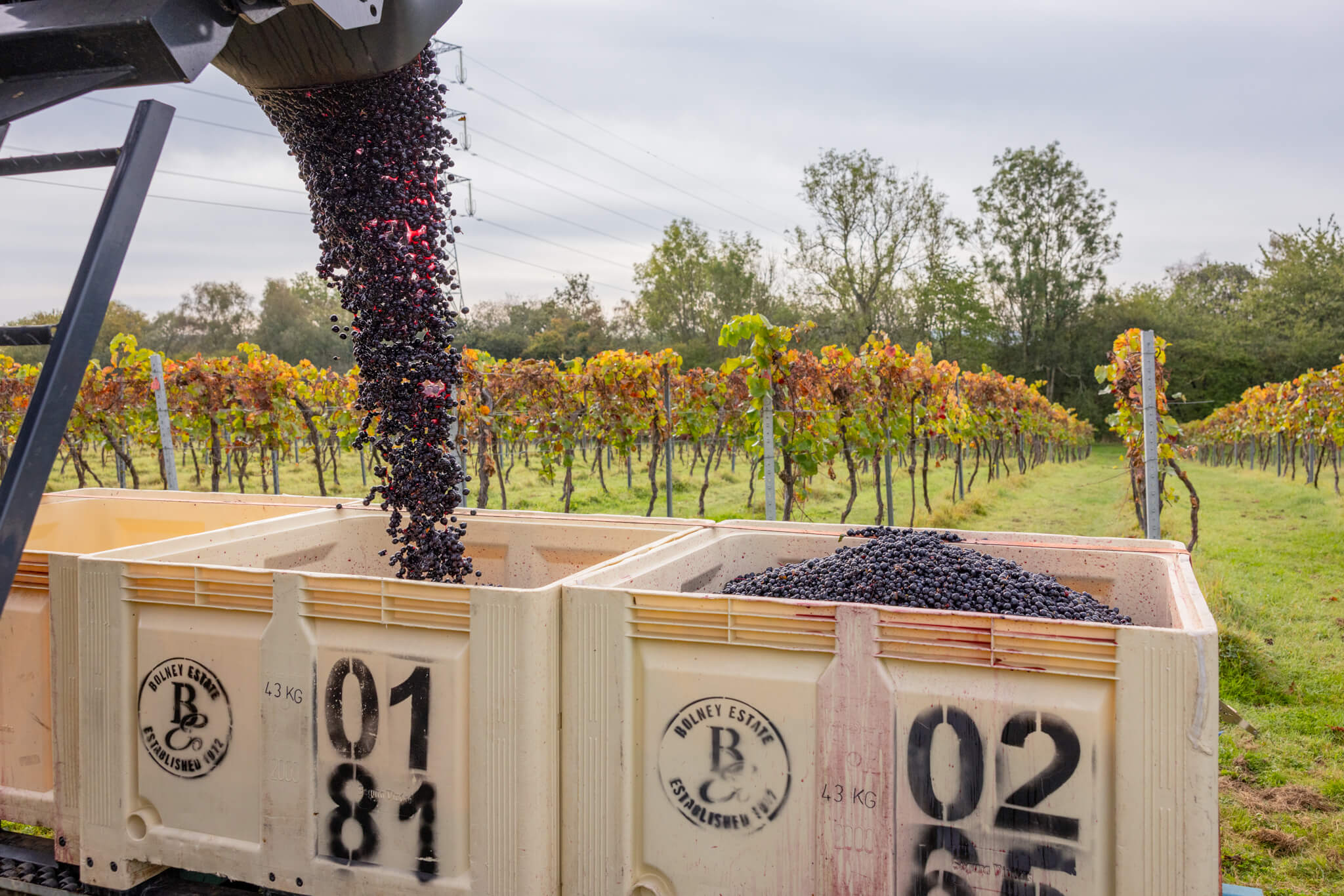
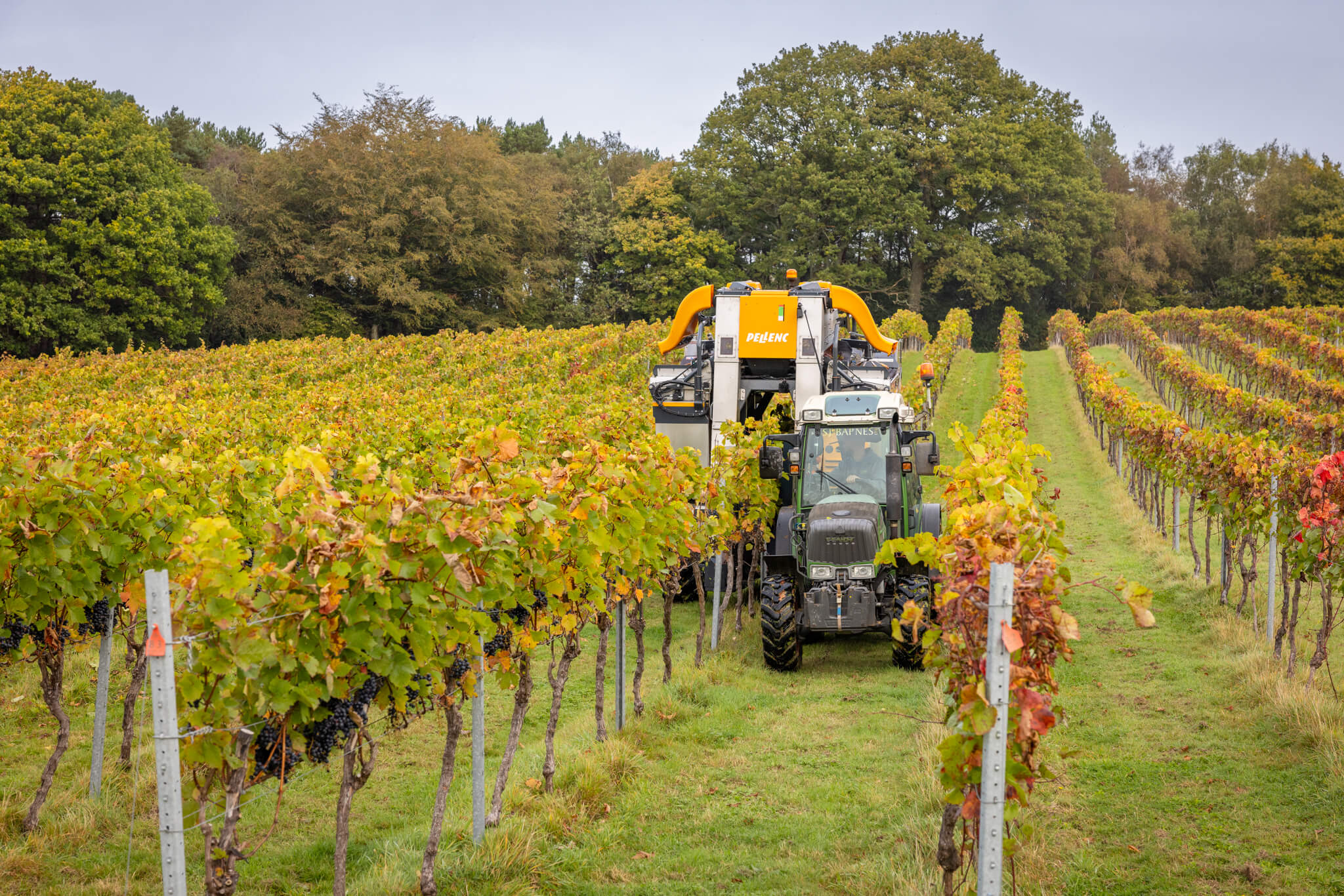
The last crates are in, the press has fallen quiet, and harvest 2026 is complete at Bolney Wine Estate. Picking began remarkably early, on 20 August, and wrapped up on 28 September, with 265 tonnes of grapes brought into the winery in just over a month!
It was a harvest of early mornings, long shifts and a real buzz in the winery. It was also a goodbye. Harvest 2026 was the last from Bolney’s old vines, which have been part of the estate for decades and will be removed this autumn to make way for new plantings.
Read on to find out how a record-breaking summer brought the grapes in so soon, what goes on in a winery when the fruit arrives, and what happens to the grapes now.
What happened this year in a snapshot:
Bolney Estate Harvest 2026
- Picking started: 20 August 2026
- Picking finished: 28 September 2026
- Grapes harvested: 265 tonnes
- Winery team: Grew from two people to ten at the busiest point
- Next step: Stage Two of the vineyard grub up begins on 28 October
Jump to a section
When Did the 2026 Harvest Start and Finish at Bolney?
Bolney’s 2026 harvest started on 20 August and finished on 28 September. That puts it weeks ahead of the traditional English grape harvest, which has usually started in late September or October.
English harvests have been creeping earlier for a few years now. In 2025, a handful of English and Welsh producers began picking in late August, most had started by mid-September, and the majority finished in the first week of October, according to WineGB’s harvest findings, reported by The Drinks Business. That was around three weeks earlier than 2024.
Jargon explained: vintage
A vintage is the year the grapes were harvested. Wine made from grapes picked in 2026 belongs to the 2026 vintage. Find out more in our guide to when wine becomes vintage.
Here is how 2026 compares with two recent Bolney harvests:
| Harvest year | When picking happened | What stood out |
|---|---|---|
| 2020 | From September | More than 235 tonnes, enough for around 190,000 bottles |
| 2025 | Finished before the end of September | Around average yields, with very ripe, healthy fruit |
| 2026 | 20 August to 28 September | 265 tonnes, and the final crop from the old vines |
You can read more about those seasons in our reports on the 2025 and 2020 harvests.
Why Was the 2026 Grape Harvest So Early?
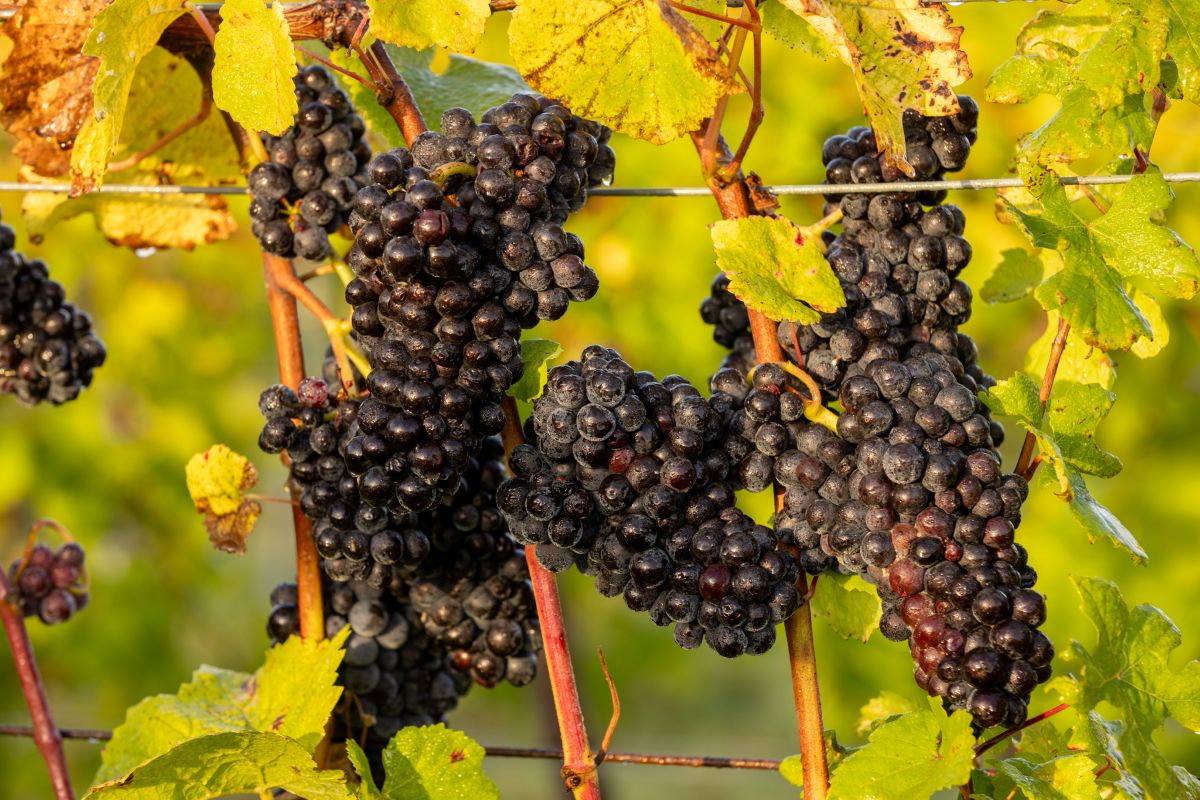
The 2026 harvest came early because the UK had its warmest summer on record. Warmth and sunshine speed up ripening, so the grapes reached the right balance of sugar and acidity sooner than usual.
Here is what summer 2026 looked like in England, according to provisional Met Office figures:
- Average temperature: 18.2°C, which is 2.5°C above the 1991 to 2020 average
- Rainfall: 64% of a normal summer’s total
- Sunshine: 752 hours, or 133% of average
- UK record: A summer average of 16.5°C, beating the 16.1°C record set only a year earlier in 2025
August was especially warm in the south. West Sussex, where Bolney’s vineyard grows, was one of seven counties to break its record for average August temperature, the Met Office reported.
Hot summers are becoming more common, and they are reshaping English wine in other ways too. We look at the bigger picture in 6 ways warmer weather is changing English vineyards.
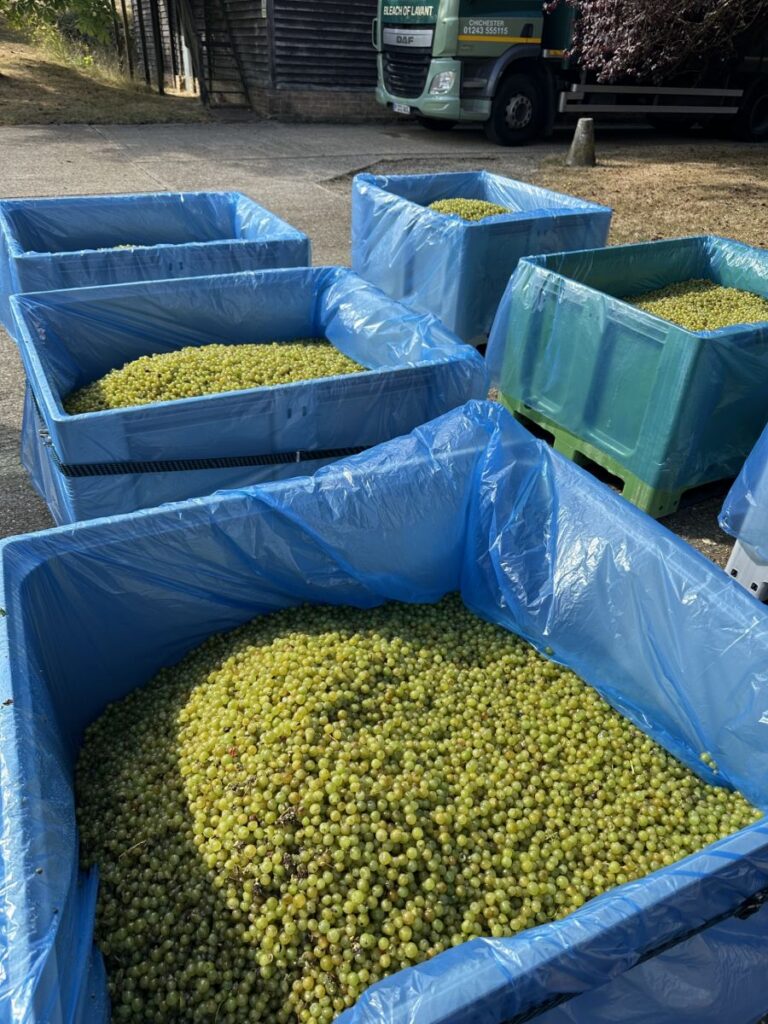
How Do Winemakers Know When Grapes Are Ready to Pick?
Winemakers decide when to pick by tasting the grapes and testing their sugar and acidity. In a summer as hot as 2026, sugar can climb quickly, so the Bolney vineyard team checked the grapes often to catch the right moment.
Jargon explained: ripeness
Ripeness is the point where a grape has the sugar, acidity and flavour a winemaker wants. Grapes for sparkling wine are usually picked a little earlier than grapes for still wine, to keep them fresh and crisp.
For more on how weather shapes ripening, and what can go wrong in a typical English season, see our guide to the English wine harvest.
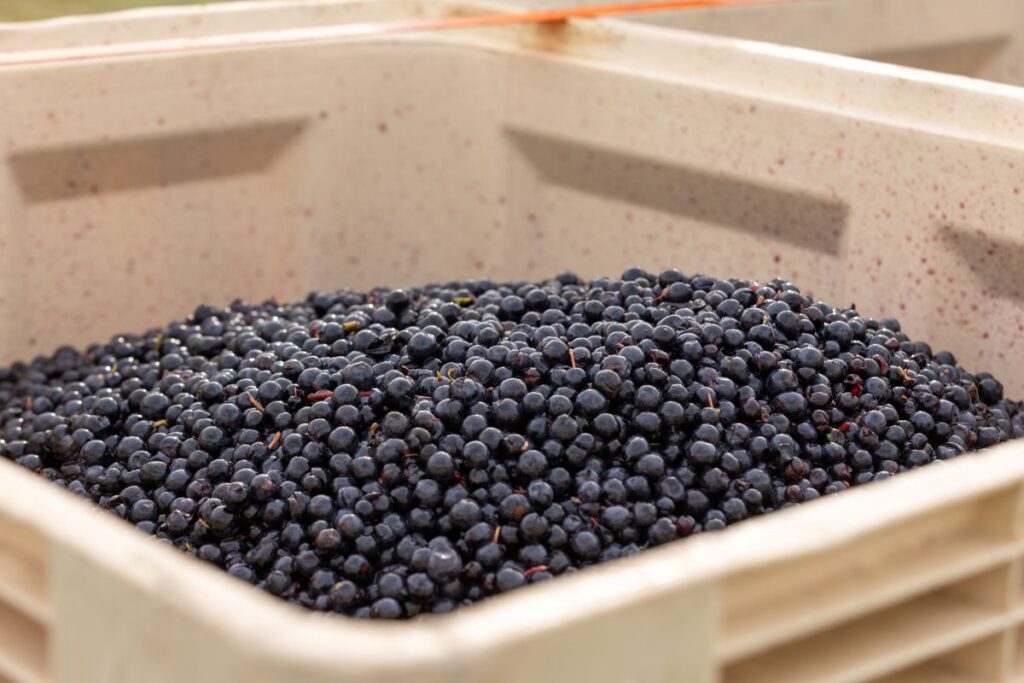
What Happens in a Winery During Harvest?
During harvest, a winery presses grapes as soon as they arrive to keep the juice fresh. At Bolney, the winery team grew from two people to ten at its busiest, working long shifts with the press running around the clock.
For Bolney Winemaker Miguel Symington, the season sets the tone for everything that follows: “Harvest is the start of our year, and it shapes the rest of it. It’s an intense time of year, but it’s also our favourite.”
Why Do Grapes Need Pressing So Quickly?
Grapes start to lose their freshness once they leave the vine, so the 2026 fruit went into the press as fast as the team could manage. We explain the process step by step in our guide to what happens in the winery during harvest.
How Much Wine Can 265 Tonnes of Grapes Make?
As a rough guide, it takes about 1.2 kg of grapes to make one bottle of Champagne, according to the Comité Champagne. On that basis, 265 tonnes of grapes could fill around 220,000 bottles.
However, it is a general rule of thumb. The final number depends on the grapes, the wine styles made and how firmly the grapes are pressed. Champagne and sparkling wine, for example, allow no more than 2,550 litres of juice from every 4,000 kg of grapes.
Why Was This the Last Harvest From Bolney’s Old Vines?
Harvest 2026 was the last from Bolney’s old vines because the remaining ones will be removed this autumn. Stage Two of the estate’s vineyard grub up begins on 28 October, and the land will be replanted with Chardonnay, Pinot Noir and Pinot Meunier, as The Drinks Business reported when the project was announced.
Jargon explained: grubbing up
Grubbing up means carefully uprooting old vines, usually so the soil can rest before new vines are planted.
The old vines were mainly Dornfelder and Rondo, two red grapes that played a big part in the early days of English wine. Many were planted in the 1970s, 80s and 90s and were becoming less productive and more disease-prone, according to The Buyer.
Vines do slow down with age. The Wine & Spirit Education Trust (WSET) notes that a healthy vine can stay productive for well over 50 years, but often gives less fruit as it gets older.
Here is where the Bolney Estate replanting project stands:
- Autumn 2025: About two-thirds of the original vineyard was grubbed up
- 5 May 2026: 16,000 new vines went into the ground
- 28 October 2026: Stage Two begins, removing the remaining old vines
- Spring 2027: Around 5,000 more new vines are due to be planted
Did you know: the sparkling wine grapes
Chardonnay, Pinot Noir and Pinot Meunier are the classic grapes of Champagne. They are also the main grapes behind traditional method sparkling wine in England. Discover more in our guide to the 10 grapes grown in the UK for English wine.
How Long Until the New Vines Produce Grapes?
Young vines need a few years to settle in. Bolney’s new vines are expected to give usable fruit after around three years, with full, steady crops taking five to seven years, according to The Buyer.
Winemaking carries on in the meantime. Bolney also works with long-standing growers across Sussex, Kent and Essex, so the winery keeps receiving fruit while the estate vineyard is renewed.
What Happens to the Grapes After Harvest?
After harvest, the pressed grape juice is fermented into wine. With the final grapes safely in, the Bolney team now turns its attention to fermentation and the new wines to come.
Jargon explained: fermentation
Fermentation is the natural process where yeast turns the sugar in grape juice into alcohol and carbon dioxide. It is the step that turns juice into wine.
How Is Sparkling Wine Made After Harvest?
Traditional method sparkling wine goes through two fermentations. The juice first ferments into a still base wine, then the blended wine is bottled with yeast and a little sugar so a second fermentation creates the bubbles inside the bottle. We walk through each step in our explainer on how sparkling wine is made.
Jargon explained: lees
Lees are the spent yeast cells left behind after fermentation. Resting sparkling wine on its lees adds depth and bready, toasty notes.
When Will the 2026 Wines Be Ready to Drink?
Fresh still wines are usually the first wines from a harvest to be released. Traditional method sparkling wines take much longer, because they need time on their lees.
As a benchmark, all Champagne and sparkling wines must age for at least 15 months in the bottle before release, including at least 12 months on their lees for non-vintage wines, Decanter explains. So the sparkling wines from harvest 2026 are still some way off, and worth the wait. Until then, you can explore wines from earlier harvests in Bolney’s English wine collection.
See Where the 2026 Grapes Grew
If harvest has made you curious, a vineyard visit is a relaxed way to see how English wine is made. Bolney Wine Estate has been growing grapes in West Sussex since 1972, and its tours and tastings welcome beginners and wine lovers alike.
Frequently Asked Questions
What does vintage mean on a wine bottle?
The vintage on a wine bottle is the year the grapes were harvested. A bottle labelled 2026 is made from grapes picked in 2026. It tells you the harvest year, not the wine’s age or quality.
How long does a grape harvest last?
A grape harvest usually lasts several weeks, depending on the weather, the grape varieties and the size of the crop. Bolney’s 2026 harvest lasted just over a month. In 2021, a cooler and more challenging year, picking, pressing and winemaking at Bolney took around eight weeks, as described in the estate’s 2021 harvest report.
Is an early harvest good for English wine?
An early harvest often means a warm, dry season with ripe, healthy grapes. It can also give growers more freedom to pick when the fruit is ready, not when bad weather forces their hand. The main challenge is timing, as sugar can rise quickly in hot weather.
Why do vineyards replace old vines?
Vineyards replace old vines when they produce less fruit or become more disease-prone. Replanting also lets growers choose grape varieties better suited to their soil, climate and the wines they want to make.
How long do new vines take to produce grapes?
New vines usually give their first usable crop after around three years. Full, steady yields can take five to seven years, as the young vines need time to build strong roots.
Sources
- Met Office: Summer 2026 provisionally hottest on record for the UK: Summer 2026 temperature, rainfall and sunshine figures, and the West Sussex August record
- The Drinks Business: English and Welsh 2025 wine harvest delivers ‘ripest fruit ever’: WineGB findings on 2025 harvest timing
- The Drinks Business: James Davis MW on Bolney’s two-year vineyard transformation: Replanting plan and the Chardonnay, Pinot Noir and Pinot Meunier plantings
- The Buyer: How Bolney has dug up its past to plant for the future of English wine: Old vine varieties and ages, replanting phases, timeline for new vines and grower partnerships
- Comité Champagne: L’élaboration du Champagne fact sheet (in French): Pressing rules, grapes per bottle and ageing minimums
- Decanter: When should I open my NV Champagne?: Minimum ageing rules for Champagne
- WSET: The lifecycle of a vine: How long vines stay productive