Account






How Do You Store Sparkling Wine Properly?
Start exploring

Knowing how to store sparkling wine properly makes a real difference to how it tastes when you finally pop the cork. From English sparkling wine, Champagne, Prosecco and Cava, poor storage can quickly dull flavours and cause the bubbles to fade.
Sparkling wine is particularly sensitive to its environment, so factors such as temperature, light, humidity and bottle position all matter. Storage rules also change once the bottle has been opened.
This easy-to-follow guide from award-winning English sparkling wine producers, with over 50 years of experience, helps you store your bottles correctly at home and enjoy them at their best.
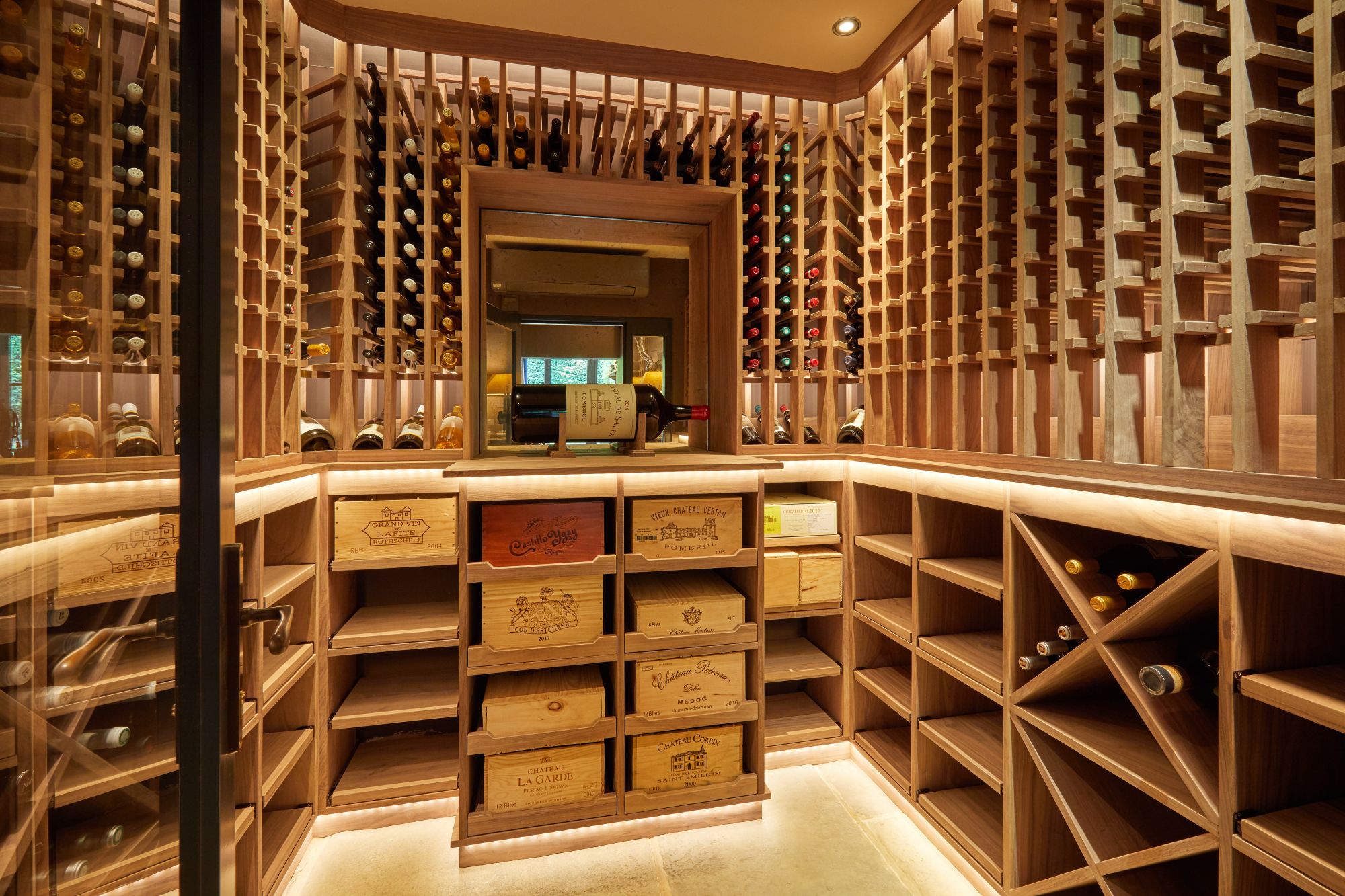
The Best Ways to Store Sparkling Wine at Home
You don’t need a professional wine cellar to store sparkling wine properly. With a bit of care and the right conditions, most homes have suitable options. If you’re thinking about where to keep your bottles long‑term, consider how to set up a home wine bar that works for your space and storage needs.
How to Store Unopened Sparkling Wine
1. Should Sparkling Wine Be Stored on Its Side?
Yes. Corked bottles of sparkling wine should be stored on their side, ideally at a slight angle. This keeps the cork moist. If a cork dries out, it can shrink, allowing oxygen to enter the bottle and carbon dioxide (the bubbles) to escape. The result is flat, tired wine.
Storing the bottle on its side also keeps the ullage in the right position. Ullage is the small gap between the wine and the cork, created during bottling. It plays a role in slow, controlled ageing and flavour development.
2. Keep Sparkling Wine Still
Sparkling wine benefits from a calm environment. Constant movement or vibration can disturb the wine’s structure and subtly change how acidity and alcohol are perceived on the palate. Scientific research has shown that even small environmental vibrations during storage can influence a wine’s chemical composition and sensory characteristics over time, making stillness an important part of proper wine storage.
For this reason, a standard kitchen fridge isn’t ideal for long‑term storage. Refrigerators generate movement and vibration whenever the motor runs or the door opens, which can disrupt delicate wines over months or years.
For longer‑term storage, choose a quiet, undisturbed location where bottles can rest peacefully, and the wine can mature without interruption.
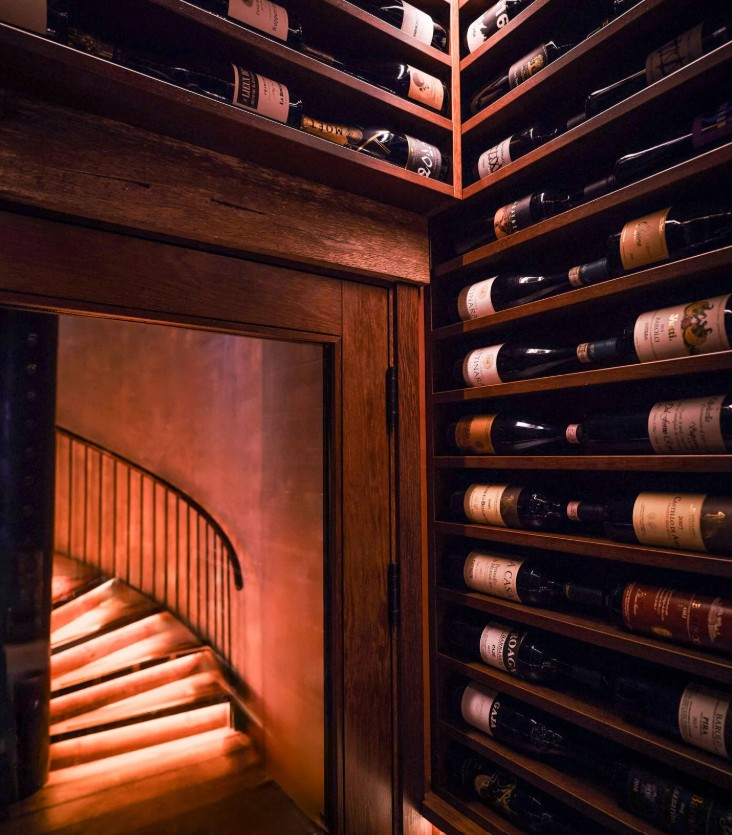
3. Store Sparkling Wine Away from Light
Light exposure can damage sparkling wine through photochemical reactions in the bottle. Research shows that UV and visible light can create sulphur-containing compounds, giving wine off-flavours sometimes called “taste of light”. These flavours are often described as cooked cabbage, rubbery or onion-like, and can mask the wine’s fresh, delicate aromas. Darker glass bottles help protect against this effect, and storing wine in a cool, dark place limits light’s impact on quality and freshness.
4. Humidity Matters More Than You Think
For corked sparkling wine, humidity levels between 50% and 85% are ideal. Air within this range is slightly moist rather than damp, helping to keep the cork in good condition. Research on cork materials shows that cork becomes more elastic and resilient when it retains moisture, helping maintain a tight seal and reducing the risk of oxygen entering the bottle.
Air that is too dry (below 50%) can cause the cork to shrink, allowing air to enter the bottle and the fizz to escape. Air that is too damp (above 85%) may encourage mould on the cork or label. Studies on sparkling wine storage show that controlling environmental conditions, including humidity, helps maintain wine quality over time.
In practical terms, the optimal conditions for storing sparkling wine are similar to a cool cupboard or under-stairs space in a typical British home, away from radiators, boilers, or direct sunlight. The air in these spaces usually has a humidity range of 40%-60%. Areas where paper, cardboard, or wooden items remain in good condition without becoming brittle or musty are generally suitable for keeping sparkling wine in good condition.
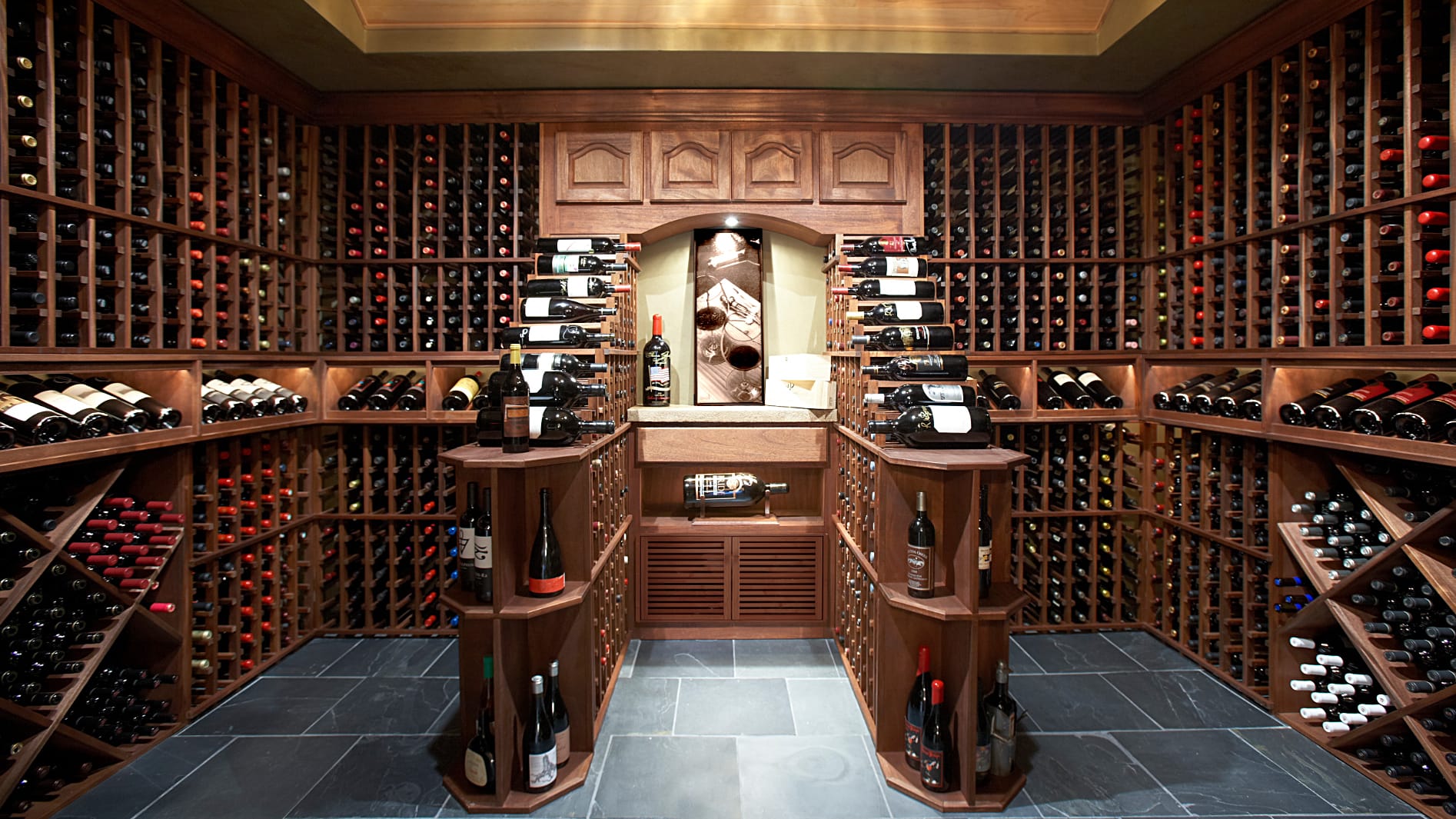
5. The Best Temperature to Store Sparkling Wine
Temperature is the most important factor in sparkling wine storage. Research on rosé sparkling wines shows that storing bottles at higher temperatures, even in the dark, can cause colour changes, off-flavours, and aroma deterioration. The study found that keeping wine at around 5 °C in the dark preserved colour and sensory quality, while storage at 30 °C led to burnt or yellowed notes and undesirable aromas.
For practical home storage, aim for a stable, cool temperature of 10–13 °C. Avoid placing bottles near radiators, ovens, or sunny windows, and choose a cupboard, under-stairs space, or wine fridge that stays consistent. Sudden temperature changes accelerate chemical reactions in the wine, dulling flavours and causing bubbles to fade.
How Do You Store Screw-Top Sparkling Wines?
Screw-top sparkling wines don’t rely on cork moisture, so they can be stored upright and are less affected by humidity. However, temperature and light exposure still matter, so it’s worth following the same advice on storing sparkling wine in cool, dark conditions.
How Long Can You Store Sparkling Wine For?
The answer depends largely on how the sparkling wine is made and the quality of the grapes used.
High-quality sparkling wines produced using the traditional method tend to last the longest. The traditional method is the same process used for Champagne and most English sparkling wines. It involves a second fermentation inside the bottle, which creates the bubbles and helps protect the wine as it ages. Time spent resting on the yeast (known as lees) adds structure and depth, allowing the wine to develop gradually.
As a general guide, unopened sparkling wine can usually be stored for 3–5 years after release when kept in the right conditions. Premium traditional-method sparkling wines, including many English examples, are often made with ageing in mind and can improve over a longer period, developing more complex, savoury characteristics.
Sparkling wines made for early drinking, such as most Proseccos and non-vintage sparkling wine, are best enjoyed within a year or two, as extended storage is unlikely to enhance their flavour.
How to Store Sparkling Wine After Opening
Once opened, sparkling wine’s lifespan drops significantly. Exposure to air allows the delicate bubbles to escape, and flavours begin to change, so taking a few simple steps can help keep your fizz enjoyable for as long as possible.
If you don’t finish the bottle straight away:
- Use a proper champagne stopper: These are specifically designed to seal in pressure and slow the loss of carbonation, helping the bubbles last longer. Ordinary corks won’t hold the fizz.
- Keep the bottle chilled in the fridge: Cold temperatures slow the wine’s chemical changes and preserve freshness.
- Drink it promptly: Ideally, enjoy the wine within 24 hours, and no later than 48 hours. Beyond that, the flavours become flat and dull.
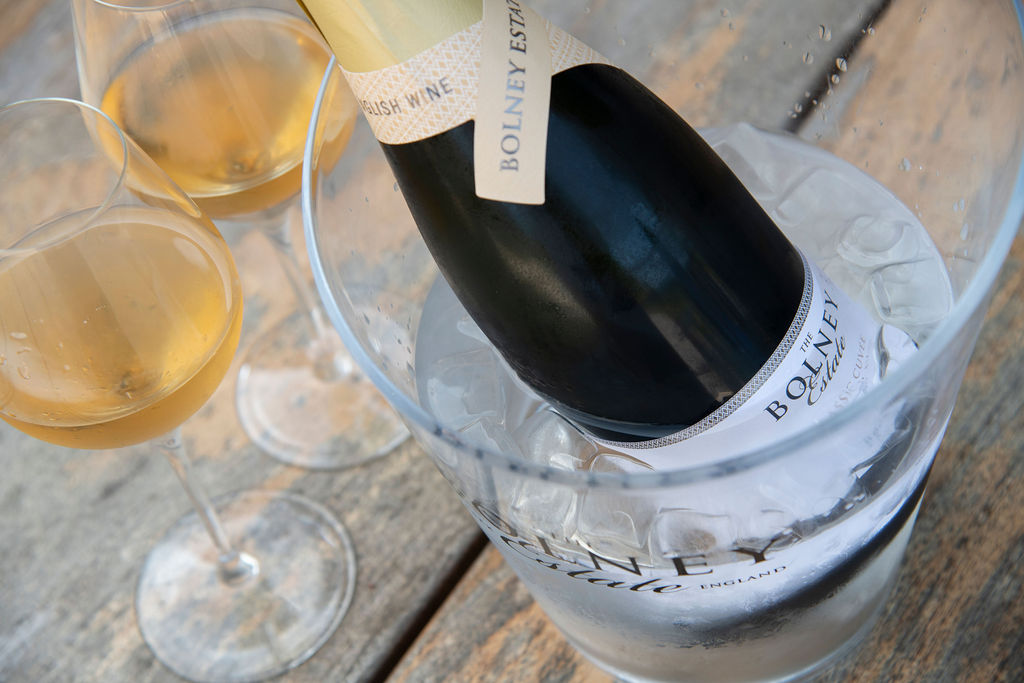
When serving sparkling wine at a party or gathering, keep bottles in an ice bucket between pours. The cold temperature helps maintain carbonation and ensures every glass stays crisp and lively, from the first pour to the last.
Does Unopened Sparkling Wine Expire?
Yes, even unopened sparkling wine will eventually go past its best, although it generally lasts longer than many other drinks. The combination of alcohol and fermentation creates an environment that slows bacterial growth, helping the wine remain drinkable for years. However, no sparkling wine lasts forever, and storage conditions play a big role in how long it maintains its quality.
Signs a bottle may no longer be suitable to drink include:
- Colour changes: High-quality traditional-method sparkling wines may develop a deeper or more golden hue as they age, which often adds complexity. Noticeable browning or a dull appearance, however, can indicate oxidation or spoilage.
- Unusual smells: Vinegary, medicinal, or musty aromas usually result from chemical changes in the bottle and suggest the wine’s character has been compromised.
- Taste changes: Sharp acidity, bitterness, or caramelised flavours are warning signs that the wine is past its prime. Even if bubbles remain, the flavour profile may have deteriorated.
When in doubt, opening a fresh bottle is the safest way to ensure a pleasurable experience. Proper storage slows deterioration but cannot prevent it indefinitely.
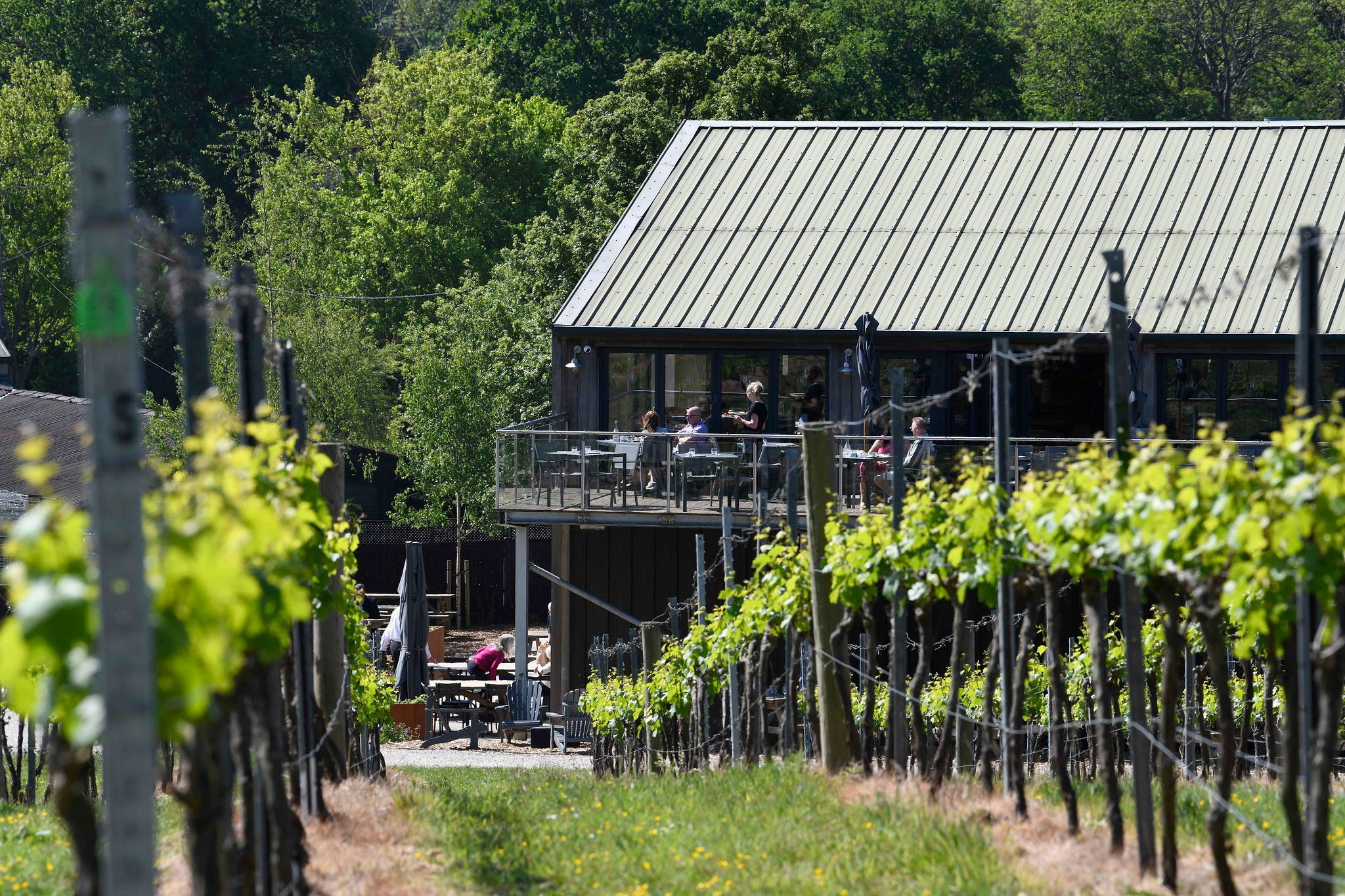
Taste English Sparkling Wine Where It Begins
Step into the rolling vineyards of Bolney Wine Estate in West Sussex near the South Downs. Walk the vineyards, visit the winery and savour a tasting of their finest fizz. It is a chance to enjoy the South Downs, learn a little about winemaking, and taste delicious, local wines. Book a tour and tasting and discover English sparkling wine for yourself.

Why Choose A Magnum? Your Guide To Magnum Wine
What’s better than one bottle of English wine? The answer may be two, but that’s not the only reason why magnums grow more popular year on year. Whether it’s as a showstopper at a dinner party or to keep for that sparkling special occasion, let us share a thing or four about why magnums are the perfect addition to your celebrations.