Account






When Does Wine Become Vintage?
Start exploring

Have you ever picked up a bottle of wine and wondered, “When does this become vintage?” It is a very common question. Wine labels can feel confusing at first, especially if you are new to wine.
Many people think wine becomes vintage after it’s been stored for a long time. Others assume “vintage” simply means “old” or “expensive”. In reality, none of that is quite right.
Let’s break it all down, nice and simply, so it’s easy to understand.
The Short Answer: When Does Wine Become Vintage?
Wine becomes a vintage at the moment the grapes are harvested. Not years later, not in your cupboard, and not in a cellar somewhere in France! If the grapes were picked in a specific year and the wine is made entirely from those grapes, that wine is a vintage wine.
For example, a wine made from grapes harvested in 2023 is a 2023 vintage, even if it was bottled and sold the following year.
The Big Misconception: Vintage Doesn’t Mean Aged
One of the biggest myths in wine is that wine becomes vintage because it’s been stored for a long time. So, here’s a simple guide about wine and vintage:
- Vintage doesn’t mean old
- Vintage doesn’t mean aged
- Vintage doesn’t mean better (or worse)
A wine can be vintage and:
- Drunk within months of being bottled
- Stored for 10+ years
- Inexpensive or premium
You can find out the vintage of a wine by looking at the bottle or asking about its harvest if tasting wine on a wine tour.
What Is Vintage Wine?
This is one of the most searched wine questions, so let’s answer it clearly.
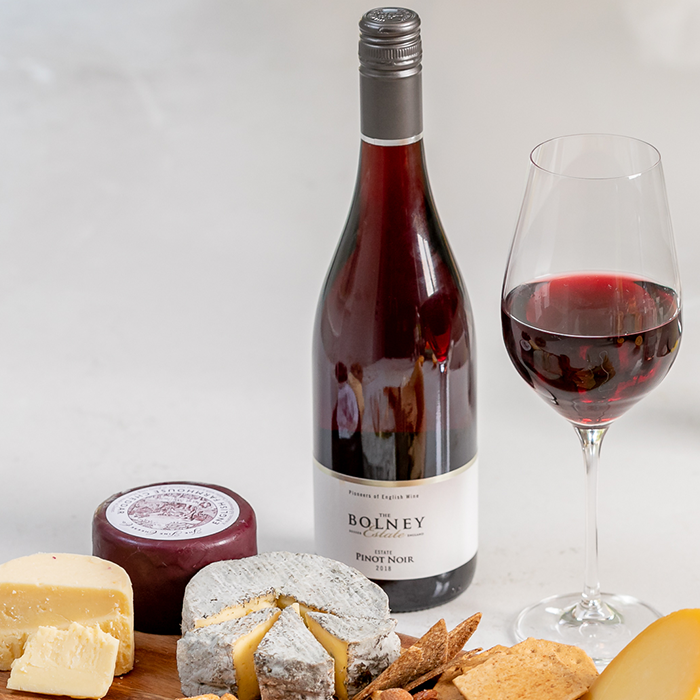
Vintage wine is wine made from grapes harvested in a single, specific year. That year is called the vintage and appears on the bottle as a four-digit number. Examples would be:
- 2022
- 2021
- 2018
What Is A Non‑Vintage Wine?
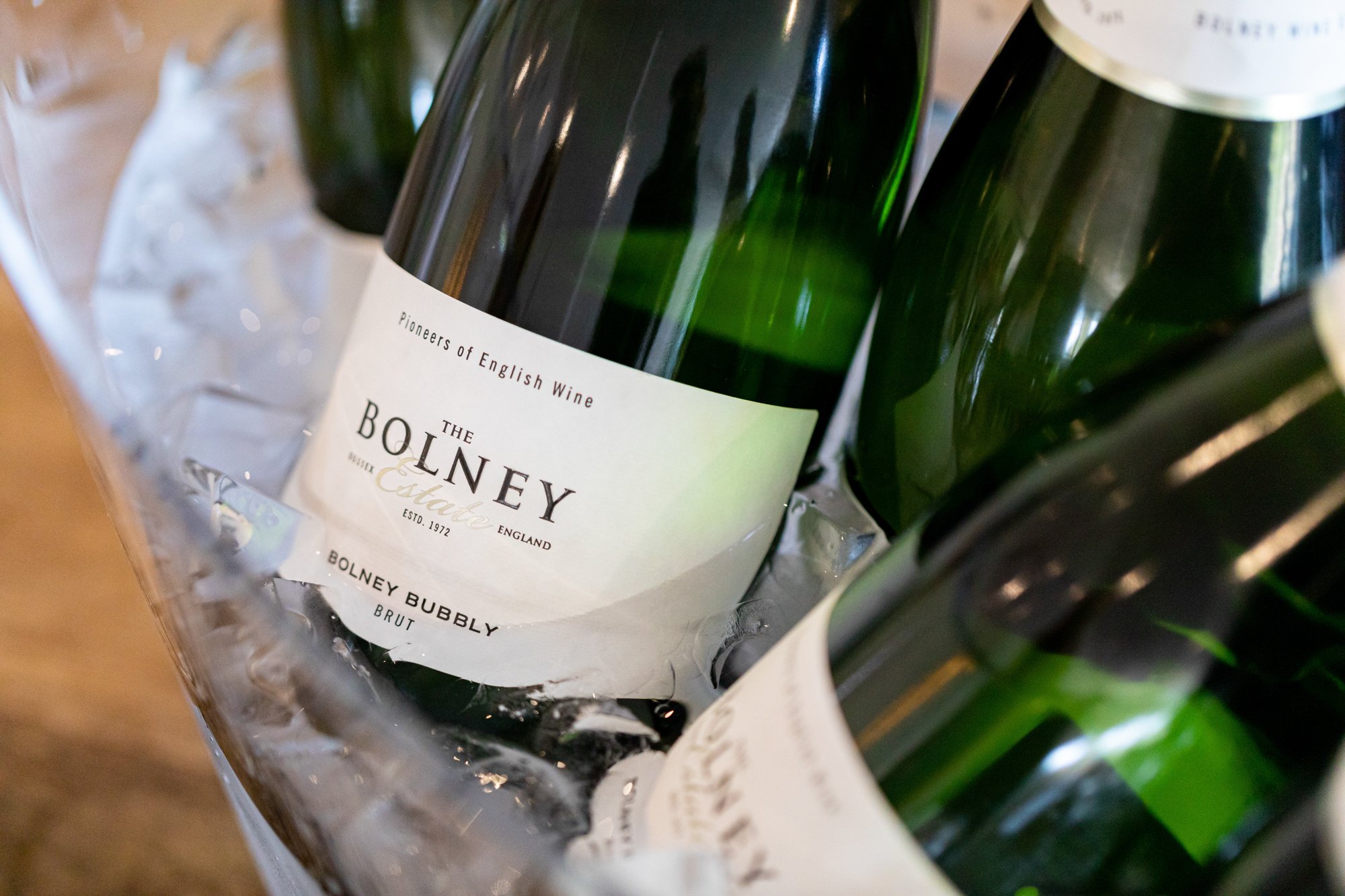
If all the grapes come from one harvest year, the wine is a vintage. If grapes from multiple years are blended together, the wine is a non‑vintage wine.
A non‑vintage wine does not show a specific harvest year on the label. Instead, producers blend wines from different years to create a consistent flavour and style from bottle to bottle. Non-vintage is especially common in sparkling wines like Champagne, where winemakers aim for a consistent house style year after year rather than expressing the character of a single harvest.
When Is Vintage Important?
Vintage is not equally important for all wines. Its significance depends on how much the weather during the growing season affects the grapes. In regions where the climate changes year to year and the seasons can be unpredictable, the year can have a big impact on the wine’s style, flavour, and quality. These are often called cool-climate wine regions, where small changes in sunshine, rainfall, or temperature can make a noticeable difference in the quality of the vineyard harvest. Examples include England, parts of northern France such as Champagne and Burgundy, Germany, and New Zealand.
In these regions, knowing the vintage can help you understand why wines from one year might taste riper, fresher, or lighter than wines from another. By contrast, in warmer or more consistent climates, like parts of California or Australia, the influence of the vintage year is usually less pronounced, and non-vintage wines are more common.
For further reading on how vintage affects wine in cooler climates, the Wine & Spirit Education Trust (WSET) explains how seasonal weather variations shape grape quality and wine style from year to year.
How Does Vintage Matter In Winemaking?
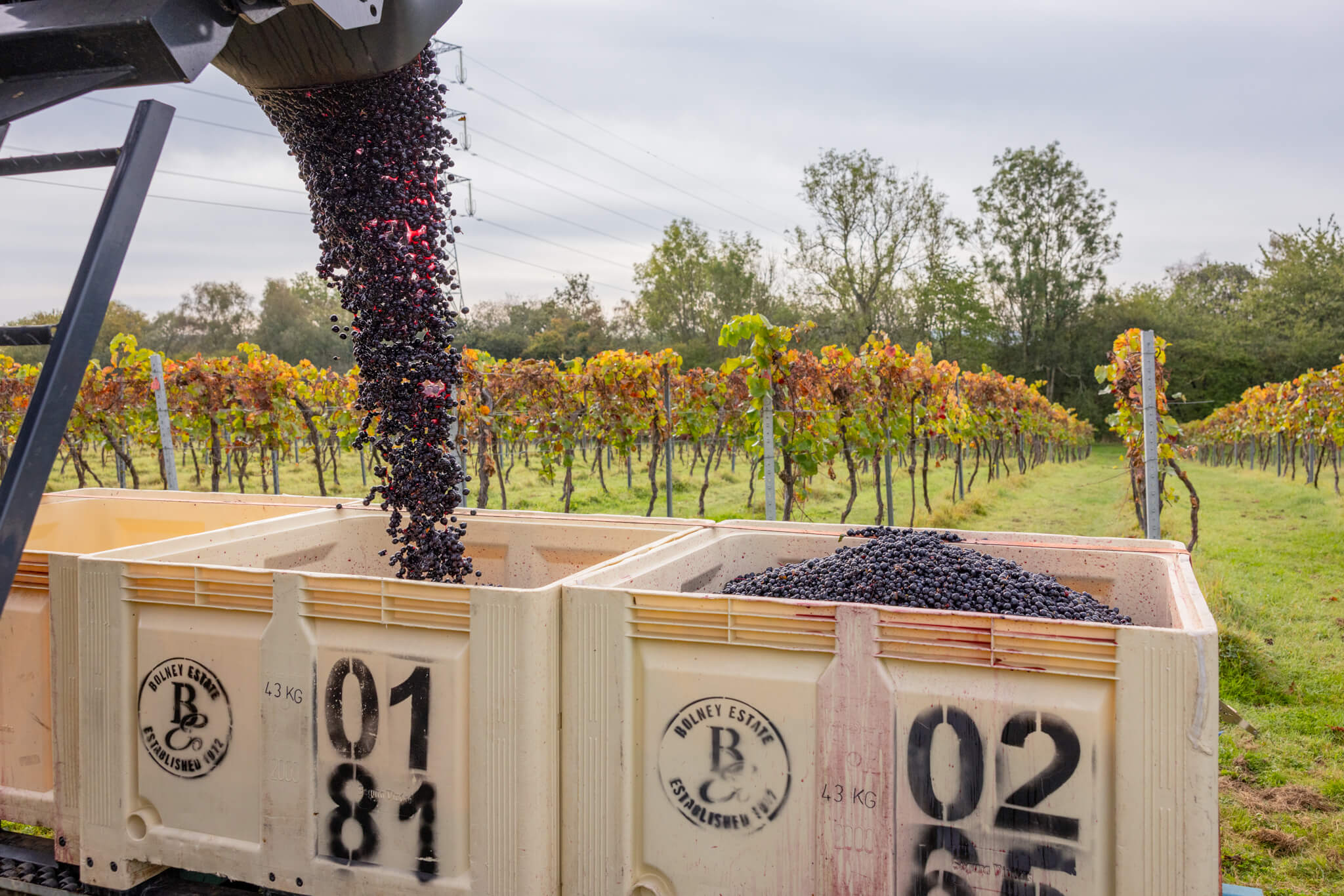
Wine is made from grapes, and grapes are grown outdoors. That means wine is deeply affected by the weather. Things like:
- Sunshine
- Rainfall
- Frost
- Heatwaves
All of these growing elements influence how grapes grow and how they taste.
The character of the vintage
- A warm, sunny year usually produces riper grapes
- A cooler or wetter year may produce fresher, lighter wines
Because of this, wines from different years can taste noticeably different. Even if wines are made by the same producer, from the same vineyard. That difference is what people mean when they talk about “the character of a vintage”.
What Are The Different Vintages?
When people say things like “It was a great vintage” or “That year was tricky”, they’re talking about how the growing season went.
- A good vintage usually means favourable weather that helped grapes ripen well
- A challenging vintage might mean lots of rain, frost, or unpredictable temperatures
Neither automatically means the wine will be good or bad, as skilled winemakers can still make excellent wine in difficult years.
Vintages are like harvest years for fruit and vegetables. British strawberries taste different each summer, and wine is no different.
What Types Of Wines Are Vintage And Non-Vintage?
Not all wines are treated the same when it comes to vintage. Some almost always show a vintage year, while others are very commonly non-vintage.
Wines that are usually vintage
- Still wines (most red, white and rosé wines)
- Single-vineyard wines
- Small-batch or limited-release wines
- Many English still wines
For these wines, the vintage helps drinkers understand how that particular growing year influenced the wine’s style and flavour.
Wines that are often non-vintage
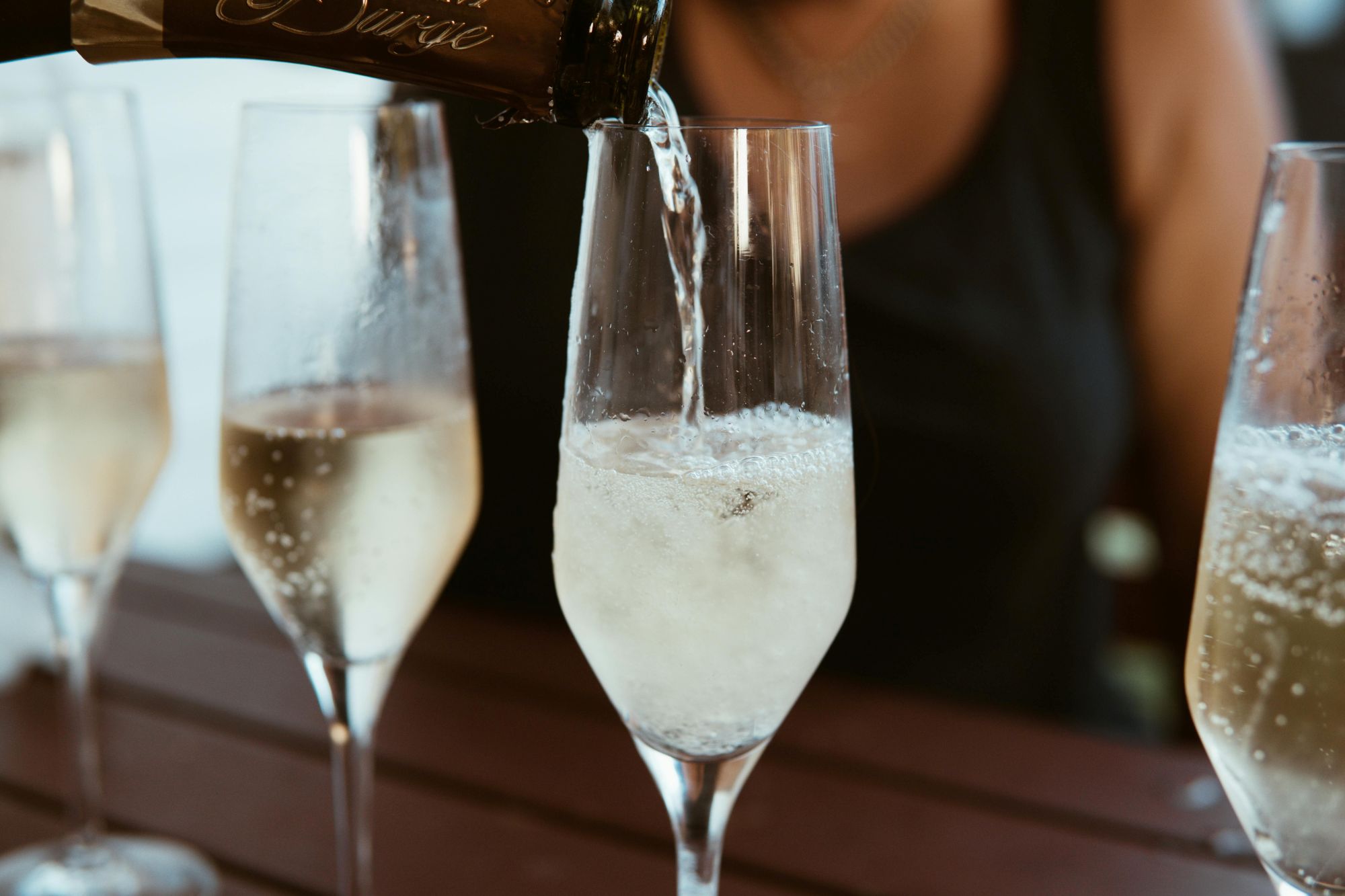
- Sparkling wines (including Champagne and English sparkling wine)
- Prosecco
- Cava
- Many large-production sparkling wines
- Wines made in a consistent ‘house style’
Prosecco is a good example to know. Most Prosecco is non-vintage, because it’s designed to taste fresh, fruity and consistent rather than reflect a single harvest year.
Non-vintage wines are blended so they taste similar year after year, regardless of how the weather behaved in any one season.
You may still find vintage-dated sparkling wines (including some Champagne and English sparkling wines), but non-vintage remains very common.
Vintage Vs Non-Vintage: What’s The Difference?
You may have noticed that some bottles have a year on them, and others don’t.
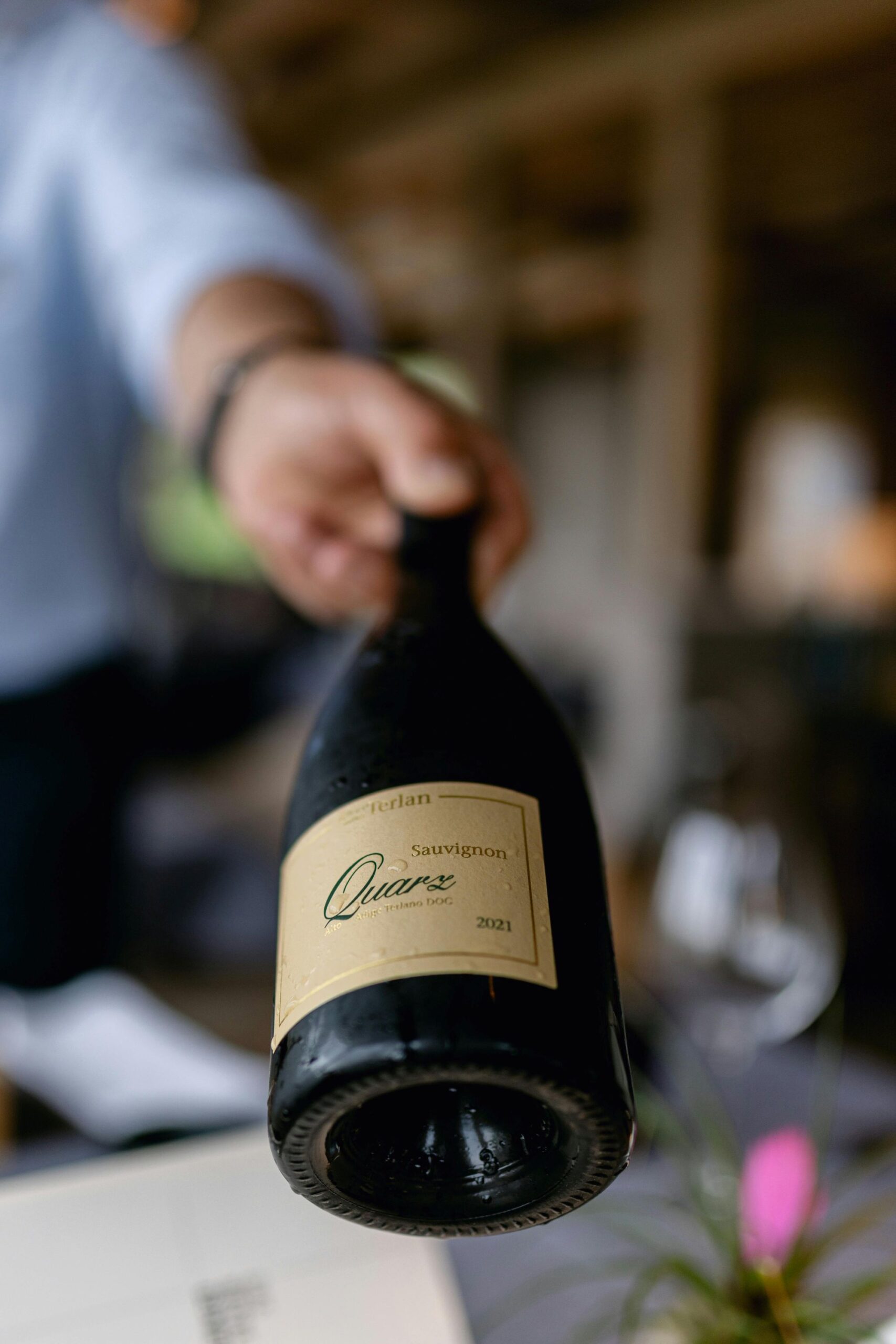
Vintage wine
- Is made from grapes harvested in a single year
- Shows that year clearly on the label
For example: 2021 English Sparkling Wine
Non-vintage wine (often written as NV)
- Is made by blending wines from multiple years
- Does not show a harvest year on the bottle
This is very common for sparkling wines, including Champagne and English sparkling wine.
Why do this? Blending different years helps winemakers create a consistent house style, so the wine tastes similar year after year.
How To Find The Vintage On A Wine Bottle
Finding the vintage is easier than it looks.
Look for:
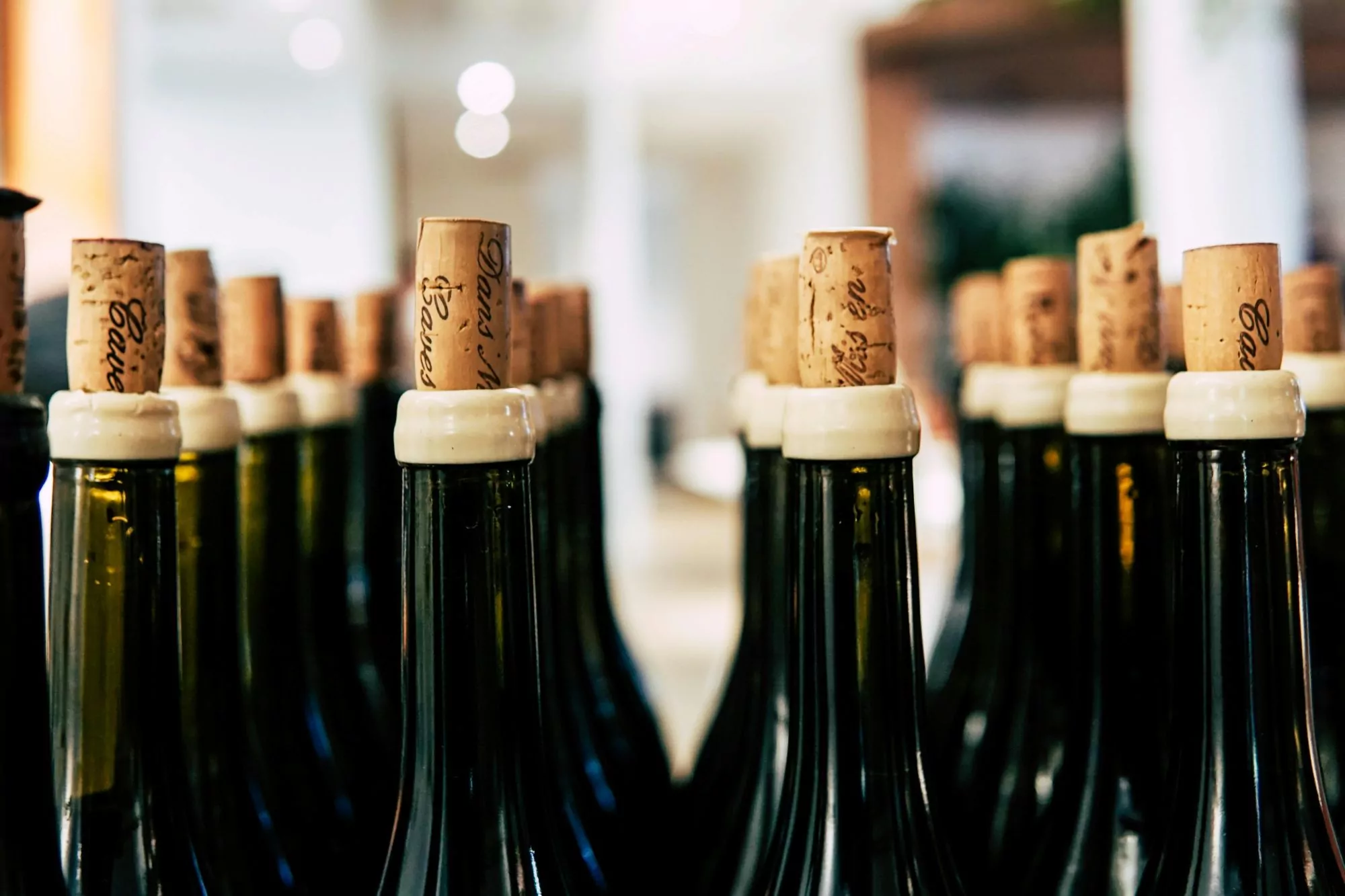
- A four-digit year (usually on the front label)
- Sometimes it’s on the back label, especially for sparkling wine
If there’s no year at all, it’s likely a non-vintage wine, and labelled as NV.
Quick tip: the vintage refers to the grapes, not the bottling date. So, don’t worry if the wine was released later.
Is Old Wine Better Than New Wine?
This is another very common question. And the honest answer is: sometimes, but often no.
There’s a widespread belief that old wine is automatically better than new wine. In reality, most wine in the world is made to be enjoyed young, not aged.
Let’s explain:
- Many wines taste best within 1–3 years of release
- Only certain wines improve with long ageing
- Drinking wine at the right time matters more than drinking it old
When Can Older Wine Be Better?
Some wines are designed to age because they have the right structure. That means they have:
- Higher acidity (which helps preserve freshness)
- More flavour concentration
- Careful winemaking that supports ageing (using the Traditional Method)
High-quality sparkling wines, including English sparkling wine, often fall into this category.
When Is New Wine Better?
Fresh, fruity styles, like many whites, rosés, and lighter reds, are usually better when they’re young. Ageing them won’t improve them and can make them taste tired or flat. So, these wines are usually meant to be drunk within a few years of purchase.
So, Which Is Best?
Old wine is not automatically better than new wine. The best wine is the one that’s being drunk at the right time. If you like how it tastes, that’s what matters!
Some wines are made to be enjoyed young and fresh. Others are designed to age.
Things that affect ageing potential include:
- Grape variety (the type of grape)
- Acidity (how fresh or crisp the wine tastes)
- Alcohol level
- How the wine was made
Many English wines, especially sparkling wines, can age beautifully, but that doesn’t mean you should wait years to enjoy them. If you like how it tastes now, you’re doing it right.
In Summary: Wine Doesn’t “Become” Vintage
- What is vintage wine? Wine made from grapes harvested in a single year
- When does wine become vintage? At harvest, not during storage
- Is old wine better than new wine? Not usually, and not automatically
- Does ageing make a wine vintage? No, ageing and vintage are completely different things
Once you understand this, wine labels feel far less intimidating, and wine itself becomes much more enjoyable.
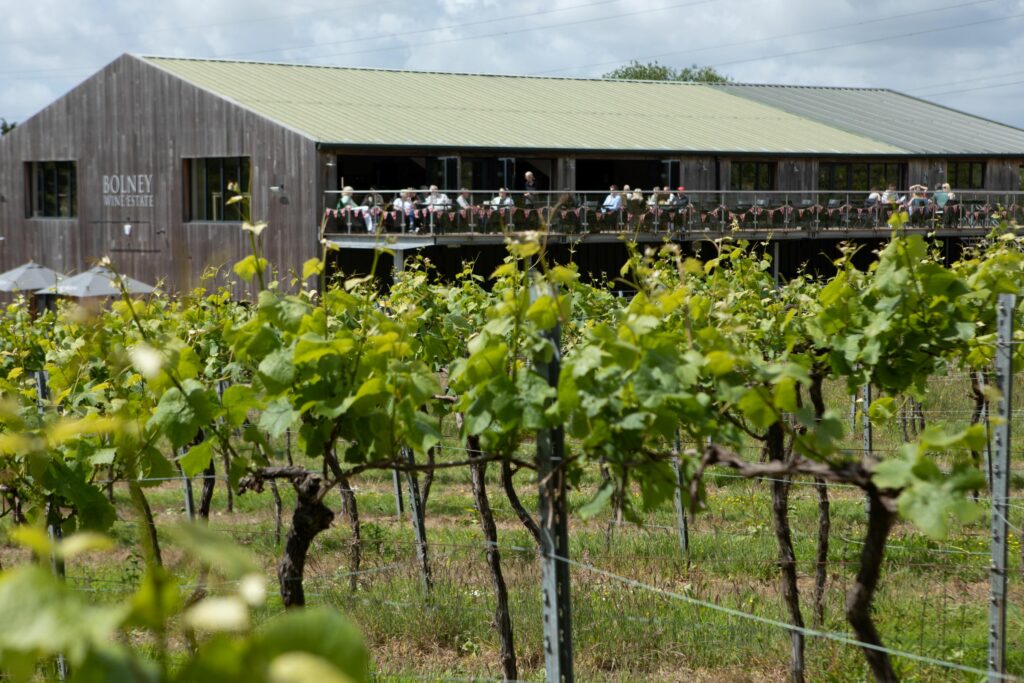
Learn About Vintages During A Vineyard Tour
Reading is a great start, but tasting and seeing it in real life is even better. Book a wine tour at Bolney Estate and discover how English vintages are made, tasted, and celebrated. Beginners to wine are welcome! We’ll help you explore English winemaking first-hand, walk through the vineyard, and learn how different vintages shape the wines in your glass.