Account






Does Sparkling Wine Pop Like Champagne?
Start exploring

Sparkling wine really does pop like Champagne when opened. That iconic “pop” comes from the sudden release of pressure created by carbonation, the bubbles that give the wine its effervescence and why sparkling wines are affectionately called bottles of “bubbly.”
If you’re planning to open a bottle for a celebration, this guide will show you how to serve it correctly, explain why sparkling wine pops, and highlight what makes English sparkling wine, like Bolney’s, so special.
What’s the Difference Between Sparkling Wine and Champagne?
It’s a common misconception that all sparkling wine is Champagne. In fact, Champagne is just one type of sparkling wine, produced under strict rules in France’s Champagne region. Only sparkling wines made from the grape varieties Chardonnay, Pinot Noir, and Pinot Meunier may be called Champagne, and must be made using the traditional method (Méthode Traditionnelle in French).
The grapes and winemaking methods are what legally qualify it as Champagne.
Sparkling wine, on the other hand, is any wine with noticeable bubbles from dissolved carbon dioxide. So, it doesn’t matter which grapes or in which region the sparkling wine was made.
And here’s the interesting part: the English were among the first to refine sparkling wine production outside France. Today, English sparkling wines stand shoulder to shoulder with Champagne in both quality and character. They’re premium, luxurious, and every bit as delicious — a world-class sparkling wine in their own right, offering the same depth, craft, and pure enjoyment.
Why Does Sparkling Wine Pop?
The pop of sparkling wine is simple science. Carbon dioxide dissolves in the wine, creating pressure inside the bottle. When you remove the cork, the pressure escapes as bubbles, producing the signature popping sound.
Inside the bottle, carbon dioxide is in equilibrium between the liquid and the gas phase above it. Popping the cork disturbs that balance, sending the gas rushing out, and creating the fizz we all love.
How Sparkling Wine is Made
Sparkling wine starts like any other wine: fermented grape juice with sugar and yeast. So, how is sparkling wine made? What sets traditional-method sparkling wines apart is a second fermentation that occurs in the bottle.
Yeast and sugar are added to the wine, which ferments slowly. The yeast cells eventually die and form deposits called lees, which help develop flavour, aroma, and texture. English sparkling wines like Bolney’s are aged on their lees for at least 1.5 years, building natural carbonation and complexity.
After ageing, bottles undergo remuage, where they are slowly turned upside down so the lees settle in the neck. The neck is then frozen, the lees removed, and the bottle corked under pressure. This meticulous process is why English sparkling wines pop just like Champagne—and have their own uniquely fresh, deliciously crisp character thanks to England’s cooler climate.

How to Open a Bottle of Sparkling Wine Safely
Opening sparkling wine is all about technique. The goal is a gentle fizz rather than a wild pop, which keeps your wine in the glass (and off the ceiling!).
- Remove the wire cage: Keep your thumb on top to prevent the cork from shooting out.
- Position the bottle: Angle it away from yourself and others, holding the base firmly.
- Twist the bottle, not the cork: Slowly twist the bottle until the cork loosens.
- Ease out the cork: Aim for a soft fizz, not an explosive pop.
Once opened, store and recork sparkling wine properly to keep the fizz for your next toast.
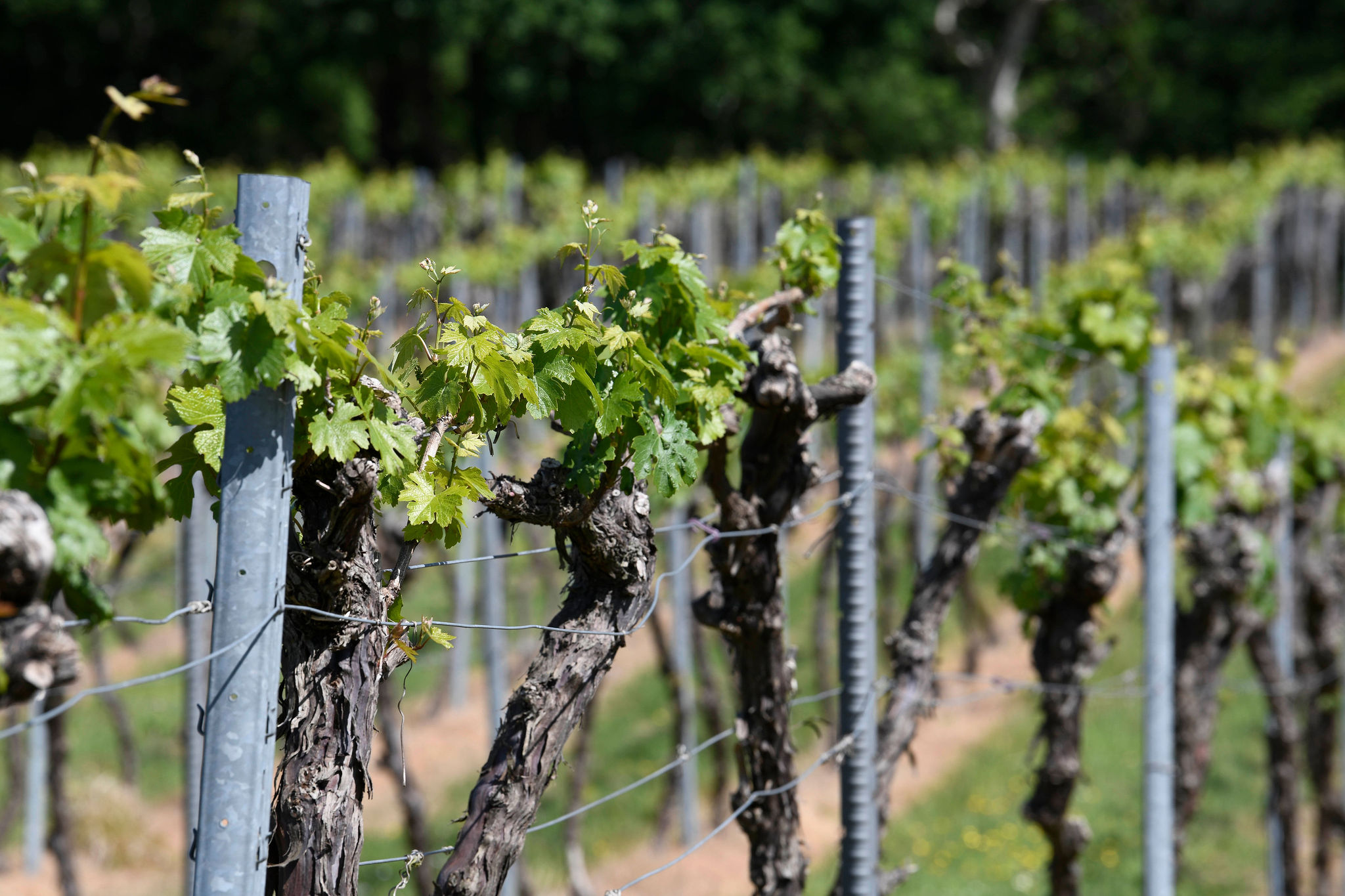
See How English Sparkling Wine Is Made
When it comes to home-grown elegance, English sparkling wine is in a league of its own. Bolney Wine Estate has been producing traditional-method sparkling wines for over 50 years. Our award-winning white, red, and rosé sparkling wines are made from grapes grown in our Sussex vineyards, capturing the unique flavours of English terroir.
Book a tour at Bolney Wine Estate to see how our sparkling wine is made, from sun-ripened grapes to glass, and witness the moment it pops just like Champagne. Taste the fizz, explore the vineyards, and discover why premium English sparkling wine is creating such a buzz.